How Expanding Pharmaceutical Manufacturing in China and India Is Fueling Unit Dose Packaging Demand in Asia Pacific.
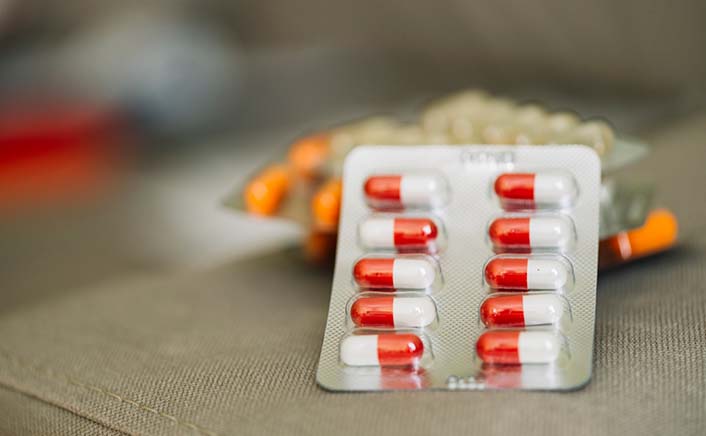
“The Asia Pacific pharmaceutical Unit Dose Packaging Market is witnessing robust growth driven by increasing demand for patient safety, medication adherence, and regulatory compliance across healthcare systems. Countries such as China, India, and Japan are leading adoption due to expanding pharmaceutical manufacturing and rising chronic disease burden. Unit dose packaging enhances accuracy, reduces contamination risks, and supports hospital and retail pharmacy efficiency. Additionally, growth in contract packaging and automation technologies is accelerating market expansion. However, higher packaging costs and varying regulatory standards across countries remain key challenges for widespread adoption in the region. "
The Asia Pacific Pharmaceutical Unit Dose Packaging market was valued at USD 8.47 Billion in 2025 and is projected to reach USD 23.02 Billion by 2033, with a compound annual growth rate (CAGR) of 19.30% from 2027 to 2033.
Furthermore, the rising focus on drug safety, coupled with greater healthcare awareness, has resulted in a higher adoption of advanced packaging technologies. Government support and reforms aimed at improving healthcare systems also contribute to this growth, along with rising disposable incomes that enhance access to healthcare products.
Additionally, sustainability trends are gaining momentum, with eco-friendly packaging materials becoming increasingly popular. This shift aligns with the goals of global pharmaceutical companies to innovate while addressing both environmental and health demands in the region.
The vast populations in countries like China and India create a high demand for pharmaceuticals, increasing the need for efficient packaging solutions.
The large population in the Asia-Pacific region, especially in countries like China and India, significantly drives the demand for pharmaceutical products. The expanding middle class and increasing urbanization in these countries are further enhancing access to healthcare. With millions of people requiring medications daily, there is a growing need for efficient and secure packaging solutions, such as unit dose packaging, to ensure accurate dosing and safe distribution. As the population continues to grow, pharmaceutical companies face the challenge of delivering medications to an ever-expanding consumer base while maintaining cost-effective and reliable packaging.
As economies in the region grow, increased healthcare spending supports the expansion of pharmaceutical packaging markets.
Economic growth in the Asia-Pacific region has resulted in increased healthcare spending, particularly in emerging markets such as China, India, and Southeast Asia. Both governments and private sectors are making substantial investments in healthcare infrastructure, which is driving up the demand for pharmaceuticals and, consequently, pharmaceutical packaging solutions. Rising incomes and urbanization have also improved healthcare access, leading to increased consumption of medications that require advanced packaging. Additionally, the growing healthcare budget supports the development of better drug delivery systems, further boosting the demand for unit dose packaging to ensure accuracy and enhance patient compliance.
Governments are implementing healthcare reforms and regulations that promote the use of advanced packaging technologies for safety and efficiency.
Governments in the Asia-Pacific region are increasingly implementing healthcare reforms aimed at improving accessibility, efficiency, and safety. Many countries have introduced regulations that incentivize the adoption of advanced pharmaceutical packaging technologies, such as tamper-evident packaging and child-resistant features. Additionally, some governments have set new guidelines for packaging to enhance drug safety and reduce medication errors, which drives demand for unit dose packaging. This regulatory environment ensures that the pharmaceutical industry embraces innovations that enhance both patient care and operational efficiency, stimulating growth in the packaging sector.
The region is adopting innovative packaging solutions such as tamper-evident features, eco-friendly materials, and automated production processes.
The Asia-Pacific region is rapidly adopting new technologies that are transforming pharmaceutical packaging solutions. Innovations such as tamper-evident packaging, eco-friendly materials, and automated production lines are becoming increasingly common as manufacturers aim to enhance product safety and sustainability. The use of advanced materials, including biodegradable plastics and recyclable packaging, aligns with global sustainability goals and appeals to both pharmaceutical companies and environmentally conscious consumers. Furthermore, automation and digitalization in packaging processes help reduce costs and improve production efficiency, making it easier to meet the growing demand for pharmaceutical products in the region.
Growing concerns over medication errors and a push for patient safety are encouraging the use of unit dose packaging to improve dosage accuracy and compliance.
Drug safety has become a significant concern in the Asia-Pacific region, particularly due to the increasing prevalence of chronic diseases and complex drug regimens. Unit dose packaging offers a solution by providing precise doses in convenient formats, which reduces the risk of medication errors and improves patient adherence. This is especially important in countries with aging populations and growing healthcare needs, where effectively managing chronic conditions with the right medication is vital. Furthermore, the emphasis on enhanced drug safety aligns with global trends toward stronger patient protection systems, prompting both manufacturers and governments to invest in packaging solutions that ensure accuracy, safety, and compliance with regulations.
Competitive Landscape
Some of the major companies operating within the Pharmaceutical Unit Dose Packaging market are: Gerresheimer AG, West Pharmaceuticals Services, Inc., Amcor Plc, Stevanato Group S.p.a., Klockner Pentaplast Group, Nipro Corporation, Catalent Inc., Becton, Dickinson and Company, Innovative Pharmacy Packaging Corporation Inc., Alfipa, FlexiPack ak and Others.