From Waste to Value: A Deep Dive into Processed Product Segmentation in the PET Bottle Recycling Industry
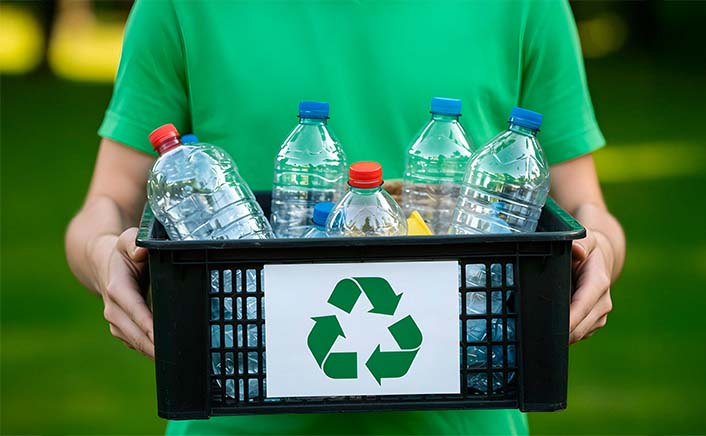
The distribution of processed product types within the PET bottle Recycling Industry illustrates the evolving maturity of recycling technologies, the demand for downstream applications, and regulatory pressures that promote circular material usage. Among these processed outputs, flakes dominate the market with approximately 45% share, largely because they represent the first standardized product resulting from mechanical recycling processes. Following the collection, sorting, washing, and shredding of post-consumer PET bottles, flakes emerge as a versatile intermediate raw material, suitable for conversion into pellets, fibers, sheets, or molded products. Their prevalence is closely tied to lower processing costs and broad compatibility across various industries. Many recyclers opt to sell flakes directly to downstream processors, minimizing capital investments linked to advanced pelletizing or depolymerization systems. Moreover, flakes are extensively utilized in textile fiber production, thermoformed sheets, and non-food packaging applications, ensuring a steady global demand. Developing regions tend to focus on flake production due to relatively simpler technological requirements compared to food-grade recycling systems.
In contrast, pellets or granules account for about 35% of the processed product share, showcasing a transition within the recycling sector towards higher-value applications. The production of pellets involves additional processing steps such as extrusion, filtration, and decontamination, which enhance material purity and enable compliance with strict food-contact regulations. The growth of recycled PET pellets is significantly influenced by increasing bottle-to-bottle recycling initiatives, particularly in Europe and North America, where governments enforce recycled content in beverage packaging. Brand owners are increasingly investing in closed-loop recycling systems to lessen their dependence on virgin resin and fulfill sustainability goals. Pellets are appealing to packaging converters due to their uniform material quality, superior mechanical performance, and seamless integration into existing manufacturing lines. Recent technological advancements, including solid-state polymerization (SSP) and improved chemical recycling processes, further support the adoption of pellets by enhancing intrinsic viscosity and allowing for food-grade certification. As regulatory frameworks tighten and consumer demand for sustainable packaging rises, the share of pellets within the processing mix is anticipated to increase gradually.
Fibers and filaments, representing approximately 20% of the processed output, constitute a stable and historically significant segment, largely driven by the textile industry's embrace of recycled polyester. Recycled PET fibers find extensive use in apparel, carpets, automotive textiles, insulation materials, and industrial applications. The textile sector has long been a key outlet for recycled PET, as fiber production can accommodate slightly lower purity levels compared to food-grade packaging. Global fashion brands are increasingly promoting garments made from recycled plastic bottles, bolstering long-term demand for recycled PET fibers. However, the proportion of direct filament production remains smaller than that of flakes, as many fiber manufacturers prefer to source flakes as feedstock and conduct fiber conversion in-house. Despite this structural nuance, the fiber segment continues to grow, fueled by sustainability initiatives within fast fashion, sportswear, and home furnishing sectors.
The interplay among flakes, pellets, and fibers underscores the broader transformation occurring within the recycling value chain. Traditionally, PET recycling emphasized downcycling into textiles, but market evolution now leans towards higher-value circular applications, such as bottle-to-bottle recycling. This shift is driving up investment in advanced processing technologies capable of producing high-purity pellets suitable for direct food-contact applications. At the same time, flakes remain vital due to their flexibility and cost-effectiveness, ensuring they will continue to lead overall output volumes in the foreseeable future. Regional variations also play a role in product distribution, with the Asia-Pacific region focusing on flakes and fiber applications, whereas Europe and North America emphasize pellet production to meet regulatory recycling targets.
Overall, the segmentation of processed products indicates a transition within the recycling industry, moving from volume-driven waste management towards value-driven material recovery. Increasing regulatory demands, corporate sustainability objectives, and technological advancements are reshaping processing priorities, encouraging recyclers to ascend the value chain while maintaining a diverse output. As recycling infrastructure expands globally and the demand for recycled content grows across packaging and textiles, the relative shares of pellets and high-quality recycled materials are expected to rise, signaling a gradual evolution towards a more circular economy.