How Furniture Retail Chains Are Expanding Access to Certified Organic Mattresses in the U.S.
The sales channel distribution of the U.S. organic Mattress Market reveals important insights into consumer purchasing behavior and market dynamics that are influencing the growth of this niche but rapidly expanding segment. Market estimates indicate that online retail and direct-to-consumer (DTC) channels comprise approximately 45% of the market share, making them the largest and most influential sales channels for organic mattresses. This dominance reflects broader industry trends, as consumers increasingly favor the convenience, transparency, and flexibility provided by online platforms.
DTC brands such as Avocado Green Brands, Naturepedic, and PlushBeds have successfully utilized e-commerce to reach health-conscious and environmentally aware consumers directly, eliminating the need for traditional retail intermediaries. Online channels enable manufacturers to present detailed product information, including material composition, certifications, and sustainability credentials, which are essential for consumers investing in premium organic mattresses. Furthermore, these platforms often feature trial periods ranging from 90 to 365 nights, complimentary shipping, and hassle-free return policies, all of which alleviate consumer hesitations and promote the purchase of high-ticket items like organic mattresses. The ease of comparing multiple brands, reading verified customer reviews, and accessing financing options further enhances the attractiveness of online and DTC channels, solidifying their role as a key driver of market growth in the United States.
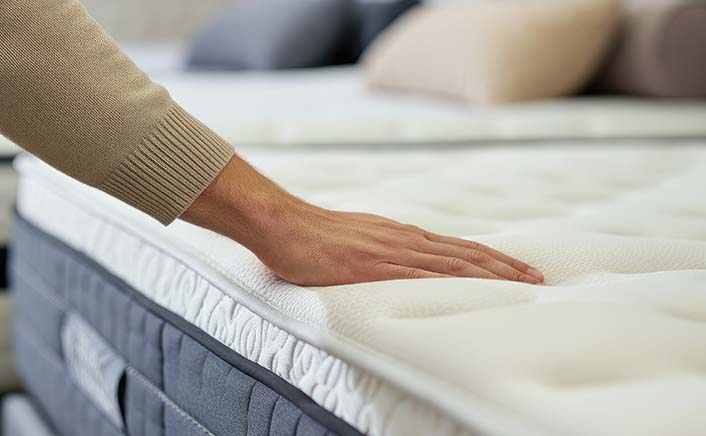
The second-largest channel, specialty mattress stores, captures about 25% of the market, underlining the importance of in-person shopping experiences in the organic mattress segment. Despite the rise of online channels, many consumers still prefer visiting physical stores to test mattress firmness and receive personalized advice from sales associates. Specialty stores typically offer a curated selection of organic and eco-friendly mattresses and often highlight certifications such as GOTS (Global Organic Textile Standard), GOLS (Global Organic Latex Standard), and OEKO-TEX, which assure consumers of product authenticity and safety. These stores are also vital in educating customers about the advantages of natural materials like organic latex, cotton, and wool, helping to justify the higher price points associated with organic mattresses. For many buyers, the combination of a tactile experience, expert guidance, and the trust associated with a physical retail environment complements online shopping, particularly for older demographics who may be less comfortable purchasing high-value items exclusively online.
Furniture retail stores account for around 15% of the U.S. organic mattress market share, acting as an intermediary channel that combines bedding and broader home furnishing needs. Retailers such as Macy’s, Bed Bath & Beyond, and regional furniture chains typically carry selected organic mattress models, catering to consumers buying new bedroom furniture or looking for bundled deals. While these stores provide physical touchpoints for testing products, their limited specialization in organic or eco-friendly mattresses may restrict the range of certified options compared to specialty stores, which can affect consumer choice. Nonetheless, furniture retail remains relevant for customers who prefer the convenience of buying multiple home goods in a single transaction.
Hypermarkets and supermarkets contribute approximately 10% of the market, generally offering value-oriented organic mattress models to budget-conscious consumers. This channel is gradually expanding, as major chains begin to recognize the increasing demand for sustainable, chemical-free products. Hypermarkets can leverage high foot traffic and loyalty programs to attract first-time buyers and raise awareness about organic mattresses. However, the offerings in hypermarkets are often limited in size, mattress types, and certification visibility, primarily appealing to mainstream consumers seeking a basic organic option without extensive customization.
The remaining 5% of sales is categorized as “Others,” which includes small regional retailers, boutique eco-friendly stores, and direct wholesale partnerships with hotels, wellness centers, and healthcare facilities. While this segment holds a smaller market share, it is significant for niche adoption, targeting consumers who prioritize local or artisanal products, sustainability, and high-end customization. These smaller channels often serve as experimental markets for innovative materials such as bamboo fibers, coconut coir, and hemp, contributing to overall product diversity and industry innovation.
In summary, the channel distribution of the U.S. organic mattress market illustrates a balanced interplay between modern e-commerce strategies and traditional retail experiences. The dominance of online and direct-to-consumer channels underscores the critical importance of convenience, transparency, and brand education in driving the adoption of premium, higher-priced organic mattresses.