Clean-Label Revolution: U.S. Natural Food Colors Market Analysis by Application and Chemical Composition 2024–2033
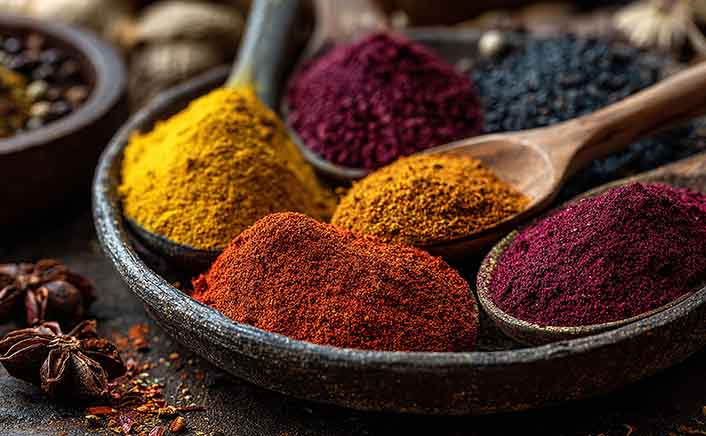
The U.S. Natural Food Colors Market is currently experiencing significant growth across various application segments, driven by changing consumer preferences, regulatory demands, and innovations in clean-label and plant-based formulations. Among these segments, beverages emerge as the largest, representing approximately 28–30% of the market. This reflects the importance of color in beverages, as it enhances visibility and sensory appeal. A growing number of soft drinks, fruit juices, energy drinks, and functional beverages are incorporating natural pigments like carotenoids, anthocyanins, and betalains. This shift not only caters to aesthetic preferences but also aligns with the increasing consumer focus on health and wellness. Furthermore, beverage manufacturers are utilizing packaging and marketing strategies that emphasize clean-label attributes, thereby boosting the demand for natural colorants.
Following beverages, the bakery and confectionery sector accounts for 20–22% of the market, showcasing another significant area where natural colors are extensively used. Products such as cakes, pastries, chocolates, candies, and cookies require a variety of colors to meet consumer expectations. This segment is seeing substantial growth as manufacturers reformulate traditional items to replace synthetic colorants, which have come under scrutiny for potential health risks. Commonly used natural colors in bakery products include anthocyanins, carotenoids, and curcumin for stable reds, oranges, yellows, and purples, while natural caramel and betalains are used for browns and deep reds. Technological advancements such as microencapsulation have also played a role in improving heat stability and shelf life during baking and confectionery processing.
In the dairy sector, which represents 12–14% of the market, products like yogurts, ice creams, flavored milk, and various dairy beverages utilize natural colorants to enhance visual appeal and signal flavor to consumers. For instance, carotenoids provide yellow to orange hues in butter and cheese, while anthocyanins are employed for red, purple, or blue shades in yogurts and ice creams. The dairy segment is increasingly influenced by consumer trends favoring organic and non-GMO products, making stable natural colorants essential to product formulations. Functional dairy products that incorporate antioxidants or other health-promoting compounds also benefit from pigments that enhance both visual appeal and nutritional messaging, driving further demand for specialized natural colors.
Processed and packaged foods, which include ready-to-eat meals, sauces, dressings, snacks, and canned goods, make up approximately 15–17% of the market. Within this category, natural colorants are being sought after to enhance visual appeal while meeting clean-label and regulatory standards. Carotenoids, anthocyanins, and caramel are commonly used, with curcumin added for yellow hues in sauces and ready meals. The expansion of this segment is fueled by the rising consumer demand for convenient, nutritious, and visually appealing food options that align with health-conscious and environmentally aware lifestyles. Manufacturers are also investing in research and development to ensure color stability across a range of processed foods, which often undergo high-temperature processing and require long shelf-life storage.
Meat and seafood products account for 6–8% of market share, benefiting from regulatory measures such as the FDA’s phase-out of synthetic dyes like Orange B, historically used in sausages and frankfurters. As a result, manufacturers are increasingly turning to natural pigments such as carotenoids, beet-derived betalains, and annatto to maintain product appearance while adhering to compliance standards. The demand for stable, heat-resistant colors that meet consumer acceptability in processed meats has created a niche market for high-performance natural colorants. Similarly, the nutraceuticals sector makes up 5–6% of the market, driven by the growing interest in functional foods and dietary supplements. Natural pigments used in vitamins, protein powders, and health-focused beverages not only provide color but also contribute bioactive properties, such as antioxidant activity that supports health claims.
Finally, the remaining 4–5% of the market encompasses various other applications, including specialty sauces, pet foods, dressings, and emerging segments utilizing novel natural pigments like spirulina-derived phycocyanin and turmeric-based curcumin blends. These niche areas are rapidly growing as consumer awareness and demand for innovative, sustainable, and functional food products continue to rise. Overall, the U.S. natural food colors market demonstrates a strategic balance between high-volume segments and emerging opportunities, reflecting the evolving landscape of consumer preferences and regulatory environments.