Middle East Gas Turbine Market Strengthens as Energy Transition and Mega Power Projects Drive Long-Term Demand
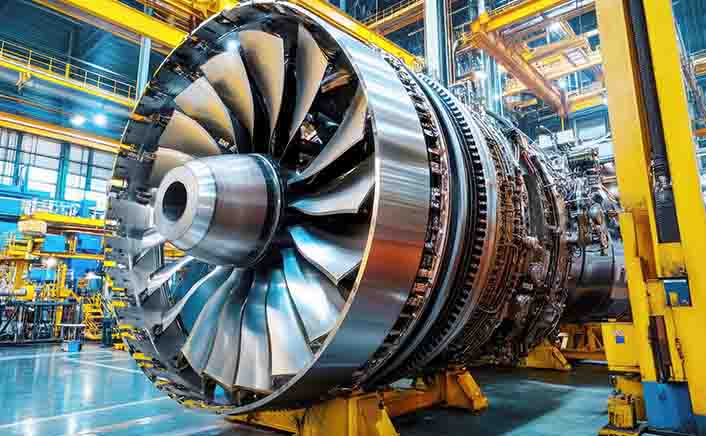
The Middle East Gas Turbine Market is entering a phase of steady, policy-driven expansion, driven by large-scale power infrastructure projects and a structural shift toward natural-gas-based electricity generation. The market was valued at USD 3.4 billion in 2025 and is projected to reach USD 5.4 billion by 2033, reflecting a CAGR of 6.0%. This growth trajectory is underpinned not by fragmented demand, but by high-value, multi-gigawatt projects that continue to define the region’s power generation landscape.
Gas turbines play a central role in the Middle East’s energy ecosystem, serving as the backbone of thermal power generation while enabling the integration of renewable energy. Unlike regions where decentralized energy systems are gaining traction, the Middle East relies heavily on centralized, high-capacity plants, where combined-cycle gas turbines (CCGT) deliver both efficiency and reliability. Modern CCGT systems achieve efficiency levels of over 60%, making them significantly more cost-effective than legacy oil-fired generation.
Fuel Transition Reshaping Market Economics
One of the most critical factors driving demand is the ongoing transition from oil-based to gas-based power generation, particularly in Saudi Arabia. Historically, the country has used substantial volumes of crude oil for electricity generation, but policy shifts are prioritizing natural gas to optimize export revenues and reduce domestic fuel costs. This transition is not only improving power generation efficiency but also creating sustained demand for high-capacity gas turbines.
At the same time, countries such as the United Arab Emirates are expanding solar energy capacity at an accelerated pace. While renewable energy is becoming a key component of the energy mix, its intermittent nature requires dependable backup systems. Gas turbines provide the flexibility needed to stabilize grids, ensuring an uninterrupted power supply during peak demand and periods of low renewable output.
Mega Projects and LNG Expansion Driving Demand
The market’s growth is closely tied to large-scale infrastructure projects across the region. In Saudi Arabia, giga projects and industrial zones are driving the development of combined-cycle power plants, many of which exceed 1 GW in capacity. Similarly, the UAE continues to invest in advanced power generation facilities through independent power producer (IPP) models, ensuring a steady pipeline of gas turbine installations.
In Qatar, the expansion of LNG production capacity—from 77 million tonnes per annum to 126 million tonnes per annum—is creating additional demand for gas turbines in processing and compression applications. These industrial applications complement power generation demand, reinforcing the market’s resilience and diversification.
Cost Efficiency and Lifecycle Economics Favor Gas Turbines
Economic considerations remain central to turbine adoption. While capital costs for gas turbines range between USD 700 and USD 1,200 per kW, their high efficiency significantly reduces fuel consumption, leading to lower operating costs over time. In markets where fuel expenses account for a substantial portion of total generation costs, this efficiency advantage becomes a decisive factor.
Additionally, long-term service agreements (LTSAs) are emerging as a key component of the market, ensuring operational reliability and creating recurring revenue streams for manufacturers. These agreements often represent a significant share of the total lifecycle value of gas turbines, highlighting the importance of service-based business models in the region.
Competitive Landscape and Strategic Positioning
The Middle East gas turbine market remains highly consolidated, with global leaders such as GE Vernova, Siemens Energy, and Mitsubishi Power dominating through advanced technology offerings and strong regional project execution capabilities. These companies are increasingly focusing on hydrogen-compatible turbines and digital monitoring solutions to align with evolving energy strategies.
Outlook: Stable Growth with Strategic Importance
Looking ahead, the Middle East gas turbine market is expected to maintain steady growth, supported by energy transition policies, industrial expansion, and ongoing investments in power infrastructure. While renewable energy will continue to expand, gas turbines will remain indispensable for ensuring grid stability and meeting peak demand requirements.
As governments balance sustainability goals with energy security, gas turbines are positioned as a critical bridge technology, enabling a smoother transition toward low-carbon energy systems while supporting economic growth across the region.