Liquid vs Solid Caustic Soda in the U.S. Market Share Trends, Demand Drivers and Industry Insights
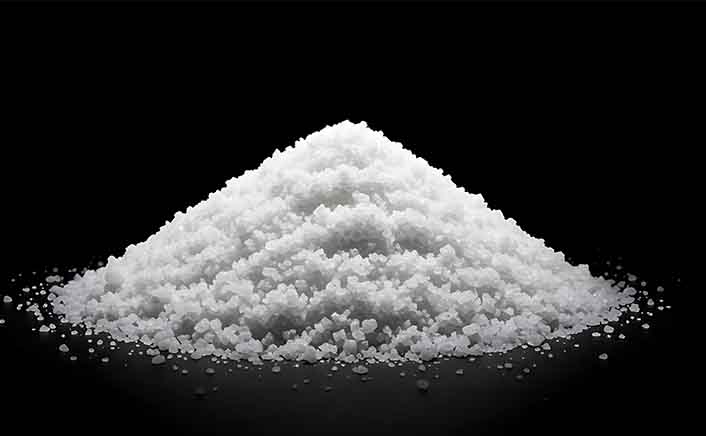
The U.S. Caustic Soda Market is primarily segmented by form into liquid caustic soda and solid caustic soda, which includes flakes, prills, and granules. Liquid caustic soda dominates the market, accounting for approximately 72 percent of the total share, while solid forms contribute the remaining 28 percent. The preference for liquid caustic soda stems from its direct usability, cost efficiency in bulk handling, and ease of integration into large-scale industrial processes. Typically supplied in concentrations ranging from 25 percent to 50 percent sodium hydroxide solution, it is particularly well-suited for continuous operations in industries such as alumina refining, pulp and paper, water treatment, and chemicals manufacturing. Its compatibility with pipeline transportation and storage in tank systems further enhances its appeal by reducing handling time and minimizing conversion costs associated with solid caustic soda.
On the other hand, solid caustic soda in its various forms serves niche applications where factors such as transportation, storage stability, and handling convenience are of paramount importance. Solid caustic soda is often produced by evaporating liquid sodium hydroxide and is preferred in regions or industries without extensive bulk liquid infrastructure. Its solid forms are more convenient to package, store for extended periods, and transport over long distances without the need for specialized insulated containers. Consequently, solid caustic soda sees demand from smaller manufacturers, export-oriented transactions, and industries requiring intermittent usage rather than a continuous supply of feedstock.
The dominance of liquid caustic soda in the U.S. market is closely linked to the advanced industrial infrastructure supporting large-scale chemical processing facilities equipped with integrated pipelines and storage tanks. Major end-use industries, such as alumina processing—which alone accounts for about 20 percent of total consumption—rely heavily on liquid caustic soda for the Bayer process. Likewise, pulp and paper operations, contributing roughly 18 percent of demand, utilize this form in pulping and bleaching processes that require consistent and high-volume chemical input. The chemical manufacturing sector, representing nearly 17 percent of the market share, also values liquid caustic soda for its ease of mixing and reaction efficiency in continuous production systems.
From a logistics and supply chain standpoint, the transportation of liquid caustic soda benefits from economies of scale, especially when moved via railcars, tank trucks, or pipelines directly from chlor-alkali production facilities. This transportation method reduces per-unit handling costs and supports long-term contracts between producers and large industrial consumers. The U.S. boasts a well-developed chlor-alkali industry with significant integrated capacity, estimated at over 25 million tons annually, ensuring steady production and supply of liquid caustic soda to domestic markets. However, the co-product nature of chlorine and caustic soda production means that output levels are influenced by chlorine demand, which indirectly affects the availability of liquid caustic soda.
Despite holding a smaller market share, solid caustic soda plays a crucial role in specific applications and geographic areas within the U.S. market. It is commonly utilized in water treatment plants for pH adjustment in smaller municipalities, in food processing for cleaning and sanitation, and in the textile industry for mercerization processes. Moreover, solid forms are favored in export markets where logistical constraints render liquid transportation less feasible. The flexibility of solid caustic soda in terms of packaging options such as bags, drums, and containers makes it suitable for decentralized consumption patterns.
Pricing dynamics also play a significant role in form preference. Liquid caustic soda is typically priced lower on a per-ton basis due to reduced processing and packaging requirements, while solid caustic soda commands a premium due to additional costs associated with processing, evaporation, and handling. However, the decision between liquid and solid forms is not driven solely by price; it also depends on operational needs, infrastructure availability, and transportation considerations.
Looking ahead, the U.S. caustic soda market is expected to maintain a strong preference for liquid caustic soda as industrial automation, large-scale production facilities, and integrated supply chains continue to expand. Nonetheless, solid caustic soda will remain an important complementary segment, particularly in specialized applications and regions with limited access to bulk liquid logistics. Overall, the segmentation of caustic soda reflects a balance between efficiency, convenience, and application-specific requirements, ensuring that both liquid and solid forms maintain their relevance within the broader market landscape.