Japan’s strong earthquake-preparedness culture, strict building safety regulations, and ongoing innovation in structural engineering are reinforcing the country’s position as one of the world’s most advanced markets for seismic-resistant construction materials.
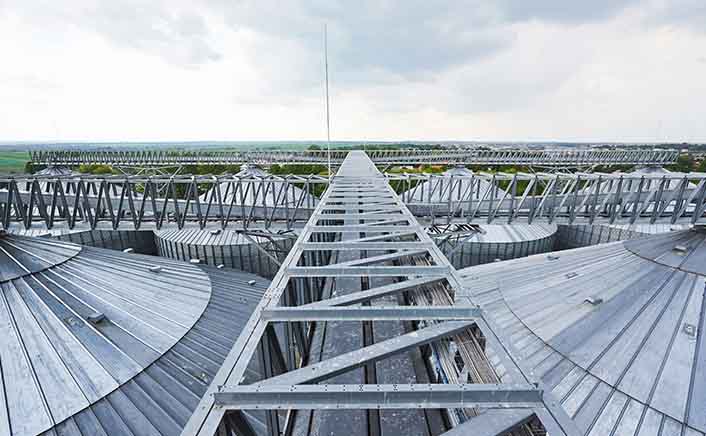
Japan continues to strengthen its construction resilience by integrating advanced earthquake-resistant materials and engineering technologies. The Japan Seismic-Resistant Construction Materials Market reached USD 4.3 billion in 2025 and is projected to grow to USD 7.1 billion by 2033, registering a CAGR of 6.1% from 2026 to 2033. Market expansion is supported by ongoing retrofit programs for aging buildings, urban district redevelopment, and the adoption of innovative materials designed to improve structural flexibility and energy dissipation during earthquakes.
Japan’s modern earthquake-resistant construction practices are rooted in decades of regulatory development and engineering innovation. The country significantly strengthened its Building Standard Law in 1981, introducing modern seismic design requirements that require buildings to withstand strong ground motion without structural collapse. These regulations encourage the widespread use of reinforced concrete, structural steel, and specialized reinforcement materials that can absorb seismic energy. As a result, the majority of new buildings constructed in Japan incorporate structural designs that prioritize flexibility and shock absorption, ensuring higher levels of safety during earthquakes.
Urban redevelopment across major cities is further increasing demand for advanced seismic construction materials. Tokyo, Osaka, and Nagoya continue to replace aging structures with high-rise buildings designed under modern seismic engineering principles. These projects require high-strength structural steel frames, reinforced concrete systems, and specialized damping materials that allow buildings to sway safely during seismic events. The replacement of older structures built before modern building standards is creating a long-term demand pipeline for seismic-resistant construction materials across Japan’s urban real estate sector.
Infrastructure resilience is also becoming a central focus for public investment. Transportation networks, bridges, tunnels, and public facilities must remain operational during earthquakes, necessitating advanced reinforcement technologies and energy-dissipating materials. Engineers increasingly deploy base isolation systems and structural dampers that reduce the transfer of ground motion to buildings and infrastructure assets. These technologies act as shock absorbers within structures, helping to minimize structural damage and maintain operational stability during seismic activity.
Innovation in materials science is further strengthening Japan’s leadership in earthquake-resistant construction technologies. Researchers have recently developed specialized coatings that protect masonry structures from earthquake damage by improving elasticity and preventing cracking under seismic stress. These coatings allow walls to stretch during earthquakes and return to their original shape afterward, reducing structural damage and extending building lifespan. Such innovations demonstrate how advanced materials are becoming increasingly integrated into modern seismic engineering solutions.
Japan’s expertise in earthquake-resistant construction has also attracted international attention. Countries across Asia and other earthquake-prone regions are studying Japanese building technologies to strengthen their own construction standards. Engineering techniques such as base isolation systems, flexible structural frames, and damping technologies are increasingly recognized as global best practices for improving building resilience in seismic zones.
Commercial and residential developers are also recognizing the value of incorporating seismic-resistant materials into building projects. Properties constructed with advanced earthquake-resistant technologies tend to maintain stronger real estate value due to improved structural safety and reduced repair risks following seismic events. This growing awareness among property developers and investors is encouraging greater adoption of high-performance construction materials even in projects where regulatory requirements may be less stringent.
Competitive Landscape
The Japanese seismic-resistant construction materials market is supported by a strong ecosystem of domestic manufacturers, engineering companies, and large construction conglomerates specializing in resilient infrastructure development. Nippon Steel Corporation plays a major role in supplying high-strength structural steel widely used in earthquake-resistant buildings and infrastructure projects. Taiheiyo Cement Corporation provides advanced cement formulations used in reinforced concrete structures designed to withstand seismic stress.
Major construction firms such as Kajima Corporation, Shimizu Corporation, Obayashi Corporation, Takenaka Corporation, and Fujita Corporation integrate seismic engineering technologies into large commercial developments and infrastructure projects across Japan. Yokogawa Bridge Holdings Corp. specializes in structural engineering solutions for bridges and transportation infrastructure that must remain operational during earthquakes. Bridgestone Corporation contributes to the market through its seismic isolation bearing technologies used in base isolation systems installed in critical buildings and infrastructure facilities. Sumitomo Metal Mining Co., Ltd. also supplies advanced materials for structural reinforcement and engineering applications.
Japan’s continued focus on resilient infrastructure, combined with ongoing advancements in seismic engineering and materials science, will sustain demand for high-performance construction materials across the country. As urban redevelopment progresses and infrastructure modernization projects expand, seismic-resistant materials will remain a critical component of Japan’s strategy to enhance disaster preparedness and ensure the long-term safety of its built environment.