Japan’s accelerating energy transition, rising renewable electricity generation, and growing need for grid flexibility are strengthening the country’s position as a strategic market for battery energy storage systems (BESS) in Asia’s evolving power infrastructure.
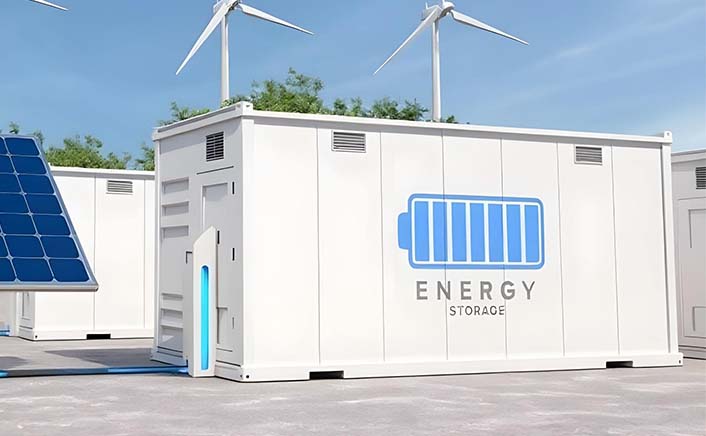
Japan continues to expand its energy storage capacity as utilities, renewable developers, and infrastructure investors increase deployment of battery systems across the country’s power grid. The Japan Battery Energy Storage Systems (BESS) Market reached USD 1.80 billion in 2025 and is projected to grow to USD 4.86 billion by 2033, registering a CAGR of 13.2% from 2026 to 2033. Market growth is supported by expanding renewable energy capacity, regulatory reforms allowing batteries to participate in multiple electricity markets, and increasing investments in grid modernization technologies designed to enhance power system reliability.
Japan’s transition toward a more diversified energy mix is creating strong demand for large-scale energy storage infrastructure. The country has significantly expanded solar generation over the past decade, leading to periods of electricity oversupply and renewable curtailment in regions with high solar penetration. Battery energy storage systems are increasingly deployed to absorb excess electricity during periods of high renewable output and release power when demand rises. This capability improves grid stability and enables utilities to maintain a reliable electricity supply as renewable capacity continues to expand across the country.
Large-scale battery installations are emerging as a critical component of Japan’s electricity system modernization. Utility-scale storage projects connected to transmission networks enable grid operators to manage frequency fluctuations and stabilize power flows across regional grids. Energy storage systems also support electricity market operations by providing balancing services that help match supply with demand in real time. As a result, grid-scale battery deployments are becoming an essential infrastructure investment for maintaining operational stability in Japan’s increasingly complex electricity market.
Technological advancements in lithium-ion batteries are accelerating the adoption of energy storage systems across Japan. Lithium-ion technology offers high energy density, rapid response times, and declining manufacturing costs driven by large-scale global battery production. These advantages make lithium-ion batteries the preferred choice for most grid-scale and commercial storage projects. In parallel, Japan maintains a unique technological position in sodium-sulfur battery systems developed by domestic manufacturers. Sodium-sulfur batteries have historically been deployed in large-scale grid applications that require long-duration storage.
Commercial and industrial enterprises are also emerging as important adopters of battery storage systems. Manufacturing facilities, logistics hubs, and large commercial buildings are installing behind-the-meter storage systems to reduce electricity demand charges and enhance energy resilience. These systems allow businesses to store electricity during off-peak periods and deploy stored energy when electricity prices are higher. The ability to manage peak electricity demand and improve operational reliability is encouraging greater adoption of distributed energy storage across Japan’s industrial sector.
Electricity market reforms are further strengthening the financial viability of battery storage projects. Japan’s power market structure now enables energy storage systems to participate in wholesale electricity markets, capacity markets, and balancing markets simultaneously. This multi-market participation model allows storage operators to generate revenue through energy arbitrage, grid stabilization services, and capacity payments. The resulting diversification of revenue streams is attracting infrastructure investors and renewable developers seeking long-term returns from energy storage assets.
Government policy support also plays a significant role in accelerating battery storage deployment. National energy strategies emphasize the need for flexible power systems capable of integrating growing volumes of renewable generation. Public investment programs and regulatory frameworks supporting grid flexibility technologies are encouraging utilities and private developers to expand energy storage installations. These initiatives aim to enhance energy security, reduce carbon emissions, and strengthen the resilience of Japan’s electricity infrastructure.
Competitive Landscape
The Japan BESS market is supported by a diverse ecosystem of domestic battery manufacturers, global energy storage technology providers, and specialized system integrators. Tesla Inc. has established a strong presence in grid-scale energy storage through its large battery deployment platforms and integrated energy management software. Panasonic Energy Co., Ltd. plays a central role in battery manufacturing, leveraging decades of expertise in lithium-ion technology development.
NGK Insulators Ltd. remains a key participant through its sodium-sulfur battery systems used in large grid-scale energy storage projects. Hitachi Energy Ltd. provides power conversion technologies and grid integration systems that enable large battery installations to operate within complex electricity networks. Mitsubishi Electric Corporation and Toshiba Corporation contribute advanced energy management systems and battery technologies widely used in industrial and utility-scale storage deployments.
Sumitomo Electric Industries Ltd. continues to develop advanced storage technologies that integrate battery systems with grid infrastructure solutions. Fluence Energy Inc. supplies integrated energy storage platforms combining battery hardware with digital optimization software. BYD Company Limited participates in the Japanese market through battery supply and large-scale storage technologies. At the same time, NEC Energy Solutions provides system integration services and advanced energy management platforms for utility and commercial applications.
Japan’s continued expansion of renewable energy capacity and increasing reliance on flexible grid infrastructure will significantly strengthen the role of battery storage systems in the country’s electricity ecosystem. As energy storage technologies continue to evolve and project pipelines expand, battery systems will play an increasingly important role in stabilizing electricity networks, enabling the integration of renewable energy, and supporting the long-term modernization of Japan’s energy infrastructure.