India Luxury Watch Market 2026: Brand Tracking, Consumer Perception, and Competitive Benchmarking Insights Across Premium Timepiece Brands
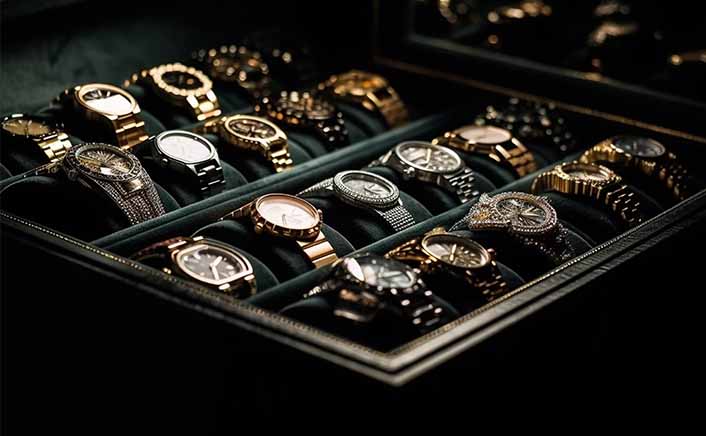
The Indian luxury Watch Market is currently experiencing refined expansion, influenced by increasing affluence, changing lifestyle aspirations, and a greater appreciation for craftsmanship and heritage. Insights from the India Luxury Watch Industry Brand Tracking Study illustrate that this market is driven by more than just ownership; timepieces are viewed as symbols of success, identity, and personal milestones. With the high-income and aspirational consumer base in India on the rise, luxury watch brands are seeing heightened engagement in terms of awareness, consideration, and purchase intent.
The study employs a robust mixed-method research design, which includes quantitative surveys and qualitative insights from industry stakeholders, to offer a holistic view of consumer interactions with leading global brands in this sector. Conducted in major metropolitan areas such as Mumbai, Delhi NCR, Bengaluru, Hyderabad, Chennai, and Kolkata, the research captures the essence of a market where luxury consumption is both socially influenced and deeply personal.
In the competitive landscape, Rolex stands out as the dominant player, showcasing unmatched brand equity and achieving the highest levels of top-of-mind recall, awareness, and consideration among Indian consumers. Its strong connections to prestige, success, and timeless craftsmanship elevate it to the status of an aspirational benchmark in the luxury segment. Findings indicate that Rolex not only enjoys widespread recognition but also effectively transforms that awareness into active consideration, reflecting a deep emotional connection that transcends the product's features. This dominance highlights Rolex's ability to resonate with both veteran luxury buyers and newcomers to the market, solidifying its leadership in a highly selective environment.
Omega and TAG Heuer also emerge as formidable competitors within the premium luxury segment, leveraging their global reputations and associations with sports, precision engineering, and celebrity endorsements. Despite enjoying high awareness levels among affluent consumers, the study reveals a notable gap in their conversion from awareness to consideration compared to Rolex. This indicates that while these brands are recognized, they face challenges in achieving the aspirational pull and emotional engagement necessary to influence purchase decisions. However, their ongoing investments in brand storytelling and retail experiences position them as significant players in attracting evolving consumer interest.
Mid-tier luxury brands such as Tissot, Longines, Rado, and Cartier maintain stable awareness and play a vital role as entry points into luxury watch ownership. These brands particularly appeal to aspirational consumers moving from premium segments, striking a balance between heritage, design, and relative accessibility. However, their lower top-of-mind recall underscores the competitive intensity within the category, where spontaneous recognition greatly influences high-involvement purchases. Niche brands like Breitling and Seiko, while catering to enthusiast segments, show more limited penetration in the market, reflecting their specialized appeal and narrower audience base.
The study also illuminates the unique consumer journey in the Indian luxury watch market, characterized by extended evaluation cycles and strong emotional drivers. Consumers typically start with high awareness levels, influenced by digital media, social platforms, and luxury retail exposure. However, the shift toward consideration is shaped by a complex interplay of factors, including brand heritage, perceived status value, peer influence, and alignment with personal identity. Physical retail experiences play a crucial role in this stage, as consumers seek tactile engagement and personalized service prior to making significant purchases. The evaluation phase often involves careful contemplation regarding pricing, financing, and long-term value, with many consumers associating their purchase with important life events such as career milestones or celebrations.
Crucially, the purchase of a luxury watch in India transcends mere transactions; it embodies achievement, aspiration, and social recognition. Post-purchase satisfaction is essential in reinforcing brand loyalty, with after-sales service and the ownership experience contributing to long-term engagement. The journey doesn’t conclude with ownership; many consumers continue aspiring toward higher-tier brands, fostering a cyclical pattern of brand elevation and repeat purchasing behavior.
In summary, the India Luxury Watch Industry Brand Tracking Study highlights a market that is both highly competitive and distinctly aspirational. While awareness levels across brands are relatively high, consideration and purchase intent are concentrated among a select few leaders, emphasizing the significance of emotional resonance and brand prestige in influencing consumer choices. As India's luxury market evolves, the dynamics within this sector will continue to shape consumer behavior and brand engagement.