India Electric Two-Wheeler Market to Reach USD 8.80 Billion by 2033, Driven by Urban Mobility Electrification and Fleet Adoption
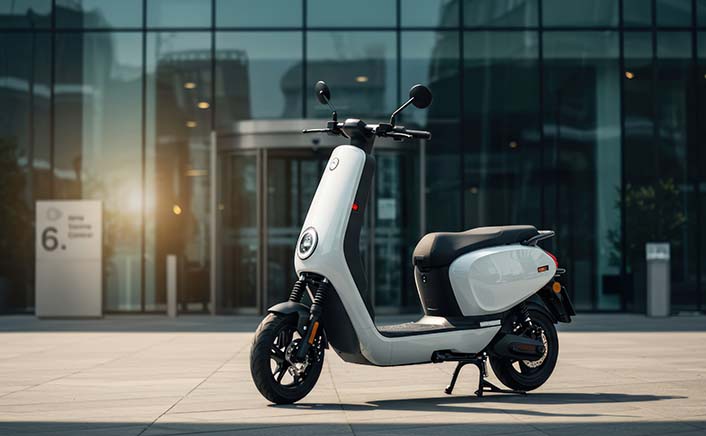
India’s Electric Two Wheeler Market is undergoing a major transformation as rising fuel costs, growing demand for urban commuting, and the electrification of delivery fleets accelerate the shift toward electric mobility solutions. The market was valued at USD 1.65 billion in 2025 and is projected to reach USD 8.80 billion by 2033, expanding at a CAGR of 22.8% during the forecast period. In volume terms, the market reached 1.40 million units in 2025 and is forecast to surpass 6.5 million units by 2033.
Electric two-wheelers have emerged as the most commercially viable segment within India’s broader EV industry because two-wheelers account for nearly three-fourths of total domestic vehicle sales. The category includes electric scooters, motorcycles, and mopeds used for personal transportation, commercial deliveries, and shared mobility operations. Strong operating cost advantages compared to petrol-powered scooters continue to strengthen consumer adoption across urban India. In several major cities, petrol prices remained above INR 100 per liter during 2024–2025, making electric mobility financially attractive for daily commuters and delivery riders.
India crossed more than 1 million annual electric two-wheeler registrations in 2024, according to VAHAN registration trends, highlighting the sector’s transition from an early-adopter phase toward broader commercial scalability. High-speed electric scooters account for the majority of sales because consumers increasingly prioritize longer battery range, improved vehicle performance, connected technology features, and financing eligibility. Models such as the Ola S1 Pro, Ather 450X, and TVS iQube have strengthened consumer confidence in premium electric mobility and increased awareness of long-term ownership savings.
Government incentives remain a critical catalyst for market growth. Central subsidies under FAME-II and PM E-DRIVE significantly reduced the acquisition costs of electric vehicles. At the same time, states including Maharashtra, Gujarat, Delhi, Tamil Nadu, and Karnataka introduced additional benefits, such as road tax exemptions and registration fee waivers. Policy support has been particularly effective in urban centers where traffic congestion, high fuel consumption, and increasing environmental concerns are accelerating demand for alternative mobility solutions.
Commercial fleet electrification is also becoming a major driver of market expansion. Companies such as Swiggy, Zomato, Blinkit, Amazon, and several last-mile logistics providers are rapidly deploying electric two-wheelers across delivery operations to reduce fuel expenses and meet sustainability targets. Delivery fleets benefit significantly from lower operating costs because electric scooters require less maintenance and deliver substantially lower cost-per-kilometer operations than conventional petrol scooters. Battery swapping providers, including Battery Smart and Sun Mobility, are further supporting fleet adoption by improving vehicle uptime in dense urban delivery clusters.
Lithium-ion batteries dominate the market due to their higher energy density, better charging efficiency, and improved lifecycle economics compared to lead-acid alternatives. Battery localization is also becoming a strategic industry priority as India expands domestic manufacturing under Production Linked Incentive schemes and advanced chemistry cell programs. Greater localization is expected to reduce dependence on Chinese battery components and improve long-term cost competitiveness for domestic manufacturers.
The market remains highly competitive, with both EV-focused startups and established automotive manufacturers aggressively expanding operations. Ola Electric currently leads the market through aggressive pricing strategies, large-scale manufacturing capacity, and rapid dealership expansion. Ather Energy has positioned itself strongly within the premium segment through technology-focused differentiation and connected mobility features. Traditional automotive manufacturers such as TVS Motor Company and Bajaj Auto continue leveraging established dealer networks and supply-chain capabilities to strengthen market penetration.
Despite strong growth momentum, several structural challenges remain. Charging infrastructure outside major metropolitan regions remains limited, while battery replacement costs and policy uncertainty remain important concerns for price-sensitive consumers. Manufacturers are also under pressure to balance affordability with investments in safety systems, software integration, and after-sales service infrastructure.
Nevertheless, long-term market fundamentals remain favorable due to India’s large commuter population, expanding urbanization, improved access to financing, and rising acceptance of electric mobility solutions across both personal and commercial transportation segments.