Rising premiumization, evolving lifestyles, and a strong gifting culture are accelerating demand in the Global Luxury Home Fragrance Market.
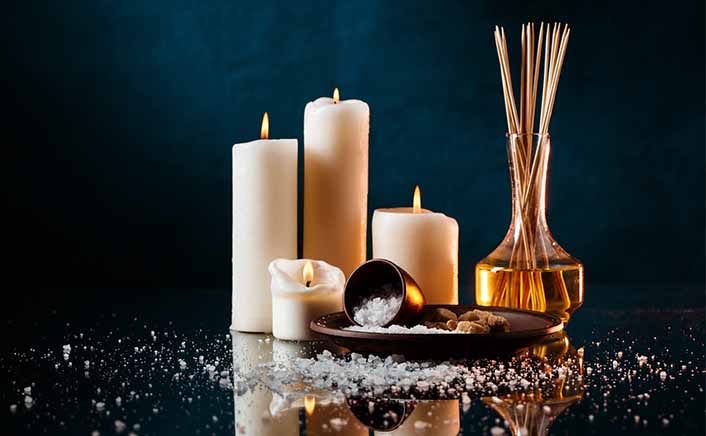
“The Global Luxury Home Fragrance Market is expanding steadily, supported by premiumization trends, growing consumer focus on home ambiance, and the rising role of fragrance as a lifestyle and wellness product. Luxury home fragrances, including scented candles and diffusers, are no longer seen as functional items but as expressions of personal taste, interior aesthetics, and emotional well-being, reinforced by strong brand storytelling and elevated product design across key regions.”
The Global Luxury Home Fragrance Market was valued at USD 7.1 billion in 2025 and is projected to reach approximately USD 11.5 billion by 2033, growing at a compound annual growth rate (CAGR) of 6.2% over the forecast period. Market growth is supported by sustained demand in North America and Europe, as well as accelerating adoption across Asia-Pacific, driven by urbanization, rising disposable incomes, and exposure to global luxury brands, which are reshaping consumer preferences.
Luxury home fragrance products are increasingly integrated into everyday living spaces, driven by heightened attention to home décor, self-care routines, and sensory experiences. The growing emphasis on creating personalized, comforting home environments has strengthened demand for premium candles, diffusers, and room fragrances, particularly among urban and affluent consumers. Additionally, luxury home fragrances continue to benefit from their strong positioning as premium gifts, supporting consistent demand across festive and celebratory occasions.
Premiumization and lifestyle-driven consumption are driving global demand for luxury home fragrances.
The market is being propelled by consumers’ growing willingness to trade up from mass-market home fragrances to premium and luxury alternatives. High-quality ingredients, distinctive scent profiles, artisanal craftsmanship, and aesthetically refined packaging have become central to purchase decisions. Luxury scented candles, in particular, dominate the market in value terms due to their decorative appeal, high perceived value, and suitability for both self-use and gifting. As consumers seek products that enhance mood, relaxation, and ambiance, luxury home fragrance brands are benefiting from stronger emotional connections and repeat purchase behavior.
North America remains the largest market for luxury home fragrances, supported by high discretionary spending, a mature gifting culture, and widespread adoption of premium lifestyle products. Europe remains a critical hub for fragrance heritage and artisanal craftsmanship, while also serving as a primary market for consumption. In these regions, luxury home-fragrance purchases are closely tied to seasonal demand, interior-styling trends, and lifestyle upgrades, reinforcing stable, long-term growth.
Expanding affluent and upper-middle-income populations are supporting long-term market growth.
Rising disposable incomes and the expansion of affluent consumer groups across the Asia-Pacific and select Middle Eastern markets are significantly broadening the addressable market for luxury home fragrances. Urbanization and greater exposure to global design and lifestyle trends have encouraged consumers in these regions to adopt premium home décor and wellness products. Younger, aspirational buyers are increasingly engaging with luxury home fragrance brands, drawn by modern branding, digital storytelling, and accessible entry-level luxury offerings.
Asia-Pacific is emerging as the fastest-growing regional market, driven by strong growth in metropolitan areas where apartment living and compact spaces heighten the relevance of ambiance-enhancing products. As luxury consumption becomes more aspirational and lifestyle-driven, demand for both heritage brands and contemporary niche players continues to rise, supporting sustained regional momentum.
Offline retail remains central to luxury home fragrance sales due to the category's sensory nature.
Despite the rapid growth of digital channels, offline retail remains central to luxury home fragrance sales. Physical stores let consumers experience fragrances firsthand, evaluate packaging aesthetics, and receive personalized recommendations, all of which are critical for high-value purchases. Specialty and luxury retail stores, along with department stores, remain essential channels for discovery and gifting, particularly in North America and Europe.
In-store experiences, including curated displays and seasonal collections, help reinforce brand positioning and justify premium pricing. These channels are especially influential during peak gifting periods, when consumers prefer tactile evaluation and immediate purchase fulfillment.
Digital channels and direct-to-consumer strategies are reshaping discovery and value capture.
Digital and direct-to-consumer channels are increasingly important in the luxury home fragrance market, particularly among younger, digitally engaged consumers. Brand-owned websites and online boutiques enable luxury brands to control pricing, communicate brand narratives, and engage customers through personalized marketing. Social media, lifestyle content, and influencer-driven platforms are playing a growing role in product discovery, especially for new and niche brands.
To address the sensory limitations of online shopping, luxury home fragrance brands are investing in discovery sets, refill programs, and detailed scent descriptions to reduce purchase hesitation and drive trial. These strategies are improving conversion rates, supporting repeat purchases, and strengthening long-term customer relationships.
Gifting culture and lifestyle positioning continue to reinforce demand across regions.
Luxury home fragrances remain among the most popular premium gifting categories because of their universal appeal, emotional resonance, and suitability for a wide range of occasions. Festive seasons, housewarming events, and personal celebrations continue to drive demand, while limited-edition collections and seasonal fragrances create urgency and exclusivity. As consumers increasingly associate luxury home fragrances with comfort, identity, and celebration, demand is expected to remain resilient across both developed and emerging markets.
Competitive Landscape
The Global Luxury Home Fragrance Market comprises established luxury conglomerates and niche premium brands competing on fragrance quality, design, and brand storytelling. Market participants focus on product innovation, channel optimization, and regional expansion to strengthen their competitive positions. As premiumization and lifestyle-driven consumption continue to shape the category, competition is expected to intensify on brand differentiation and customer engagement rather than on price-based strategies.