Germany Torque Sensor Market Strengthens as Automotive Electrification and Industrial Automation Drive Demand
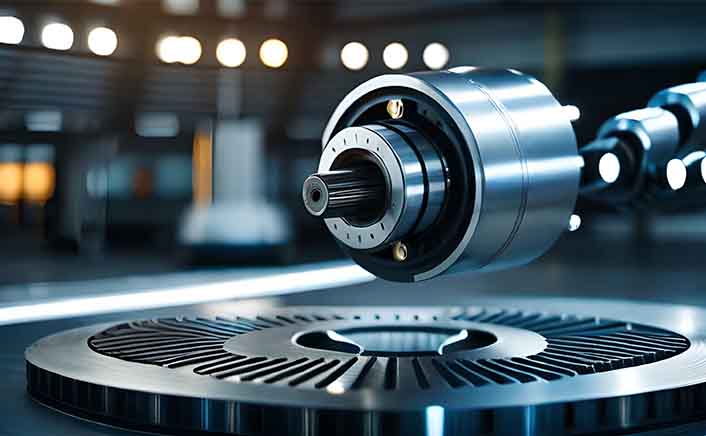
Germany’s Torque Sensor Market is entering a phase of steady expansion, supported by structural shifts in automotive engineering and the rapid adoption of industrial automation technologies. With the market valued at USD 0.75 billion in 2025 and projected to reach USD 1.27 billion by 2033, the industry reflects a balanced growth trajectory backed by strong domestic manufacturing and export-oriented demand.
Torque sensors, which measure rotational force in mechanical systems, have become indispensable across modern engineering applications. In Germany, their importance is most visible in automotive systems, particularly electric power steering (EPS), where torque sensors provide real-time feedback to ensure precise steering control. With Germany producing over 4 million vehicles annually, the integration of EPS systems, now standard in most passenger vehicles, has created a stable and recurring demand base for torque-sensing technologies.
The ongoing transition toward electric vehicles is further strengthening this demand. Unlike conventional vehicles, EVs require more advanced torque-sensing capabilities for motor control, drivetrain efficiency, and regenerative braking systems. As Germany accelerates its EV adoption under European emissions regulations, torque sensors are increasingly being positioned as critical components in next-generation vehicle architectures.
Beyond automotive applications, industrial automation is emerging as a key growth pillar. Germany continues to lead Europe in robotics deployment, with tens of thousands of industrial robots installed annually. Torque sensors play a vital role in these systems, particularly in collaborative robots where precise force feedback is essential for safe and efficient human-machine interaction. This expanding use case is shifting the market from purely volume-driven automotive demand to a more diversified and value-driven industrial landscape.
Technology innovation is also shaping the market's competitive dynamics. While strain-gauge-based sensors remain widely used due to their reliability and cost-effectiveness, there is a growing shift toward non-contact technologies, such as magnetoelastic and surface acoustic wave (SAW) sensors. These advanced solutions offer improved durability and reduced maintenance, making them increasingly attractive for high-performance applications in EVs and industrial systems. At the same time, integrating torque sensors with digital monitoring platforms is enabling predictive maintenance and real-time performance optimization in smart manufacturing environments.
Pricing trends reflect the market’s segmentation across industries. Automotive torque sensors, produced at scale for OEMs, typically fall within a moderate price range, driven by high-volume contracts and cost optimization strategies. In contrast, industrial and aerospace applications command significantly higher prices due to their precision requirements and lower production volumes. This variation highlights the market's dual nature, in which both scale and specialization coexist.
Germany’s position as a manufacturing hub further reinforces its role in the global torque sensor ecosystem. The presence of leading Tier-1 suppliers and sensor manufacturers ensures strong domestic capabilities, while export-oriented production supports demand across Europe and beyond. Strategic collaborations between automotive OEMs and component suppliers continue to drive innovation, particularly in areas such as electric mobility and advanced driver systems.
Despite these positive trends, the market faces certain structural constraints. High penetration levels in core applications such as EPS limit volume growth, shifting the focus toward replacement demand and technological upgrades. Additionally, strict safety and quality standards increase development costs, requiring continuous investment in research and compliance.
Looking ahead, the German torque sensor market is expected to maintain a stable growth trajectory, supported by electrification, automation, and ongoing advancements in sensing technologies. As industries continue to prioritize efficiency, precision, and digital integration, torque sensors will remain a critical enabler of modern engineering systems, reinforcing their strategic importance across both automotive and industrial domains.