Germany Gluten Free Food Market to Reach USD 777 Million by 2033, Driven by Retail Expansion and Lifestyle-Driven Demand
The German Gluten-Free Food Market is set to expand from USD 470 million in 2025 to USD 777 million by 2033, registering a CAGR of 6.5% from 2027 to 2033. The market’s growth is being shaped by a structural shift from medically driven consumption to broader lifestyle adoption, supported by strong retail penetration and evolving consumer preferences.
Gluten-free food products, traditionally targeted at individuals with celiac disease and gluten intolerance, are increasingly being adopted by a wider consumer base focused on digestive health, clean-label diets, and wellness-oriented consumption. In Germany, approximately 1% of the population is diagnosed with celiac disease; however, industry data indicates that up to 10–15% of consumers actively reduce gluten intake, significantly expanding the addressable market.
A defining characteristic of the German market is the role of retail infrastructure, particularly discount chains. Retailers such as Aldi and Lidl, which together account for a substantial share of the country’s grocery sales, have aggressively expanded their private-label gluten-free product lines. This strategy has improved product accessibility and reduced price barriers, enabling gluten-free products to move beyond niche health stores into mainstream consumption. Despite this, gluten-free products continue to carry a price premium, often ranging from two to three times that of conventional alternatives, reflecting higher production costs and specialized ingredient sourcing.
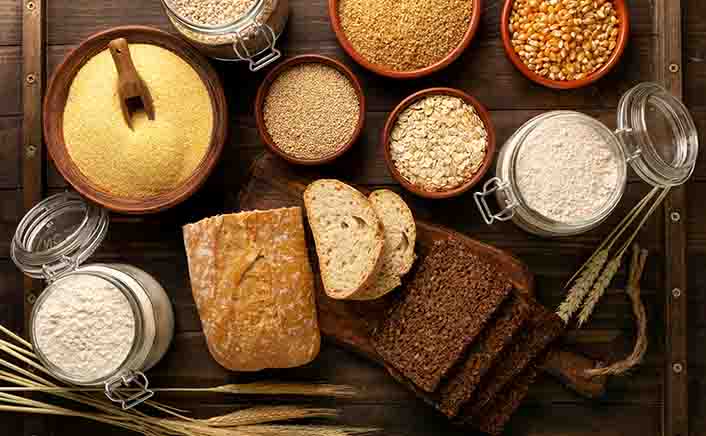
The bakery segment remains the dominant product category, driven by Germany’s high per capita bread consumption and the need for staple food substitution among gluten-free consumers. At the same time, snacks and ready-to-eat products are emerging as the fastest-growing segment, supported by urban lifestyles and demand for convenient food options. Manufacturers are investing in product innovation, particularly in improving taste and texture by using alternative flours such as rice, corn, and legumes, which have historically been barriers to adoption.
Consumer behavior is undergoing a notable transformation, with purchasing decisions increasingly influenced by lifestyle considerations rather than medical necessity alone. Private label products account for a significant portion of sales, reflecting strong price sensitivity and trust in established retail brands. Meanwhile, premium segments are driven by demand for organic, non-GMO, and clean-label products, aligning with Germany’s broader organic food market, which exceeds EUR 15 billion in annual sales.
Distribution dynamics further reinforce market growth. Discount retailers dominate volume sales due to their pricing strategies and extensive reach, while supermarkets and hypermarkets offer a wider range of branded and private-label products. Specialty organic stores continue to cater to premium consumers, and online retail is gradually gaining traction, particularly for niche and imported gluten-free products.
From a regional perspective, demand is concentrated in urban and higher-income regions such as Bavaria and Baden-Württemberg, where consumers have greater purchasing power and access to premium products. Compared to other European markets, Germany offers a balance between scale and growth, with a larger overall market size than many countries but slightly lower per capita penetration than markets such as Italy, where government support and higher diagnosis rates drive consumption.
The competitive landscape is moderately fragmented, with a mix of multinational brands and strong private label competition. Leading players such as Dr. Schär maintain a strong presence through extensive product portfolios and distribution networks, while global companies like Nestlé and General Mills participate selectively across categories. At the same time, retailers continue to strengthen their private label offerings, intensifying competition and exerting pressure on branded players to differentiate through innovation and quality.
Looking ahead, the market is expected to benefit from continued product innovation, the expansion of gluten-free offerings in foodservice, and the development of functional products aligned with broader health and wellness trends. However, pricing pressures and consumer skepticism regarding the benefits of gluten-free diets among non-celiac individuals may moderate growth.
Overall, the German gluten-free food market is transitioning into a mainstream food category, supported by strong retail integration, evolving consumer behavior, and sustained innovation across product segments.