Germany Electronic Parking Brake (EPB) Market Expands with Premium Vehicle Production and Advanced Braking Integration
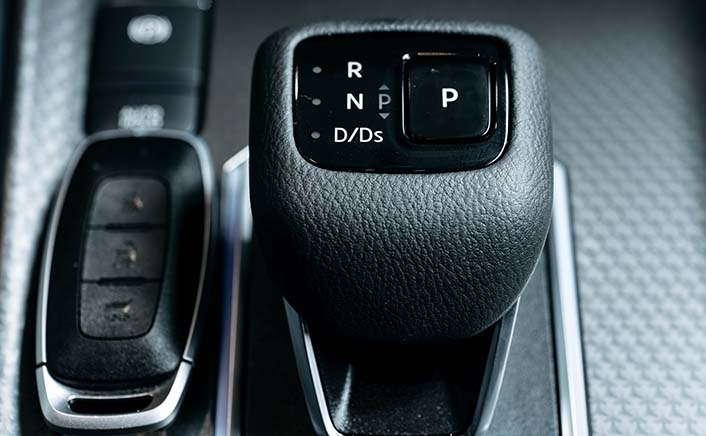
The German Electronic Parking Brake (EPB) Market is valued at USD 0.36 billion in 2025 and is projected to reach USD 0.57 billion by 2033, reflecting a 5.8% CAGR over the forecast period. The market’s trajectory is driven more by rising system value than by volume growth, as German automakers continue to integrate advanced electronic braking architectures across vehicle platforms.
Electronic Parking Brake (EPB) systems replace traditional mechanical handbrakes with electronically controlled actuators, enabling features such as auto-hold, hill-start assist, and seamless integration with advanced driver assistance systems (ADAS). In Germany, where annual passenger vehicle production exceeds 4 million units and is dominated by premium exports, EPB systems have shifted from optional features to standard components in mid- to high-end vehicles.
Premium Vehicle Mix Driving Value Expansion
Germany’s automotive landscape, led by manufacturers such as BMW, Mercedes-Benz, and Audi, is heavily oriented toward high-value vehicles. This production structure directly shapes EPB demand, as premium models require integrated braking systems that support automation, safety, and enhanced driver convenience. EPB penetration in passenger vehicles has already exceeded 85%, limiting volume-based growth but creating opportunities for higher-value system integration.
The growing share of electric vehicles (EVs) is further accelerating the adoption of EPBs. EV platforms rely on compact, electronically controlled subsystems, eliminating the need for traditional mechanical linkages. As a result, EPB systems are becoming integral to vehicle architecture rather than standalone components. This shift aligns with broader electrification trends highlighted by global energy agencies, with Europe remaining a key hub for EV deployment and manufacturing.
Technology Integration: Enhancing System Importance
The evolution of EPB technology in Germany is closely tied to the transition toward centralized vehicle control systems. Leading suppliers, including Robert Bosch GmbH and Continental AG, are developing EPB solutions that integrate directly with electronic stability control (ESC) and ADAS frameworks. This integration improves braking response, enhances safety, and supports emerging autonomous driving capabilities.
Another key development is the shift toward brake-by-wire systems, in which electronic signals replace traditional hydraulic actuation. EPB systems are a foundational element of these architectures, enabling precise control and reducing system complexity. As automakers continue to invest in next-generation vehicle platforms, EPB is expected to play a central role in enabling fully electronic braking systems.
Stable Pricing with Upward Value Shift
EPB system pricing in Germany reflects the country’s premium vehicle orientation. Basic systems typically cost between USD 70 and USD 90 per unit, while advanced integrated systems can reach USD 130, depending on functionality and electronic integration. The weighted average price remains at the higher end, driven by strong demand for technologically advanced vehicles.
Unlike cost-driven markets, pricing in Germany is more influenced by system performance and integration capabilities than by volume competition. This enables suppliers to maintain stable margins while introducing additional features, such as predictive braking and automated engagement. Over time, incremental software integration is expected to further increase system value without significantly increasing hardware costs.
Regional Manufacturing Strength Supporting Demand
EPB demand is concentrated in Germany’s key automotive manufacturing regions. Baden-Württemberg and Bavaria, home to major premium OEMs, account for a significant share of high-value production. Lower Saxony, with Volkswagen’s large-scale operations, drives volume-driven demand across multiple vehicle segments. Saxony is emerging as an important hub for electric-vehicle production, adding a new dimension to EPB demand through EV-specific requirements.
This regional concentration ensures a stable demand base, supported by domestic production and export-oriented manufacturing. Germany’s position as a global automotive hub continues to reinforce its leadership in advanced braking technologies.
Competitive Landscape Focused on Innovation
The German EPB market is moderately consolidated, with a strong presence of established Tier-1 suppliers. Companies such as Robert Bosch GmbH, Continental AG, and ZF Friedrichshafen AG dominate the market through long-term OEM partnerships and ongoing investment in research and development. International players, including Aisin Corporation and Brembo S.p.A., contribute through specialized braking technologies and collaborations with premium automakers.
Competition is increasingly centered on system-level innovation rather than on standalone components. Suppliers are focusing on integrating EPB with broader vehicle control systems to enhance functionality while maintaining reliability in safety-critical applications.
The German EPB market is expected to maintain steady growth through 2033, supported by ongoing advancements in vehicle electronics, the expansion of electric mobility, and the evolution of autonomous driving technologies. Although market maturity limits volume growth, increasing system complexity and integration will continue to drive value growth, positioning EPB as a core component of the future of automotive braking systems.