Rising Desalination Expansion and Transmission Infrastructure Investment Are Accelerating Cast Iron Pipe Demand across the GCC
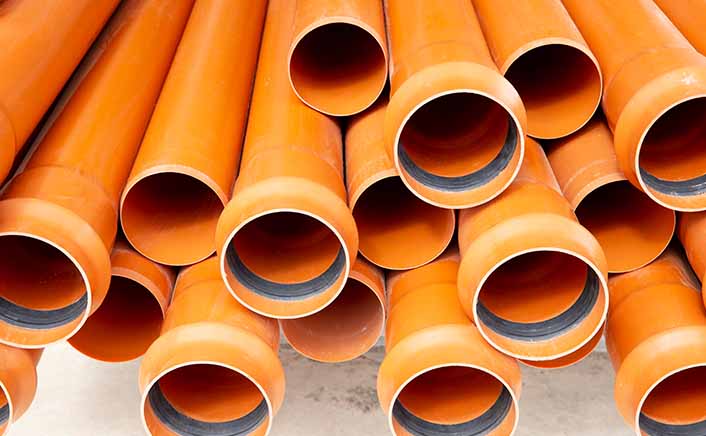
The GCC cast-iron pipe market is experiencing steady growth, driven by the addition of large-scale desalination capacity, the development of long-distance water transmission corridors, and upgrades to wastewater reuse infrastructure. As Gulf economies prioritize water security in long-term national development strategies, ductile iron pipes are increasingly specified for high-pressure trunk mains and municipal backbone networks, rather than for secondary distribution lines alone.
The GCC Cast Iron Pipes Market was valued at USD 570 million in 2024 and reached USD 600 million in 2025. The market is projected to reach USD 942 million by 2033, with a 5.8% CAGR from 2027 to 2033. Growth is primarily supported by transmission pipeline projects in Saudi Arabia, urban infrastructure modernization in the UAE, and wastewater expansion programs in Qatar. Stable sovereign-backed capital expenditure and structured tender-based procurement reinforce long-term visibility of demand across the region.
Desalination-led transmission corridors are increasing the demand for large-diameter ductile iron pipes.
The GCC region relies heavily on desalination to meet potable water requirements, creating sustained demand for high-capacity transmission pipelines that transport treated water from coastal plants to inland cities. These projects require medium- to extra-large-diameter ductile iron pipes capable of withstanding high internal pressures and long operational lifecycles under extreme climatic conditions. Saudi Arabia, in particular, continues to invest in transmission corridors linking desalination facilities to emerging urban and industrial developments.
Large-diameter pipes command higher average selling prices than smaller distribution lines, thereby increasing overall market value even when installation volumes remain stable. As desalination output expands to support population growth and economic diversification initiatives, the structural requirement for durable, corrosion-resistant transmission pipelines continues to strengthen.
Wastewater reuse expansion is strengthening demand for trunk sewer and recycled water networks.
Across the GCC, wastewater treatment and reuse programs are expanding to reduce dependence on desalinated potable water for non-drinking applications. Industrial zones, landscaping projects, and agricultural initiatives increasingly rely on treated wastewater, requiring dedicated trunk sewer lines and recycled water networks.
Ductile iron pipes are frequently specified in these systems due to their mechanical robustness and resistance to external soil stress. Unlike distribution-focused polymer systems, trunk sewer infrastructure often requires higher load-bearing capacity and longer service life. This shift toward reuse-oriented infrastructure supports demand for diverse applications beyond potable water transmission, contributing to broader market stability.
Urban mega-developments are embedding backbone water infrastructure at master-planned levels.
Large-scale developments across Saudi Arabia and the UAE are incorporating integrated water and wastewater systems during early-stage planning. Rather than incremental municipal upgrades, these projects involve comprehensive infrastructure design, including primary trunk mains, pumping stations, and long-distance transmission networks.
Embedding ductile iron pipelines at the master-planning stage ensures stable multi-year procurement cycles aligned with construction timelines. Even as residential and commercial real estate markets fluctuate, backbone utility infrastructure remains non-discretionary, protecting pipeline demand from short-term construction volatility.
Tender-driven procurement and local content policies shape competitive dynamics.
The GCC cast-iron pipe market operates under a centralized, tender-based procurement system in which public utilities and government agencies award contracts through prequalification frameworks. Suppliers must meet strict technical standards, hold performance certifications, and adhere to delivery schedules.
Local manufacturing presence strengthens competitive positioning, particularly in Saudi Arabia and Oman, where domestic production supports compliance with local content policies. Pricing competitiveness remains important, but procurement decisions prioritize lifecycle reliability and supply assurance over lowest-cost bids. Long-term framework agreements reduce volatility and provide production visibility for leading manufacturers.
Industrial cluster expansion supports steady secondary demand.
Beyond municipal utilities, industrial water management systems in petrochemical, refining, and energy clusters contribute incremental demand for cast iron pipes. Process water conveyance, cooling systems, and fire protection networks require durable piping solutions capable of operating under variable pressure conditions.
As Gulf economies diversify industrial output under economic transformation programs, new industrial parks and logistics hubs integrate water infrastructure from project inception. While industrial demand accounts for a smaller share of the market than municipal transmission, it provides a more consistent flow and enhances market resilience across economic cycles.
Export-oriented supply chains and regional production capacity reinforce stability.
The GCC market benefits from a combination of regional manufacturers and international exporters supplying large-diameter and specialty ductile iron pipes. Regional production facilities improve logistical efficiency and reduce freight exposure for large-scale infrastructure projects.
International suppliers continue to compete on high-specification diameters, advanced lining technologies, and technical certifications required for major transmission projects. This blended supply ecosystem strengthens procurement reliability and supports competitive pricing dynamics without compromising project timelines.
Competitive Landscape
The GCC cast-iron pipe market is characterized by concentrated participation from established regional and global manufacturers. Key active companies include Saudi Arabian Amiantit Company, Al Jazira Pipes Industries LLC, Ducab Pipes Manufacturing LLC, Tata Metaliks DI Pipes Ltd., AMNS Ductile Iron Pipes, Saint-Gobain PAM, Kubota Corporation, Jindal SAW Ltd., U.S. Pipe, and McWane Ductile.
Competition centers on large-diameter transmission capabilities, coating technologies, project delivery timelines, and compliance with regional standards. Regional manufacturers leverage local production and familiarity with tenders, while global players compete through technical specialization and high-performance product offerings. Barriers to entry remain significant due to capital-intensive manufacturing processes, certification requirements, and long utility approval cycles.
As desalination expansion, wastewater reuse mandates, and urban development programs continue to advance across the GCC, the cast iron pipes market maintains structurally supported growth, driven by essential water infrastructure modernization and long-term sovereign investment commitments.