Decarbonizing Finland’s Chemical, Refining, and Power Sectors: Electrolyser Market Opportunities and Forecast
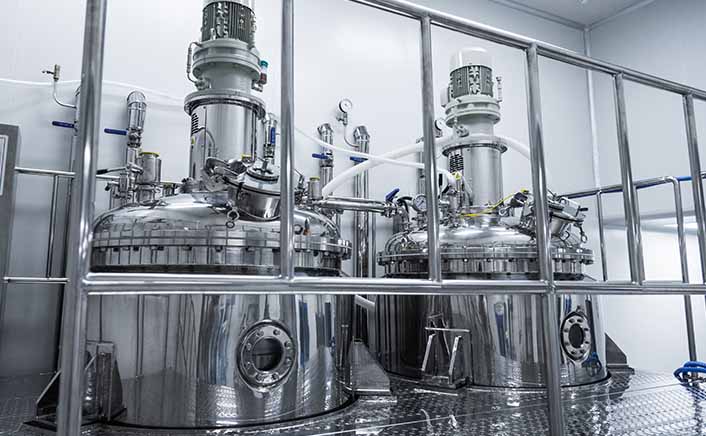
The Finland electrolyser market is currently experiencing rapid growth, fueled by a mix of industrial demand, renewable energy integration, and supportive public policies. One of the primary drivers of this expansion is the chemical and petrochemical industry, which constitutes approximately 30% of the market. Electrolysers offer these sectors a sustainable source of green hydrogen, essential for producing ammonia, methanol, and other chemical feedstocks. This transition from fossil-derived to renewable hydrogen not only supports carbon reduction goals but also helps ensure regulatory compliance, making chemical companies in Finland early adopters of this technology. Large-scale industrial installations, such as those in Harjavalta and other industrial hubs, demonstrate how electrolysers enhance process efficiency while reducing the environmental footprint of chemical production.
The refining sector also plays a significant role, contributing around 20% of the market share. In refining operations, green hydrogen is becoming increasingly vital, especially for the production of low-carbon fuels and hydroprocessing. By integrating electrolysers, refineries can decrease their reliance on natural gas-based hydrogen, substantially lowering CO emissions and aligning with both national and EU decarbonization objectives. Finnish refineries, as well as those in neighboring European markets, are adopting electrolyser systems to ensure a reliable supply of renewable hydrogen, thus creating additional growth opportunities for the domestic electrolyser industry. This sector is witnessing strategic partnerships between electrolyser manufacturers and refinery operators to deploy scalable systems that efficiently meet large industrial hydrogen demands.
Although smaller in scale, the power generation segment is also growing, representing around 10% of the Finland electrolyser market. Coupled with renewable energy sources like wind and hydropower, electrolysers offer the dual benefit of producing green hydrogen and stabilizing the grid. They allow for hydrogen production during periods of excess renewable generation, serving as a long-duration energy storage solution that addresses intermittency challenges. Finland’s abundant renewable resources make power-to-hydrogen projects increasingly viable, positioning electrolysers as a strategic element in energy security and national climate initiatives.
In the transportation and mobility sector, which accounts for roughly 15% of the market, electrolysers provide hydrogen for fuel cell vehicles, buses, and regional refueling stations, thus supporting Finland’s shift towards low-emission mobility. With government incentives and EU directives promoting zero-emission transport, demand for green hydrogen in mobility applications is projected to rise steadily. Early deployments of PEM and high-pressure electrolysers in this sector facilitate rapid responsiveness and deliver high-purity hydrogen, ensuring reliability for fuel cell operations.
Additionally, fuel cell manufacturers represent around 10% of the market. These companies depend on a consistent hydrogen supply for research, testing, and production. Electrolysers serve this segment by supporting innovation in fuel cell technology, enabling manufacturers to scale operations efficiently while upholding sustainability standards. The use of on-site electrolysis allows fuel cell producers to reduce their dependence on externally supplied hydrogen, lowering costs and enhancing operational control, thus reinforcing the Finland electrolyser market.
Lastly, government and public sector projects make up approximately 15% of the Finland electrolyser market. Initiatives funded by the public sector include pilot programs, demonstration plants, and strategic research collaborations aimed at accelerating hydrogen adoption and industry-wide decarbonization. These projects create direct demand for electrolysers while also promoting private sector investment by validating technologies, mitigating risks, and demonstrating economic feasibility. Support from the Finnish government and EU innovation funds offers financial incentives, regulatory backing, and infrastructure development, resulting in a favorable environment for electrolyser deployment across various sectors.
In summary, the Finland electrolyser market is shaped by a diverse group of end-users, including industrial, refining, power, transportation, fuel cell manufacturing, and government sectors, each contributing to market growth. High-volume industrial applications, such as chemicals and refining, drive scale, while mobility, energy storage, and public initiatives foster innovation and diversification. Strong policy alignment, an abundance of renewable energy, and ongoing technological advancements position the market for sustained growth, highlighting the strategic importance of electrolysis in Finland.