Growing concern about healthier living spaces in Europe is fueling strong interest in safe VOC free wool cement materials that support cleaner indoor environments.
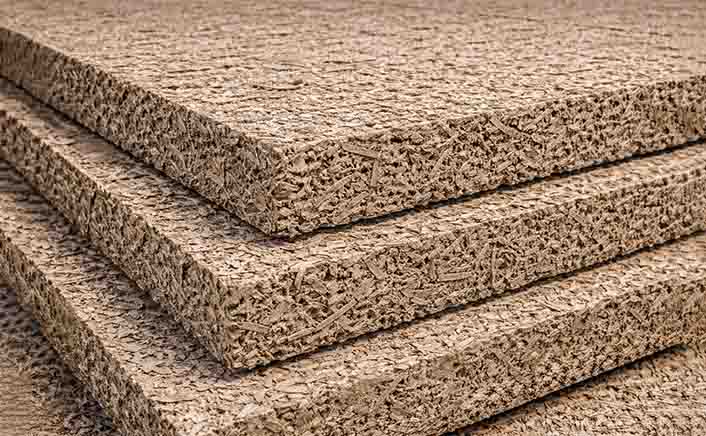
The Wood Wool Cement Market in Europe is experiencing notable growth as more builders and architects seek sustainable and fire-resistant materials for their construction projects. This demand is particularly strong in countries like Germany, France, and the UK, which are at the forefront of prioritizing eco-friendly building solutions due to strict building regulations.
The Europe Wood Wool Cement market was valued at USD 18.1 Million in 2024 and is projected to reach USD 27.3 Million by 2030, with a compound annual growth rate (CAGR) of 7.21% from 2025 to 2030.
Wool cement, which consists of wood wool and cement binders, is becoming increasingly popular because of its excellent acoustic insulation, thermal performance, and recyclability. Germany, with its strong emphasis on energy-efficient buildings, remains a significant consumer of wool cement. Meanwhile, France and the UK are also incorporating this material into their green building initiatives and retrofitting projects.
The market's growth is further supported by government policies aimed at reducing carbon emissions and encouraging practices associated with a circular economy. Northern and Western Europe exhibit higher adoption rates due to their advanced construction sectors and heightened environmental awareness. In contrast, Southern and Eastern Europe are gradually catching up, driven by urbanization and infrastructure development.
European countries are at the forefront of adopting environmentally friendly construction materials. Wool cement aligns with green building certifications (e.g., BREEAM, LEED) due to its low environmental impact and recyclability.
Europe is widely recognized for its dedication to sustainability, especially in the construction industry. One innovative alternative gaining traction is wool cement products, which combine natural fibers like wood wool with cement. These eco-friendly materials present a sustainable option compared to traditional building materials, thanks to their low embodied energy, minimal waste production, and recyclability.
As green building standards continue to evolve, frameworks like BREEAM in the UK, HQE in France, and DGNB in Germany emphasize the importance of materials that help reduce carbon footprints and support a circular economy. With the growing demand for buildings that meet these sustainability certifications, wool cement products are becoming increasingly popular.
These materials are particularly appealing as they align with the EU’s Green Deal and the goal of achieving net-zero emissions by 2050. Architects and developers across Europe are incorporating wool cement panels into their designs, not only to comply with regulations but also to meet consumer expectations for sustainable building practices.
Moreover, sourcing raw materials locally boosts the green credentials of wool cement, making it an excellent choice for environmentally friendly construction projects. This commitment to sustainability is a key driver behind the growth of the market, whether for new developments or renovation projects.
EU regulations like the Energy Performance of Buildings Directive (EPBD) push for higher insulation standards. Wool cement panels offer excellent thermal and acoustic insulation, supporting compliance with these rules.
European Union countries have strict energy efficiency rules designed to cut down on greenhouse gas emissions and reduce energy use in buildings. One of the key pieces of legislation driving this effort is the Energy Performance of Buildings Directive (EPBD), which sets high standards for insulation and energy performance across the region. Wool cement panels are proving to be a valuable asset in achieving these goals, as they provide excellent thermal insulation and soundproofing.
This makes them particularly appealing in countries like Germany, Sweden, and the Netherlands, where regulations around energy efficiency and noise control are strict. The push for "Nearly Zero-Energy Buildings" (NZEB), which are required for new public buildings and private developments in the EU, further increases the demand for innovative insulation materials like wool cement. These products help reduce the need for artificial heating and cooling, leading to significant energy savings over time.
As energy audits and certification processes become more common throughout Europe, builders are increasingly turning to wool cement to enhance their building ratings and ensure compliance.
In this landscape, adhering to energy efficiency regulations isn't just about meeting requirements; it can also give builders a competitive edge, making wool cement a top choice in sustainable construction.
Wool cement is non-combustible and complies with Europe's rigorous fire safety norms, making it ideal for residential, commercial, and public buildings.
Europe has some pretty strict building safety codes, especially when it comes to fire resistance in places like multi-family homes, schools, hospitals, and commercial properties. Wool cement panels have become a popular choice because they’re non-combustible and carry high fire-resistance ratings (typically Euroclass A2 or better). This makes them a dependable option where safety is a top priority.
After high-profile incidents like the Grenfell Tower fire in London, countries like the UK, Germany, and France have really upped their game regarding fire regulations. Given their excellent fire-resistant properties, wool cement panels help prevent flames from spreading and reduce toxic smoke, making them ideal for applications such as wall cladding and ceiling panels, where passive fire protection is crucial.
It's not just residential buildings that benefit; public projects, including schools and healthcare facilities, are now also pushing for high fire-performance standards, driving more interest in wool cement. Its durability and fire resistance not only comply with national and EU safety laws but also make it essential in many building codes. All these safety standards enhance the appeal of wool cement in the European market.
Many European cities are investing in energy-efficient renovations of older buildings. Wool cement is increasingly used in retrofitting due to its lightweight and insulating properties.
Many cities across Europe are currently embarking on major renovation projects to boost the energy efficiency and structural strength of their older buildings. A lot of these buildings have been around for decades, if not longer, which creates a pressing need for updates that align with today’s environmental and safety standards.
One great solution for these renovations is wool cement panels. They’re lightweight, easy to install, and offer fantastic insulation properties. In fact, initiatives like Germany’s KfW Energy-Efficient Renovation program and France’s “MaPrimeRénov’” provide financial assistance to help property owners improve their insulation and overall building conditions.
Wool cement products are key players in these upgrades, especially when it comes to external wall insulation systems (EWIS) and internal cladding. Not only do they enhance thermal efficiency and help lower energy bills, but they also allow buildings to breathe, which is crucial for preventing dampness and mold in older structures. Additionally, their soundproofing qualities are particularly beneficial in bustling urban areas, where a little peace and quiet can greatly enhance home comfort.
Cities in Northern and Western Europe are particularly focused on these retrofitting initiatives, and the growing trend of modular and prefabricated construction perfectly complements the use of wool cement in these projects. As urban areas strive for carbon neutrality and aim to improve living conditions, wool cement truly emerges as a smart and effective choice for sustainable renovations.
Rising awareness about indoor air quality and health concerns is driving demand for non-toxic, VOC-free materials like wool cement.
European consumers are becoming more health-conscious, and this shift is having a big impact on the materials we choose for construction. Take wool cement, for example. It's made from natural fibers and mineral binders, and it doesn’t contain any volatile organic compounds (VOCs) or harmful additives. This makes it a popular choice for places like homes, schools, and healthcare facilities.
With growing concerns about indoor air quality and issues like “sick building syndrome,” many people are paying closer attention to what goes into their buildings. Wool cement panels are a great option because they create a breathable environment that helps regulate humidity, reducing condensation and the potential for mold and related health problems. Plus, the materials used in wool cement are safe, hypoallergenic, and odorless, making them ideal for sensitive spaces.
Certifications like the EU Ecolabel and Cradle to Cradle also highlight the health and sustainability benefits of using these non-toxic products. This push for wellness in design is especially strong in Northern and Western Europe but is gaining traction all over the continent. As construction trends lean toward biophilic and nature-inspired designs, wool cement's organic makeup and flexible aesthetic make it a standout material in the changing landscape of European building.
Competitive Landscape
Some of the major companies operating within the Europe Wood Wool Cement Market are: Eltomation B.V., Troldtekt A/S, CELENIT S.p.A., Knauf Group, CEWOOD Ltd., BAUX AB, Dietrich Isol, Isolith and Others.