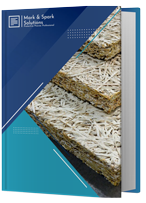
Europe Wood Wool Cement Market Size: Analysis By Product (Hybrid, Non Hybrid), By Application (Ceiling System, Wall System, Acoustic Insulation, Fire Resistance, Thermal Insulation, Others): Europe and Regional Demand Supply Trends and Forecast-2025-2030
Market Outlook
The Wood Wool Cement market was valued at USD 18.1 Million in 2024 and is projected to grow to USD 27.3 Million by 2030, with a compound annual growth rate (CAGR) of 7.21% from 2024 to 2030. The Europe Wool Cement market is centered on the production and use of a unique material that combines wood wool (also known as excelsior) and cement. This eco-friendly composite is gaining popularity for various applications, including insulation panels, soundproofing, and construction components. People value wool cement for its sustainability, fire resistance, and excellent thermal-acoustic performance.

One of the main drivers of this market is the increasing demand for green building materials and energy-efficient solutions, especially as sustainable construction practices gain traction throughout Europe. Strict environmental regulations and building codes are also pushing builders to consider alternative materials like wool cement, which are recyclable. Additionally, the rise in renovation projects in older European buildings is fueling demand, particularly in both residential and commercial sectors.
Despite its benefits, the market faces some challenges. Many people are still unaware of wool cement compared to traditional materials, and its higher initial costs can discourage widespread use. There are also issues with securing a consistent supply of wood wool due to forestry regulations and supply chain problems. The market is quite fragmented, with numerous small players, which leads to a lack of standardization and stiff competition from more established building materials like concrete, gypsum, and fiberglass. Technical limitations, such as lower load-bearing capacity, can also restrict its use in certain structural applications.
Nevertheless, the future of the Europe Wool Cement market looks promising. There’s growing investment in eco-friendly construction technologies and a rising preference among consumers and regulators for low-emission, recyclable materials. With ongoing innovation and efforts to raise awareness, we can expect to see steady growth in this market in the coming years.
Key Insights
In terms of Product, the Hybrid accounted for a major share of 79.49%in 2024. In the Europe Wood Wool cement market, the hybrid segment dominates due to its superior performance characteristics compared to non-hybrid variants. Hybrid Wood Wool cement combines the benefits of traditional cement with enhanced thermal and acoustic insulation, fire resistance, and mechanical strength. This makes it highly suitable for modern construction applications focused on sustainability and energy efficiency. Growing emphasis on green building standards and stringent EU regulations on energy conservation further drive demand for hybrid products. Additionally, increased investments in infrastructure renovation and the preference for long-lasting, multi-functional building materials contribute to the rising adoption of hybrid Wood Wool cement solutions.
Market Dynamics
Drivers:
Increasing demand for green building materials is pushing the adoption of wool cement boards, which are biodegradable and recyclable.
The increasing demand for green building materials in Europe is driving the adoption of wool cement boards, known for their eco-friendly composition and sustainable performance. As governments, industries, and consumers become more environmentally conscious, the construction sector faces pressure to reduce its carbon footprint.
Wool cement boards, made from wood fibers bound with cement, provide a renewable, recyclable, and low-emission alternative to traditional building materials. Their production generally involves fewer toxic chemicals and lower embodied energy compared to synthetic materials like plastic panels or fiberglass insulation. Moreover, the wood used in these boards is often sourced from sustainably managed forests, further enhancing their environmental footprint.
These boards are biodegradable under the right conditions and have a long life cycle, which reduces the need for frequent replacements and minimizes construction waste. European regulations, such as the EU Green Deal and directives promoting nearly zero-energy buildings (nZEBs), are creating an environment where materials like wool cement boards are preferred due to their thermal and acoustic insulation properties, moisture resistance, and fire retardance.
Additionally, these boards contribute to improved indoor air quality thanks to their natural composition and the absence of volatile organic compounds (VOCs), aligning with the growing health and wellness trends in building design. As architects and developers focus on sustainable materials for both new constructions and renovations, wool cement boards are emerging as a versatile and responsible choice that meets performance needs while adhering to stringent environmental standards set by European legislation and green building certifications like BREEAM and LEED.
Cement-bonded wood wool boards can be more expensive than gypsum or plywood alternatives, which may limit uptake in cost-sensitive markets.
Cement-bonded wood wool boards have a lot going for them, like being fire-resistant, providing great thermal insulation, and being environmentally friendly. However, they tend to come with a higher price tag compared to options like gypsum boards or plywood. This is mainly due to the costs associated with sourcing high-quality wood fibers and cement, along with the specialized manufacturing processes involved in making these boards.
For those working on tight budgets—especially in areas where construction costs are closely monitored—this price difference can really hold back the adoption of these boards. Gypsum and plywood are often more affordable and produced in larger quantities, making them more accessible for many developers.
In markets where budget is a major concern, like affordable housing or large public projects, builders might opt for cheaper materials even if it means missing out on the long-term advantages that cement-bonded wood wool boards can offer. So, while these boards are becoming more popular in eco-friendly projects, their cost still makes it tough for them to break into the wider market.
| Key Pointers | Values |
| Report Focus | Europe |
| Largest Region | Europe |
| Base Year | 2024 |
| CAGR % (2025-2030) | 7.21% |
| Forecast Year | 2025-2030 |
| Historical Year | 2015-2023 |
| Market Size in 2023 | USD 18.1 Million |
| Market Size in 2030 | USD 27.3 Million |
| Key Driver & Challenges | The growing demand for sustainable construction materials and wool’s natural insulating properties. Price volatility, availability of raw materials, and the need for specialized processing techniques to integrate wool into cement effectively. |
| Segments Covered | By Product, By Application |
Segmental Analysis
Based on Product, Wood Wool Cement market is segmented into Hybrid, Non Hybrid.

In the European Wool Cement Market, hybrid products are leading the way thanks to their impressive performance and unique benefits compared to traditional options. These hybrid wool cement products mix natural wool fibers with synthetic materials or additives, resulting in a strong and durable material that's resistant to varying weather conditions like moisture and temperature changes. Because of their enhanced insulation, soundproofing, and fire resistance, these hybrid materials are increasingly being chosen for both residential and commercial construction projects.
The rising demand for hybrid wool cement reflects a broader shift towards sustainable building materials that combine both environmental friendliness and practical advantages. By using natural wool fibers, these products align perfectly with the construction industry's movement towards eco-friendly and energy-efficient solutions. Additionally, the hybrid nature of these products allows manufacturers to tailor their properties to meet specific performance needs, giving them an edge in a market that increasingly values high-quality, green building materials.
Hybrid wool cement products are also becoming a favorite in renovation and refurbishment projects, as their versatility and advanced characteristics make them a great fit for modern building needs. As sustainability and energy efficiency continue to influence the construction landscape, hybrid wool cement is expected to remain a dominant player in the European market, driving both growth and innovation in the industry.
| Segments | Values |
| By Application | Ceiling SystemWall SystemAcoustic InsulationFire Resistance Thermal Insulation Others |
Regional Landscape
In the context of regional analysis, the Wood Wool Cement market includes Europe.
The market size of the Europe was valued at USD 18.1 Million in 2024 and is expected to reach USD 27.3 Million by 2030, with a CAGR of 7.21% during the forecast period. The Europe Wool Cement Market has been experiencing significant growth, largely due to the expanding construction sector and a rising awareness of sustainable building materials across the region. Wool cement, which is a mix of cement and wool fibers, is gaining popularity for its exceptional insulation properties and is increasingly embraced in green building practices.

Countries like Germany, France, and the UK, known for their advanced construction industries, are leading the way in using wool cement products. These materials are favored for their superior thermal and acoustic insulation, fire resistance, and overall environmental benefits.
The emphasis on sustainability and energy efficiency in construction is a major driver for this market in Europe. Many countries have implemented strict environmental regulations that make eco-friendly materials, like wool cement, more appealing. In addition, there’s a growing demand for sustainable housing and energy-efficient buildings, which is further propelling the wool cement market. It’s also becoming a popular choice in renovation projects, where improving insulation while maintaining the structural integrity of older buildings is crucial.
Germany stands out as a leader in adopting advanced construction materials, showing a strong demand for wool cement. The Nordic countries are also emerging as important players in this market, focusing heavily on sustainability and eco-friendly construction methods. As Europe moves toward more green building standards, the growth of the wool cement market is expected to continue, supported by regulatory incentives and a collective shift towards sustainable materials.
Competitive Landscape
Some of the major companies operating within the Wood Wool Cement market are: Lonza, Avantor, Alfa Aesar (Thermo Fisher), Merck, SRL, Suzhou Yacoo Science, ANGUS Chemical, ITW Reagents, Promega Corporation, XZL BIO-TECHNOLOGY and Others.