Decoding Diameter Dynamics in the Europe PVC Pipes Market: From Plumbing Scale to Infrastructure Scale Demand
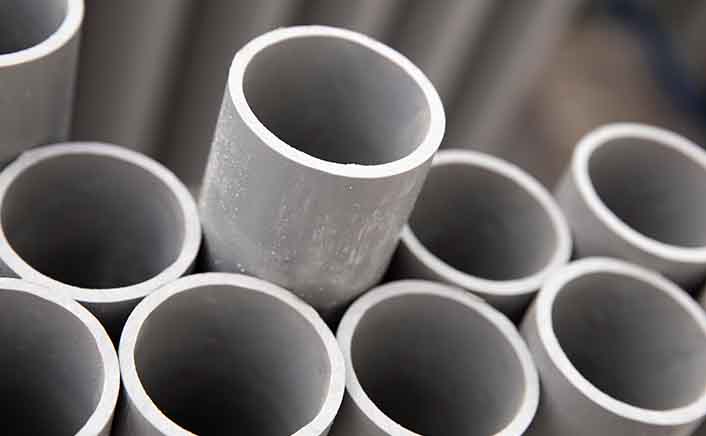
The diameter-wise segmentation of the Europe PVC Pipes Market reveals a structurally imbalanced contribution between volume share, tonnage intensity, and revenue generation. Small-diameter pipes dominate in installed length, while large-diameter pipes disproportionately influence material demand and pricing dynamics. Small-diameter pipes, measuring up to 2 inches, account for approximately 48% of the total market share. They are primarily utilized in residential plumbing, electrical conduits, and light commercial applications. Weighing between 0.4–1.0 kg per meter, these pipes, despite dominating unit volumes and distribution network penetration, contribute relatively little to total tonnage. This discrepancy results in a situation where high-volume consumption does not translate proportionately into revenue growth, particularly in mature plumbing markets like Western Europe, which are often driven by replacement needs.
In contrast, medium-diameter pipes ranging from 2–6 inches hold around 32% market share and represent the most structurally balanced segment in the market. These pipes are extensively used for municipal water distribution, irrigation systems, and localized infrastructure upgrades. With weights between 1.5–5.0 kg per meter, they serve as a vital link between residential-scale demand and large-scale infrastructure deployment. This segment is particularly sensitive to public investment cycles, especially in Southern and Eastern Europe, where EU-funded water management projects and agricultural modernization efforts are fostering stable demand. Unlike small-diameter pipes, medium-diameter pipes contribute significantly to both tonnage and revenue, establishing them as a key stabilizing segment in the overall market structure.
The most critical insight lies in the large-diameter segment, which encompasses pipes above 6 inches. Despite comprising only about 20% of the total market share, this segment has a disproportionately high impact on total material consumption and revenue generation. These larger pipes, typically used in sewerage systems, stormwater drainage, and bulk water transmission, can weigh anywhere from 6–25 kg per meter or more, depending on pressure requirements and wall thickness. Consequently, even slight increases in deployment—such as those driven by urban flood management initiatives or expansions in wastewater treatment—can significantly elevate total market tonnage. Additionally, this segment tends to be less price-sensitive, as procurement decisions are frequently based on long-term infrastructure tenders, where lifecycle costs, durability, and regulatory compliance take precedence over initial pricing.
Another important aspect of diameter segmentation in Europe is the decoupling of tonnage growth from physical pipeline expansion. For instance, a shift toward large-diameter sewer or drainage systems can boost total market volume (in tons) even if the overall installed pipeline length remains stable or declines. This pattern is particularly relevant in mature markets like Germany and France, where the expansion of new pipelines is limited, but the replacement of aging large-diameter infrastructure is accelerating. As a result, analysts focused solely on tonnage data might overestimate actual infrastructure expansion unless they explicitly consider diameter mix.
From a pricing perspective, diameter significantly influences conversion costs and profit margins. Large-diameter pipes require more intricate extrusion processes, higher energy inputs, and stricter quality controls, which elevate conversion costs per ton. However, they also enable manufacturers to achieve higher absolute margins per unit, especially in specialized applications like high-pressure sewer systems. In contrast, small-diameter pipes operate in a competitive environment with narrower margins due to commoditization and distributor-driven pricing pressures.
Overall, the Europe PVC pipes market exhibits a multi-layered demand structure where small-diameter pipes ensure volume stability, medium-diameter pipes provide demand continuity linked to municipal investment, and large-diameter pipes serve as the primary drivers of tonnage and revenue variability. This segmentation highlights the necessity of analyzing diameter mix rather than relying solely on aggregate volume figures. Changes in application focus and infrastructure priorities can significantly alter market dynamics without substantially affecting overall consumption levels.