How Sustainability and Recycling Trends Are Transforming the European Pulp and Paper Industry
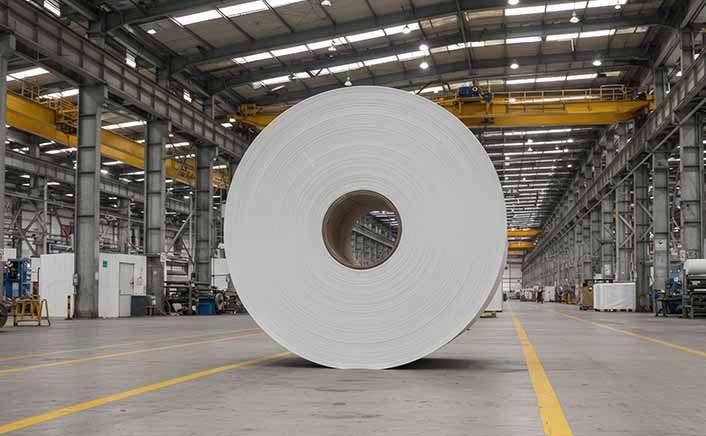
The European pulp and paper market is on a fast track to growth, due to a rising demand for sustainable products and a strong move toward eco-friendly practices. Key players like Germany, Sweden, Finland, and the UK are at the forefront of this trend, supported by their solid industrial foundations and commitment to recycling and sustainable sourcing.
The Europe Pulp and Paper market was valued at USD 68.95 Billion in 2025 and is projected to reach USD 82.06 Billion by 2033, with a compound annual growth rate (CAGR) of 18.70% from 2027 to 2033.
Countries in the region are making significant investments in renewable energy and taking steps to lessen the environmental footprint of pulp and paper production, which is giving them a competitive edge. The surge in demand for packaging materials, especially corrugated cardboard driven by the e-commerce explosion, is also boosting the market in Europe.
The increasing preference for recycled paper and sustainable pulp production methods is in line with Europe’s strict environmental regulations and green policies, spurring innovation within the industry.
Europe's push for sustainable paper production, driven by consumer demand and environmental concerns, promotes the use of recycled materials and renewable energy.
Europe has taken significant steps forward in adopting sustainable practices within the pulp and paper industry. As awareness of environmental issues rises, both consumers and companies in the region are prioritizing eco-friendliness. This shift has led European manufacturers to heavily invest in green technologies, including renewable energy and water conservation efforts, aiming to lessen their environmental impact. The demand for recycled paper products has seen particular growth, emphasizing the importance of reducing raw material usage and minimizing waste. Furthermore, European firms are committed to compliance with stringent environmental regulations, including those aimed at reducing carbon emissions. This dedication to sustainability not only boosts the attractiveness of European products but also paves the way for long-term success in the global marketplace.
Stringent environmental policies in Europe encourage innovation in eco-friendly pulp and paper products, boosting market growth.
European governments and the European Union (EU) have implemented stringent environmental regulations that drive the growth of the pulp and paper market. Policies like the EU Green Deal aim to reduce carbon emissions, promote sustainable practices, and shift towards a circular economy. The EU has also introduced packaging waste regulations that encourage manufacturers to use recyclable materials, further boosting demand for paper-based products. These regulations compel companies to adopt cleaner technologies, recycle more efficiently, and reduce their environmental impact, providing a competitive edge to European producers who meet these requirements. As a result, businesses that align with these regulations experience greater market access, both within Europe and globally, driving growth in the region’s pulp and paper sector.
The rapid growth of e-commerce has significantly increased the demand for paper-based packaging materials like corrugated cardboard.
The rise of e-commerce in Europe has led to a notable increase in the demand for packaging materials, especially paper-based options like corrugated cardboard. As online shopping continues to grow, there’s a greater need for protective and sustainable packaging to safely transport goods. This trend is giving a significant boost to the pulp and paper industry. With businesses and consumers alike focusing more on sustainability, paper-based packaging is gradually taking the place of plastic, which is often viewed as less environmentally friendly. This shift has opened up exciting opportunities for manufacturers in Europe to increase their production of packaging materials. The growth in the e-commerce sector, along with rising awareness of environmental challenges, has spurred the demand for sustainable packaging solutions, greatly benefiting the European pulp and paper market.
Advancements in production technologies, such as digital printing and automation, have enhanced manufacturing efficiency and reduced operational costs in the European pulp and paper sector.
Technological innovation is really shaping the growth of the pulp and paper market in Europe. Manufacturers are starting to embrace things like digitalization and automation to boost their efficiency and cut down on costs. For example, digital printing has transformed the industry by enabling on-demand production and smaller print runs, which is great for meeting today’s consumer needs. Automated production lines are making operations smoother, reducing waste, and enhancing overall productivity.
On top of that, there’s been a strong focus on sustainability. European companies are exploring alternative raw materials and renewable energy sources to lessen their environmental impact. These advancements not only help cut costs but also establish European manufacturers as leaders in producing high-quality, eco-friendly pulp and paper products.
The established and technologically advanced pulp and paper industries in countries like Sweden, Finland, and Germany provide a stable foundation for market growth.
Europe's robust industrial foundation plays a pivotal role in driving growth within the pulp and paper market. Countries like Sweden, Finland, and Germany have a rich history in pulp and paper production, boasting not only a wealth of experience but also the infrastructure and technical know-how that are crucial to this industry. Over the years, these nations have made significant investments to modernize their mills, embracing green technology and focusing on improving production efficiency.
This commitment to innovation and sustainability has positioned Europe as a leader in high-quality paper production. As a result, European manufacturers are able to export a diverse array of paper products to markets around the world.
The strong industrial base in these countries doesn't just stop at production; it also fosters a thriving environment for research and development. Companies are constantly exploring sustainable production methods and creating innovative paper solutions, which is essential for staying competitive in today's market.
In essence, the combination of a rich heritage, advanced manufacturing capabilities, and a forward-thinking approach to sustainability ensures that Europe remains a dominant force in the global pulp and paper industry. This legacy not only contributes to the economy but also upholds a commitment to environmental responsibility, paving the way for future advancements in the sector.
Competitive Landscape
Some of the major companies operating within the Pulp and Paper market are: Stora Enso Oyj, Sappi Ltd., Kimberly-Clark Corporation, UPM-Kymmene Oyj, Nippon Paper Industries Co. Ltd. , International Paper, Georgia-Pacic Corporation, The Smurt Kappa Group, WestRock, Nine Dragon Paper Ltd., Svenska Cellulosa Aktiebolaget (SCA), Oji Holding Corporation and Others.