Europe Miscanthus-Based Packaging Market to Reach USD 267 Million by 2033, Driven by EU Sustainability Regulations and Fiber-Based Packaging Innovation
The Europe Miscanthus-Based Packaging Market is projected to grow from USD 99 million in 2025 to USD 267 million by 2033, registering a CAGR of 13.2% during the forecast period. The market is gaining momentum as packaging manufacturers, retailers, and foodservice operators across Europe accelerate the transition toward renewable and compostable packaging materials amid tightening environmental regulations and growing pressure to reduce plastic waste.
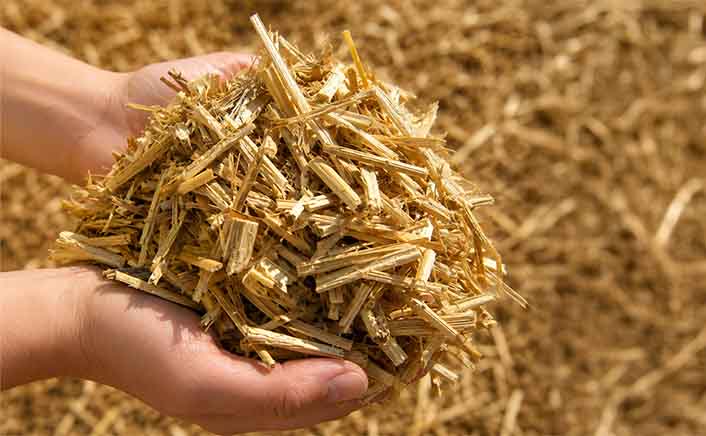
Miscanthus-based packaging uses fibers derived from miscanthus grass, a perennial biomass crop recognized for its high cellulose yield, low agricultural input requirement, and strong carbon sequestration properties. The material is increasingly being integrated into molded fiber packaging, protective packaging inserts, takeaway food containers, and compostable packaging formats as European companies seek alternatives to petroleum-based plastics and conventional virgin pulp products.
Regulatory developments across the European Union strongly influence the market. The Packaging and Packaging Waste Regulation (PPWR), along with the Single-Use Plastics Directive, has intensified demand for recyclable and fiber-based packaging materials. Several European countries have also implemented plastic taxation policies targeting non-recyclable packaging. Spain introduced a plastic packaging tax in 2023, while the UK’s Plastic Packaging Tax has increased cost pressure on manufacturers using low-recycled-content plastic packaging formats.
These regulatory shifts are encouraging foodservice chains, retailers, and FMCG companies to invest in fiber-based alternatives. Supermarket groups, including Carrefour, Aldi, and Tesco, have expanded plastic-reduction initiatives across private-label products and fresh-food packaging. This has created commercial opportunities for agricultural residue-based fiber packaging materials, including miscanthus-derived pulp.
The foodservice sector remains the largest end-user industry in the market due to rising adoption of compostable takeaway containers and molded fiber food trays. Restaurants, cafés, and quick-service chains are increasingly replacing expanded polystyrene and plastic packaging with renewable fiber-based alternatives to comply with local sustainability mandates and consumer expectations. The growth of food delivery and takeaway services across Europe is further supporting demand for compostable packaging formats with improved heat resistance and structural durability.
Protective packaging is another major application area. E-commerce companies and electronics manufacturers are replacing foam-based protective inserts with molded fiber packaging solutions to reduce plastic waste and improve recyclability. Companies such as Amazon and Zalando have increased the use of recyclable fiber-based protective packaging across logistics operations, creating demand for alternative pulp materials that provide cushioning performance while supporting sustainability targets.
Technology innovation is also accelerating market development. Dry-molded fiber manufacturing technologies are gaining attention because they significantly reduce water consumption and energy use compared to traditional wet-molding processes. Swedish packaging technology company Pulpac has expanded partnerships across Europe to commercialize scalable dry-molded fiber packaging systems for foodservice and consumer packaging applications. Several packaging manufacturers are also investing in bio-based barrier coatings to improve grease and moisture resistance without compromising recyclability.
Germany currently represents the leading market within Europe due to its advanced sustainable packaging ecosystem, strong industrial manufacturing base, and growing investments in renewable materials. France, the UK, and the Netherlands are also seeing increasing commercial adoption, supported by sustainability regulations and expanding circular-economy initiatives.
Despite strong growth prospects, the market continues to face challenges related to production scalability and cost competitiveness. Miscanthus processing infrastructure remains limited compared to conventional recycled paper systems, while fiber packaging manufacturers continue to rely heavily on established wood pulp supply chains. In addition, miscanthus-based packaging products often carry higher production costs due to lower economies of scale and fragmented biomass processing networks.
However, long-term market fundamentals remain favorable as European packaging regulations become more stringent and companies intensify efforts to reduce carbon emissions and plastic waste generation. Increasing commercial cultivation of miscanthus across Europe is expected to improve raw material availability and support localized biomass-to-packaging supply chains over the coming years.
Key companies operating in the market include Stora Enso, Huhtamaki, Pulpac, Papacks, and Footprint. These companies are focusing on material innovation, sustainable packaging partnerships, and scalable molded fiber technologies to strengthen their market position in the evolving European sustainable packaging industry.