How Slaughtering & Butchering Drive Efficiency and Volume in Europe’s Meat Processing Industry
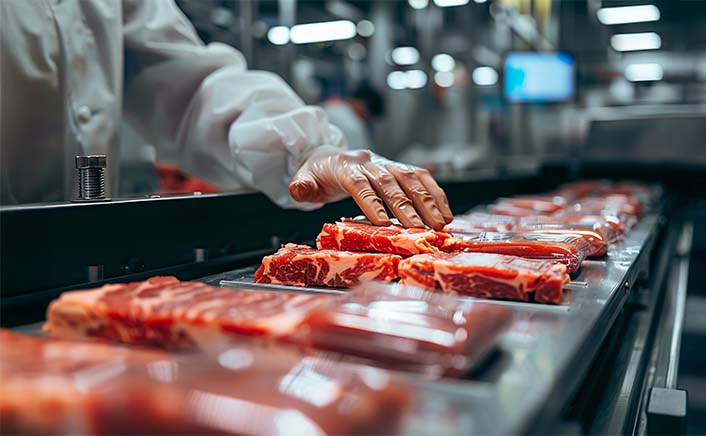
The Europe Meat Processing Market is organized around a series of interconnected process types, each uniquely contributing to the region's overall production, consumption, and value chain dynamics. In 2024, the market is primarily divided into several segments: slaughtering and butchering, grinding and mixing, curing and smoking, packaging and preservation, and cooking/ready-to-eat processing. This structure reflects the complete lifecycle from raw meat procurement to value-added end products. The slaughtering and butchering segment remains foundational, accounting for approximately 25% of the market share. This initial stage involves the preparation of various livestock, including pork, beef, poultry, and lamb, serving as the critical supply source for both fresh and processed meat products.
Europe's industrialized processing infrastructure, particularly in Germany, France, Italy, and Spain, ensures efficient processing of large volumes of raw meat to meet domestic consumption and export demands. High levels of automation, rigorous hygiene practices, and advanced quality control measures support the efficiency and standardization of this process, adhering to stringent EU food safety regulations.
The grinding and mixing segment, representing about 20% of the market, plays a vital role in creating value-added products such as sausages, meat patties, and blended meat offerings. This process allows manufacturers to combine various meat types and incorporate spices, tailoring formulations to meet specific consumer preferences, thereby enhancing the versatility and appeal of meat products. The growth in this segment is driven by increasing demand for processed, ready-to-cook, and convenience-oriented meat items. Automation, high-capacity grinding equipment, and blending technologies enable consistent product quality and efficient scaling of operations. Furthermore, this segment supports product diversification, allowing companies to innovate with functional ingredients and regional flavor profiles that resonate well in Western and Northern European markets.
Curing and smoking, which holds around 18% of the market share, focuses on premium, high-margin products like hams, bacon, and smoked sausages. This segment has experienced steady growth due to rising consumer preferences for value-added and gourmet meat products. Countries such as Italy, Spain, and France lead in this area, utilizing traditional curing methods alongside modern smoking technologies to produce high-quality meats for local and export markets. These processes not only enhance flavor and texture but also improve shelf life, facilitating distribution to supermarkets, hypermarkets, and specialty retail outlets. Cured and smoked products often command higher price points, allowing processors to achieve better profit margins compared to standard fresh meat offerings. Additionally, an emphasis on artisanal quality and regional specialties enhances brand loyalty among consumers seeking authentic European meat products.
The packaging and preservation segment, accounting for approximately 22% of the market, is increasingly crucial for maintaining product quality, safety, and shelf life across national and international supply chains. Techniques such as vacuum packaging, modified atmosphere packaging (MAP), and frozen preservation are widely used to extend freshness, reduce spoilage, and fulfill EU traceability and food safety standards. This segment has seen rapid growth in response to the rise of modern retail channels and e-commerce platforms. Innovations in packaging not only bolster product convenience but also facilitate value-added differentiation, including ready-to-cook and pre-portioned items. The integration of sustainable packaging solutions is becoming more essential, as European consumers and regulators prioritize environmentally friendly practices.
Lastly, the cooking and ready-to-eat (RTE) processing segment, which represents approximately 15% of the market share, is the fastest-growing due to changing consumer lifestyles. Factors such as urbanization, dual-income households, and time constraints have increased demand for RTE products, including cooked meats, pre-cooked sausages, and fully packaged meals. This segment focuses on convenience, safety, and flavor, necessitating specialized cooking, chilling, and packaging technologies to uphold quality and ensure food safety. The growth of online grocery platforms and modern retail networks has further accelerated this segment, providing consumers with easy access to convenient, pre-prepared meat products. Processors in this segment are also innovating with ethnic flavors, functional ingredients, and healthier options to cater to a more health-conscious audience.
In summary, the Europe Meat Processing Market illustrates a balanced ecosystem where foundational processes significantly support the region's meat industry growth and diversification.