Europe Hydrogen Truck Market to Reach USD 3.19 Billion by 2033 Amid Freight Decarbonization Initiatives and Hydrogen Infrastructure Expansion
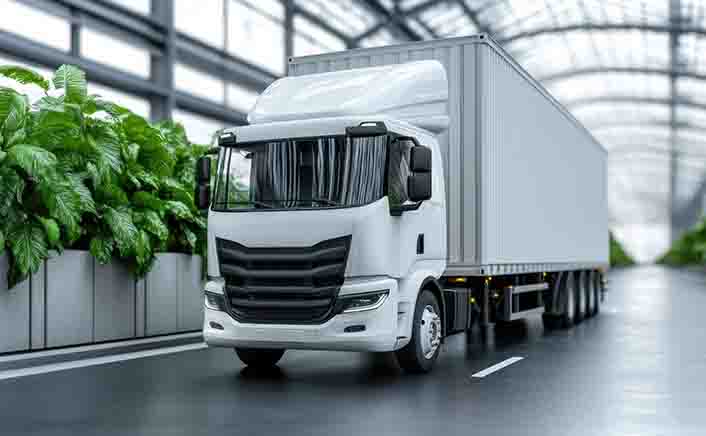
The European hydrogen Truck Market is entering a period of accelerated growth as governments, logistics operators, truck manufacturers, and energy companies intensify investments in zero-emission freight transportation. The market was valued at USD 0.28 Billion in 2025 and is projected to reach USD 3.19 billion by 2033, registering a CAGR of 35.5% during the forecast period.
Hydrogen trucks utilize fuel cell systems or hydrogen-powered internal combustion engines to provide long-range, zero- or low-emission transportation solutions for commercial freight applications. Technology is gaining traction across Europe as logistics companies seek alternatives to diesel-powered fleets while meeting operational requirements for driving range, payload capacity, and refueling speed. Hydrogen-powered vehicles are increasingly viewed as a strategic solution for heavy-duty transportation routes where battery-electric alternatives may face limitations.
The market recorded sales of 900 hydrogen trucks in 2025 and is forecast to reach 10,450 units sold by 2033. Growth is being driven by tightening European emissions regulations, expanding hydrogen refueling infrastructure, increasing fleet decarbonization commitments, and substantial public and private investment in hydrogen ecosystems. As governments continue to implement climate-neutral transportation strategies, hydrogen trucks are expected to play an increasingly important role in achieving long-term emissions-reduction targets.
Germany currently represents the largest market in Europe due to its leadership in hydrogen infrastructure deployment, industrial decarbonization initiatives, and government support programs. The country continues to invest heavily in hydrogen mobility projects and cross-border transportation corridors. France, the Netherlands, Norway, and Sweden are also witnessing significant market activity as national hydrogen strategies encourage investment across production, infrastructure, and vehicle deployment.
Infrastructure development is emerging as the most important factor supporting market expansion. Hydrogen refueling networks are gradually expanding across major freight corridors connecting industrial centers, ports, and logistics hubs. Several European initiatives focus on establishing reliable hydrogen transportation routes to support commercial fleet operations across multiple countries. These projects are helping reduce range anxiety and creating favorable conditions for larger-scale vehicle adoption.
Technology innovation continues to improve the commercial viability of hydrogen trucks. Fuel cell systems are becoming more efficient, durable, and cost-effective, enabling manufacturers to enhance vehicle performance while reducing total operating costs. Advances in hydrogen storage technologies are also increasing driving range and improving payload efficiency, making hydrogen-powered vehicles increasingly attractive for long-haul freight applications.
Fuel Cell Electric Trucks currently account for the largest share of the market due to strong OEM investments and favorable regulatory support. Leading truck manufacturers are prioritizing fuel cell development programs and expanding pilot deployments across Europe. At the same time, Hydrogen Internal Combustion Engine Trucks are emerging as a fast-growing segment, offering fleet operators an alternative pathway to hydrogen adoption while leveraging existing engine manufacturing capabilities.
Long-haul freight transportation remains the dominant application segment because hydrogen technology offers significant advantages in routes requiring extended operating range and rapid refueling. However, regional distribution logistics is emerging as one of the fastest-growing applications as infrastructure availability improves and vehicle deployment expands into new operating environments.
The market is also benefiting from increasing investments in renewable hydrogen production. Europe continues to expand electrolyzer capacity and green hydrogen projects to support industrial decarbonization and transportation applications. Improved hydrogen availability is expected to strengthen the economics of fuel cell transportation while enhancing the environmental benefits associated with hydrogen-powered freight movement.
The competitive landscape remains relatively concentrated, with major participants including Daimler Truck, Volvo Trucks, IVECO Group, MAN Truck & Bus, Hyundai Motor Company, and Renault Trucks. Companies are increasingly focusing on strategic partnerships, infrastructure collaborations, technology development, and pilot deployment programs to strengthen their market positions. Collaboration between vehicle manufacturers, hydrogen suppliers, and infrastructure developers has become a defining characteristic of industry growth.
Looking ahead, continued infrastructure expansion, regulatory support, and technology improvements are expected to drive sustained market growth across Europe. As hydrogen production scales and refueling networks become more accessible, commercial fleet operators are expected to accelerate adoption of hydrogen-powered transportation solutions. The transition toward zero-emission freight mobility is positioning hydrogen trucks as a critical component of Europe’s long-term transportation decarbonization strategy and a key growth opportunity within the broader clean mobility ecosystem.