Europe High Pressure Grinding Roller Market Trends Driven by Industrial Energy Efficiency Goals
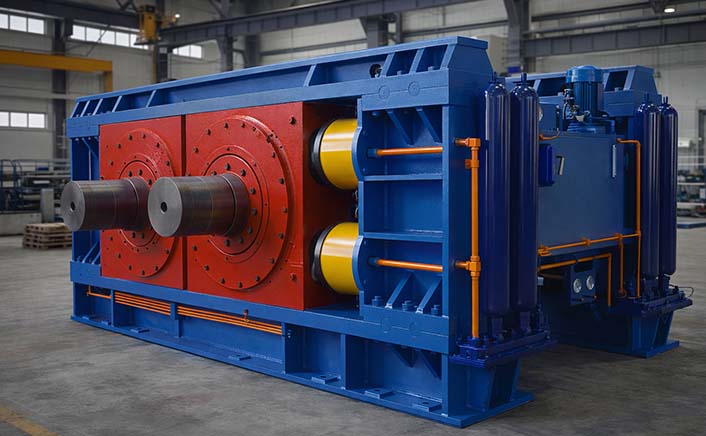
“The European high pressure grinding roller market is currently experiencing steady growth, propelled by a strong focus on energy-efficient industrial processes and sustainable manufacturing practices. High pressure grinding rollers (HPGR) are becoming increasingly common in the mining, cement, and mineral processing sectors, as they significantly reduce energy consumption and enhance grinding efficiency when compared to traditional milling technologies.
The European Union's stringent environmental regulations and carbon reduction goals are encouraging industries to implement advanced grinding solutions that lower operational emissions and energy costs. Key players in this market include countries like Germany, the United Kingdom, and France, known for their robust cement production, mining operations, and industrial infrastructure.
In addition, the modernization of cement plants and heightened investments in infrastructure projects are contributing to the rising demand for HPGR systems throughout Europe. Technological advancements, including automation, digital monitoring, and the development of improved wear-resistant roller materials, are further enhancing operational reliability and productivity, thus supporting market growth. As the focus on process optimization and sustainable mineral processing continues across Europe, the high pressure grinding roller market is expected to witness stable growth in the foreseeable future. "
The Europe High Pressure Grinding Roller market was valued at USD 0.15 Billion in 2025 and is projected to reach USD 0.24 Billion by 2033, with a compound annual growth rate (CAGR) of 20.12% from 2026 to 2033.
Moreover, Europe's emphasis on innovation and technology is paving the way for faster adoption of HPGR systems in mineral processing. Countries like Germany, Sweden, and Finland, known for their robust mining industries, are heavily investing in advanced grinding technologies to boost productivity and cut operational costs.
Additionally, the increasing demand for metals and minerals, especially driven by the shift toward renewable energy think lithium, copper, and rare earth elements is further fueling the adoption of HPGR. All these factors combined make Europe a significant player in the global HPGR market, leading the way in both adoption rates and technological progress.
European regulations push industries to reduce energy use and carbon emissions, making HPGR a more energy-efficient grinding method an attractive option.
Europe is recognized for its strong commitment to environmental sustainability, placing significant pressure on industries to cut down their carbon emissions. The European Union's Green Deal and various climate regulations are pushing companies to embrace more sustainable practices. This shift is particularly relevant for mining and cement industries, which are now looking to switch to energy-efficient technologies.
High-Pressure Grinding Rolls (HPGRs) stand out in this context because they use much less energy and produce fewer emissions than traditional milling methods, making them a perfect fit for these new requirements. HPGRs also help minimize dust and noise, which are important factors for meeting environmental standards in Europe.
While these regulations can pose challenges, they also drive innovation and encourage companies to adopt new technologies. Businesses that don't keep up with modernization risk facing fines and could fall behind their competitors. Consequently, many mining and processing operations across Europe, especially in countries like Germany and those in Scandinavia, are opting to upgrade their traditional systems to HPGRs.
The EU’s focus on sustainability and energy efficiency encourages the adoption of HPGR systems, which consume less power compared to traditional milling technologies.
Europe is increasingly prioritizing energy efficiency as a key part of its industrial policy. With rising energy costs, particularly due to recent geopolitical tensions and supply chain issues, many industries are on the lookout for technologies that can help them cut down on energy consumption. High-Pressure Grinding Rolls (HPGRs) have emerged as a game-changer, often using 20–50% less energy compared to traditional grinding systems. This is especially crucial in energy-intensive sectors like cement and mining.
As countries work to lessen their reliance on fossil fuels and move towards greener energy sources, managing on-site energy demand is becoming essential. HPGRs play a significant role here by operating at lower pressures and achieving superior grinding results. This not only helps companies save on electricity bills but also makes them eligible for energy efficiency incentives and grants under EU policies.
Moreover, energy efficiency is closely linked to Environmental, Social, and Governance (ESG) goals, a factor that investors are increasingly considering. Businesses that adopt HPGRs are seen in a better light when it comes to sustainability, making it easier for them to secure funding and partnerships. As a result, the push for energy-efficient solutions is driving the fast growth of HPGR technology across Europe.
Increasing demand for critical minerals such as lithium, cobalt, and rare earth elements (essential for EVs and renewable energy) is driving mining investments in Europe, boosting HPGR use.
Interest in critical and strategic minerals like lithium, nickel, and rare earth elements is booming in Europe, thanks to the rapid growth of the electric vehicle (EV) market and renewable energy initiatives. These minerals are crucial for making batteries, wind turbines, and solar panels. To lessen their dependence on imported raw materials, European countries are investing heavily in domestic mining projects. This revival in mining is particularly noticeable in nations like Finland, Sweden, and Portugal.
One of the exciting developments in this area is the use of High Pressure Grinding Rolls (HPGRs) in hard rock mining. These machines are more energy-efficient and cause less wear and tear than traditional crushers, making them an attractive option for the industry. As new mining ventures begin and existing operations expand, there’s a clear trend towards adopting more sustainable and efficient technologies.
HPGRs also play a significant role in improving recovery rates during mineral processing, which is essential for getting the most out of Europe’s relatively smaller ore deposits. With government support through funding and streamlined permitting, the increasing scale and complexity of mining operations are creating a strong demand for HPGRs. This momentum is likely to persist as Europe enhances its green transition and develops its own supply chains for vital raw materials.
Europe’s strong R&D infrastructure supports innovation in grinding technology, including automation and digital monitoring of HPGR systems, enhancing their appeal.
Europe has established itself as a frontrunner in industrial innovation, especially in the realm of materials processing technology. Recent advancements in High-Pressure Grinding Rolls (HPGR) have significantly improved their design, incorporating features like wear-resistant rollers, automated pressure control, and digital integration. These improvements have made HPGR systems more reliable, efficient, and adaptable to various conditions.
Many European companies are embracing the principles of Industry 4.0, utilizing smart sensors and real-time monitoring to enhance grinding operations. This technology helps minimize downtime, supports predictive maintenance, and allows for remote diagnostics particularly beneficial for mining facilities located in remote areas.
Top equipment manufacturers in Europe are also focusing on creating tailored HPGR solutions that cater to different types of ores and specific processing requirements. The rise of accessible advanced training and technical support is further encouraging the adoption of these technologies.
Moreover, collaborations among universities, research institutes, and private companies are driving research and development in next-generation grinding technologies, including hybrid systems that blend HPGR with other methods. Thanks to Europe's robust engineering background and commitment to performance optimization, it has become a hotspot for HPGR innovation.
As these technological advancements continue to cut operating costs and enhance product quality, more companies in Europe are opting to replace traditional milling equipment with HPGRs. This shift not only helps them remain competitive but also supports their sustainability goals.
Aging cement and mineral processing plants across Europe are being upgraded, and HPGR systems are being installed to improve performance and lower operating costs.
Many cement and mineral processing plants in Europe are getting on in years and are in urgent need of significant upgrades. These older facilities often deal with issues like inefficiency, high energy consumption, and maintenance headaches. Instead of pouring more money into outdated equipment, many operators are opting to modernize their operations by introducing advanced technologies, such as High-Pressure Grinding Rolls (HPGR).
HPGRs are particularly well-suited for retrofitting because they bring immediate benefits, including energy savings, increased throughput, and better operational efficiency. Various modernization initiatives across the EU, often backed by public-private partnerships, are motivating companies to embrace these advancements. Plus, modernizing aligns with environmental, social, and governance (ESG) goals as well as the EU's sustainability criteria, which can help companies secure green financing.
In the cement sector, more and more companies are adopting HPGRs to enhance clinker grinding, cut down on emissions, and meet tighter performance standards. As businesses aim to extend the lifespan and profitability of their facilities, integrating HPGR systems is proving to be a smart, cost-effective strategy for future-proofing their operations. This push to renew infrastructure across Europe is fueling the rapid uptake of high-pressure grinding technology in the region.
Competitive Landscape
Some of the major companies operating within the High Pressure Grinding Roller market are: FLSmidth A/S, Metso, KHD Humboldt Wedag, The Weir Group PLC, TAKRAF GmbH, Köppern, Cast Steel Products and Others.