Europe Heat Pump Market by Product Type: Dominance of Air Source Systems with Growing Adoption of Ground and Water Source Technologies
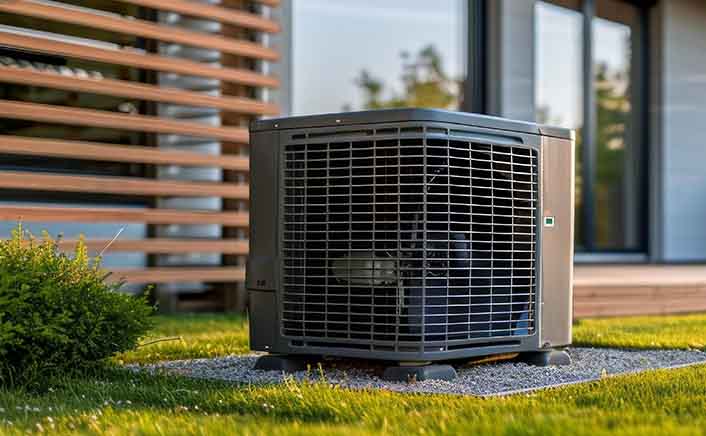
The product type segmentation of the European Heat Pump Market illustrates the significant dominance of air source heat pumps, which represent approximately 78% of total installations. This strong lead primarily results from their cost-effectiveness, ease of installation, and suitability for a wide range of residential applications. Homeowners have increasingly favored air source systems, particularly air-to-water variants, due to their relatively lower upfront costs compared to other technologies. Installation costs for air source heat pumps tend to be 30% to 50% lower than those of ground source systems, making them more accessible to a broader consumer base. Additionally, these systems can be installed without extensive groundworks, resulting in reduced installation time and complexity. As a consequence, countries such as France, Germany, and the United Kingdom have seen substantial adoption, with air source heat pumps accounting for the majority of annual installations. The rapid expansion of residential retrofitting programs and government subsidies further solidifies their dominance, especially as Europe aims to install up to 60 million heat pumps by 2030.
Ground source heat pumps, which hold a 14% market share, represent a smaller yet technologically advanced segment within the European heat pump market. These systems provide higher efficiency levels, often achieving coefficients of performance exceeding 4.0, compared to the typical range of 2.5 to 3.5 for air source systems. This means they can generate four units of heat for every unit of electricity consumed, making them highly appealing for long-term energy savings. However, their adoption is limited by high installation costs, which can be two to three times higher than those of air source alternatives, as well as the need for sufficient land area for ground loops or boreholes. Despite these hurdles, ground source heat pumps are gaining traction in colder climates, such as Scandinavia, where stable underground temperatures ensure consistent performance. For instance, Sweden has achieved penetration rates exceeding 60% in certain residential segments, showcasing the viability of this technology under favorable conditions.
Water source heat pumps, holding the smallest market share at 8%, reflect niche applications that depend on specific geographical circumstances. These systems utilize nearby water bodies such as lakes, rivers, or groundwater sources for heat exchange, offering high efficiency comparable to ground source systems. In some scenarios, water source heat pumps can achieve efficiencies above 4.5, positioning themselves as among the most efficient heating solutions available. However, their deployment is often hampered by regulatory constraints, environmental factors, and the availability of suitable water sources, making them more prevalent in commercial, industrial, or district heating applications rather than individual residential settings. Several European cities have begun integrating water source heat pumps into district heating networks, leveraging rivers or wastewater systems for sustainable heating solutions at scale.
The overall distribution of product types within the European heat pump market reflects a clear trade-off between cost, efficiency, and application suitability. While air source heat pumps lead in terms of affordability and scalability, ground and water source systems are designed for high efficiency and specialized applications. Technological advancements are gradually bridging the performance gap between these categories, with modern air source systems now operating efficiently even at temperatures as low as minus 20 degrees Celsius. This development is expanding their applicability in colder regions, further strengthening their market position. Concurrently, innovations in drilling techniques and system design are helping to reduce the installation costs of ground source systems, potentially leading to increased adoption in the coming years.
Policy support remains critical in shaping this segmentation. Many European governments offer higher subsidies for ground and water source systems due to their superior efficiency and long-term environmental benefits. However, the simplicity and lower initial investment required for air source systems often outweigh these incentives for many consumers. As energy prices continue to be volatile and sustainability targets become increasingly stringent, demand for all three product types is expected to grow, albeit at different rates. In conclusion, this product type segmentation highlights the dynamic and evolving nature of the European heat pump market, where affordability, efficiency, and regulatory support collectively influence adoption patterns and future growth trajectories.