Europe Green Building Insulation Materials Market Set to Expand as Policy Mandates and Energy Costs Reshape Construction Priorities
The European Green Building Insulation Materials Market is entering a structurally driven growth phase, as regulatory mandates and energy cost pressures are accelerating demand for energy-efficient construction solutions. Valued at USD 14.0 billion in 2025, the market is projected to reach USD 23.6 billion by 2033, reflecting sustained adoption across residential, commercial, and industrial sectors.
Green building insulation materials are critical for reducing heat loss, improving energy efficiency, and lowering carbon emissions in buildings. In Europe, where buildings account for nearly 40% of total energy consumption, insulation is emerging as one of the most effective and scalable ways to meet decarbonization targets. Market expansion is closely tied to policy frameworks rather than cyclical construction trends, creating a stable and predictable demand environment.
Regulatory Push Driving Market Expansion
The European Union’s Energy Performance of Buildings Directive (EPBD) and the Renovation Wave initiative are central to market growth. With a target to renovate 35 million buildings by 2030, the EU is effectively mandating large-scale insulation upgrades across aging infrastructure. A significant share of Europe’s building stock was built before modern energy-efficiency standards, creating a substantial retrofit opportunity.
National-level policies are reinforcing this trend. Countries such as Germany and France are offering financial incentives that cover a significant share of insulation costs, encouraging homeowners and developers to adopt energy-efficient solutions. These measures are not only accelerating adoption but also making insulation upgrades a compliance requirement rather than an optional investment.
Energy Economics: Strengthening the Business Case
Rising energy prices across Europe have significantly improved the return on investment for insulation projects. In several markets, the payback period for residential insulation upgrades has fallen below seven years, making these upgrades financially attractive for property owners. This shift in economics is particularly evident in countries heavily affected by energy price volatility, where insulation demand has increased in direct response to higher heating costs.
The combination of regulatory enforcement and improved cost economics is creating a demand environment in which insulation solutions are being prioritized across both new construction and renovation projects.
Material Innovation and Sustainability Trends
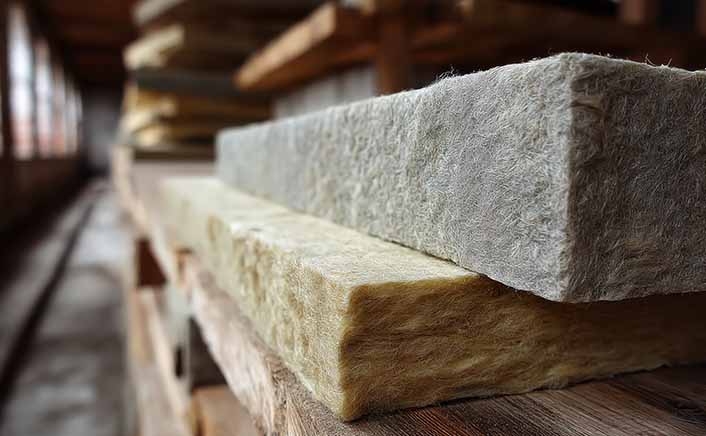
The market is gradually shifting toward high-performance, sustainable insulation materials. Mineral wool continues to dominate because of its fire resistance and regulatory compliance advantages, while expanded and extruded polystyrene remain widely used in cost-sensitive applications. At the same time, polyurethane-based insulation is gaining traction in commercial buildings where space efficiency and thermal performance are critical.
Sustainability considerations are driving growing interest in bio-based insulation materials such as wood fiber and cellulose. These materials offer lower embodied carbon and align with Europe’s broader environmental objectives. Manufacturers are investing in product innovation to improve performance while meeting stricter environmental standards, making sustainability a key competitive factor in the market.
Regional Dynamics Reflect Policy and Climate Differences
Market demand across Europe varies significantly with regulatory intensity and climatic conditions. Germany leads the market, supported by strong policy frameworks and extensive subsidy programs. France and the United Kingdom follow, driven by large-scale residential retrofit initiatives and rising energy costs.
Nordic countries, despite smaller populations, show high per-building insulation spending due to extreme weather. Meanwhile, Southern and Eastern Europe are emerging as growth areas as regulatory frameworks strengthen and adoption rates rise. This regional variation underscores the importance of policy alignment and economic incentives in shaping market demand.
Competitive Landscape Focused on Performance and Compliance
The market features a mix of global and regional players competing on product performance, sustainability, and regulatory compliance. Leading companies, including Saint-Gobain, Rockwool, and Kingspan Group, are strengthening their positions through innovation and expansion of their high-performance product portfolios. Companies are increasingly focusing on low-carbon materials and energy-efficient manufacturing processes to align with evolving market requirements.
Outlook
The European Green Building Insulation Materials Market is expected to maintain steady growth as regulatory mandates, energy-efficiency goals, and sustainability priorities continue to shape construction practices. Positioned at the intersection of policy, economics, and environmental impact, the market is set to play a critical role in Europe’s transition to a low-carbon built environment.