Rising Urbanization, Compact Living Spaces, And Evolving Garment Care Preferences Are Driving Demand For Garment Steamers Across Europe.
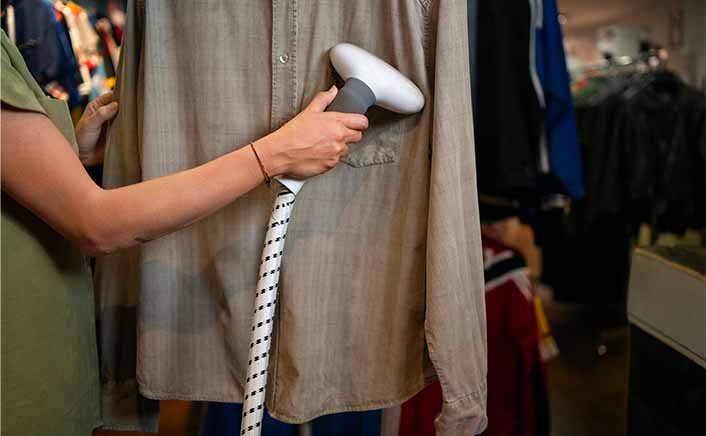
The European Garment Steamer Market is growing steadily, driven by shifts in household lifestyles, rising demand for convenient fabric care options, and the widespread adoption of small home appliances in urban areas. Garment steamers are shifting from being seen as just supplementary to traditional irons to being practical, time-saving devices tailored for modern European living. As consumers focus on ease of use, fabric safety, and space efficiency, garment steamers are becoming an essential part of daily garment maintenance rather than occasional tools.
The European garment steamer market was valued at USD 0.83 billion in 2025 and is projected to reach USD 1.49 billion by 2033, with a CAGR of 7.6%. Market growth is driven by ongoing replacement demand, increased use of handheld steamers, and the growth of online retail channels. Unlike rapidly evolving consumer electronics, garment steamers exhibit predictable replacement cycles and stable household spending, thereby ensuring consistent revenue for manufacturers and distributors.
Demand in Europe is primarily driven by residential end users, who account for the largest share of market value. Urban households, rental properties, and smaller living spaces throughout Western and Northern Europe continue to prefer compact handheld steamers for quick garment refreshment, as bulky equipment is not feasible. There is also commercial demand, especially from apparel retailers, hospitality businesses, and garment care services that depend on steamers for routine fabric maintenance and presentation.
Product innovation continues to drive market growth, with manufacturers emphasizing faster heat-up times, more consistent steam output, safer features, and lighter designs for better usability and durability. Handheld garment steamers remain the most popular, owing to their affordability and portability, although premium models with higher performance and longer lifespans are increasingly common. Standing garment steamers serve niche professional and high-use markets but account for a smaller share of total demand.
Distribution dynamics in Europe's garment steamer market are changing. Online channels are capturing a larger share thanks to broader product selection, competitive prices, and growing consumer confidence in buying small appliances online. Meanwhile, offline specialty retailers and appliance stores continue to play a key role in the sale of premium products, where in-store demonstrations and after-sales support influence consumer choices. This dual-channel approach enables both volume growth and value generation across various consumer segments.
Regional demand is highest in Western Europe, fueled by higher disposable incomes, strong brand recognition, and shorter appliance replacement cycles. Northern Europe also shows steady demand for durable, energy-efficient appliances. Meanwhile, Southern and Eastern Europe are experiencing faster volume growth due to increased e-commerce penetration and the expansion of international brands. As lifestyle trends and replacement cycles influence the market, garment steamers are likely to keep growing steadily across Europe, providing ongoing opportunities for manufacturers focused on product differentiation, channel strategy, and premium offerings.