Application Wise Insights into Europe Fly Ash Concrete Market Covering Roads Marine and Precast Segments
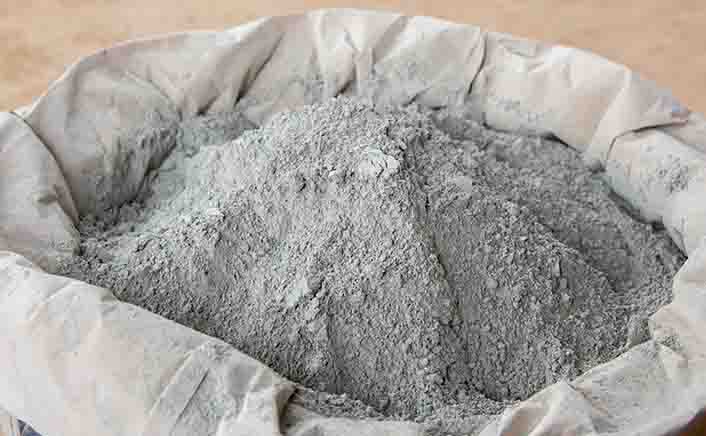
The Europe Fly Ash Concrete Market presents a well-diversified demand landscape, with structural concrete emerging as the leading segment, accounting for approximately 28 percent of total consumption. This prominence is closely connected to ongoing urbanization and infrastructure modernization efforts across Europe. Fly ash is extensively utilized in residential buildings, commercial complexes, and bridges, primarily due to its capability to enhance long-term strength and reduce permeability. In structural applications, the substitution levels of fly ash typically range between 15 and 35 percent of cement content, resulting in potential CO? emission reductions of up to 30 percent while still maintaining performance standards. This characteristic makes fly ash a preferred material for projects aimed at obtaining green building certifications and fulfilling public infrastructure mandates.
Following closely is the ready-mix concrete segment, which commands a 22 percent share. Ready-mix concrete plays a crucial role in large-scale construction due to its efficiency, consistency, and reduced on-site labor requirements. The adoption of ready-mix concrete throughout Europe has been growing at an estimated annual rate of 5 to 6 percent, further bolstering its contribution to the overall fly ash concrete market.
Road and pavement concrete represents roughly 16 percent of the market, reaping the benefits of fly ash’s ability to improve durability, minimize cracking, and enhance resistance to freeze-thaw cycles factors critical to European climates. The incorporation of fly ash in road construction can prolong pavement life by 20 to 25 percent, leading to lower maintenance costs and lifecycle expenses. Precast concrete products account for 14 percent of the market, driven by growing demand for prefabricated construction solutions that facilitate faster project completion and enhanced quality control. Within precast applications, fly ash improves surface finish and dimensional stability, making it suitable for components like panels, beams, and pipes.
Mass concrete applications, such as those used in dams and large foundations, hold a 12 percent share. Here, fly ash is especially beneficial for controlling heat of hydration, as it reduces peak temperatures during curing, thus minimizing the risk of thermal cracking an essential consideration in large-volume pours where structural integrity is paramount. The marine and coastal concrete segment, despite being the smallest at 8 percent, plays a strategically important role in the fly ash concrete market. The material’s superior resistance to chloride ingress and sulfate attack is vital for structures exposed to harsh marine conditions, such as ports and coastal defenses. Fly ash can decrease chloride permeability by up to 50 percent, significantly extending the service life of marine infrastructure.
Across all applications, the Europe fly ash concrete market reflects a strong alignment between performance requirements and sustainability goals. While the structural and ready-mix concrete segments provide volume stability due to their widespread usage, specialized applications such as marine and mass concrete showcase the technical advantages of fly ash in demanding environments. The growing emphasis on lifecycle cost optimization and carbon reduction is expected to further promote the adoption of fly ash across all segments.
In summary, the segmentation indicates that the Europe fly ash concrete market is driven not only by traditional construction demand but also by an increasing need for durable, cost-effective, and environmentally sustainable materials. With projected steady growth in infrastructure investments across the region and intensifying regulatory pressure, the role of fly ash in enhancing concrete performance while minimizing environmental impact will remain central to market expansion. This balanced application mix ensures resilience in demand while supporting the long-term transition toward greener construction practices.