From Tulips to Hydrangeas: How Seasonal and Premium Blooms Shape Europe’s Floriculture Landscape
The European floriculture Market is characterized by a well-defined hierarchy of flower types, influenced by cultural preferences, gifting traditions, production capabilities, and supply chain efficiencies throughout the region. Roses constitute approximately one-third of the total market share and serve as the cornerstone of floral consumption in Europe. Their dominance stems from their universal symbolic value, making them the preferred choice for gifting on occasions like Valentine’s Day, anniversaries, and personal celebrations. The availability of roses throughout the year is supported by a highly integrated global supply chain sourcing from Africa and Latin America, in addition to advanced greenhouse production in the Netherlands. Their extensive color range, long vase life, and adaptability to premium bouquet formats ensure continuous demand across personal, commercial, and event-based applications.
Europe floriculture market recorded a sale of 20 billion units (cut flowers + potted plants) in 2024 and is estimated to reach 27.9 billion units by 2033 with a CAGR of 3.8% during the forecast period.
Chrysanthemums represent the second-largest flower category in Europe, propelled by high-volume, everyday consumption. Their popularity is attributed to their durability, extended vase life, and cost efficiency, establishing them as a staple in supermarkets, for memorial usage, and large-scale arrangements. Furthermore, chrysanthemums are extensively cultivated within Europe, which diminishes reliance on imports and fosters stable pricing. Their functional value positions them as a reliable base flower in mixed bouquets, bridging the premium and mass segments of the market.
Tulips occupy a distinct niche in the European floriculture landscape, closely linked to the Netherlands and seasonal spring demand. Although they hold a smaller overall market share compared to roses and chrysanthemums, their cultural significance and visual appeal position them as a high-impact seasonal category. Demand for tulips increases during spring festivals and gifting periods, which contributes to notable seasonality in both volume and pricing. This category underscores the importance of local European production, particularly in bulb cultivation, while also illustrating how seasonality influences consumer behavior and retail strategies.
Lilies and gerberas maintain a strong mid-tier position in the market, each catering to specific consumer needs. Lilies are frequently associated with premium events, weddings, religious ceremonies, and formal arrangements, benefiting from their size, fragrance, and visual impact. In contrast, gerberas appeal to a more casual and contemporary preference, driven by their bright colors and affordability. Both flower types are well-suited for European greenhouse production, guaranteeing consistent quality and supply while fostering moderate premiumization.
Carnations, despite being sometimes viewed as traditional or budget-oriented, continue to play a significant role in Europe’s floriculture market owing to their versatility and resilience. They are widely utilized in large-scale events, public functions, and cost-effective arrangements, offering long vase life and strong transport tolerance. Carnations serve as a crucial volume stabilizer, particularly in Southern Europe and export markets, reinforcing their relevance despite changing consumer preferences.
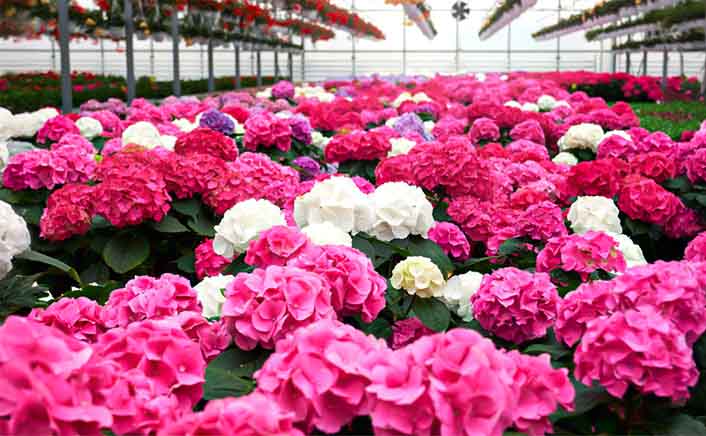
Hydrangeas and freesias represent more specialized and premium segments, appealing to consumers seeking differentiation and sensory appeal. Hydrangeas are especially popular in weddings and decorative arrangements due to their fullness and color variety, whereas freesias are valued for their fragrance and elegance. Although these categories account for smaller volumes, they contribute disproportionately to overall value by supporting higher price points and enhancing premium bouquet offerings.
Texas Bluebell and other filler or specialty flowers play a complementary yet vital role in bouquet construction. While each accounts for a minor market share individually, they enhance visual depth and texture, allowing florists to differentiate their designs and manage cost structures effectively. The “other flower types” category, which includes orchids, peonies, alstroemeria, and emerging niche varieties, reflects a growing consumer interest in novelty, sustainability, and seasonal authenticity.
Overall, the flower-type segmentation of the European floriculture market illustrates a balanced ecosystem where high-volume staples coexist with seasonal and premium specialties. Roses and chrysanthemums anchor market stability, while tulips, lilies, and hydrangeas contribute to seasonal excitement and value growth. Specialty and filler flowers enhance design flexibility and innovation, catering to evolving consumer preferences. This diversified mix of flowers strengthens market resilience, enabling the European floriculture industry to adapt to shifting trends, economic cycles, and sustainability expectations while maintaining consistent growth and broad consumer appeal.