High-Grade and Customized Compound Fertilizers Boosting Europe’s Agricultural Productivity and Sustainability
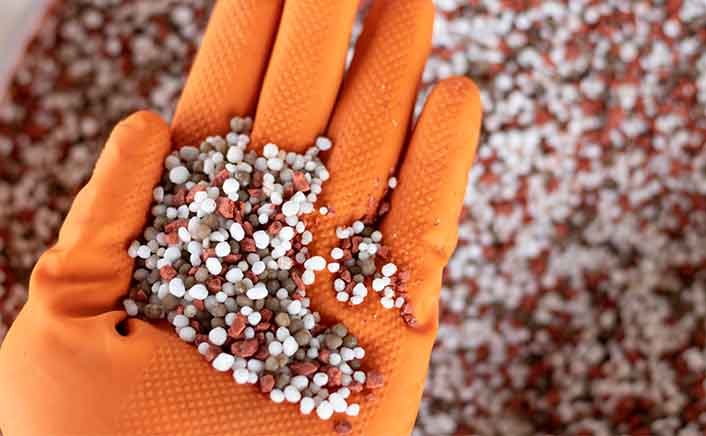
The Europe compound fertilizers market is currently experiencing significant growth, driven by rising demands for agricultural productivity, sustainable nutrient management practices, and changing crop patterns throughout the region. A key factor in market segmentation is nutrient grade, which greatly impacts fertilizer selection, pricing, and adoption rates. Medium-grade compound fertilizers, characterized by an NPK content of 20-40%, hold a dominant market share of approximately 45%. These fertilizers are particularly favored for staple crops such as wheat, maize, barley, and oilseeds, especially in major European producers like Germany, France, and Italy. Medium-grade fertilizers effectively deliver essential nitrogen, phosphorus, and potassium, supporting vital stages of plant growth while aligning with EU directives that promote balanced fertilization to safeguard soil health and prevent nutrient leaching.
High-grade fertilizers, containing over 40% NPK, account for around 37% of the market, primarily targeting high-value crops, horticulture, and greenhouse operations where precision nutrient application is crucial. Countries such as the Netherlands, Germany, and Italy, known for their advanced farming practices, increasingly adopt these fertilizers. High-grade compounds enhance crop yields while minimizing the overall volume of fertilizer needed, driving cost savings and fostering environmental sustainability through fewer applications and better alignment with plant growth needs.
Low-grade fertilizers, with less than 20% NPK content, represent about 18% of the market and are utilized primarily in regions practicing lower-input agriculture or for crops with modest nutrient requirements. These products are often employed in bulk commodity crop production or on marginal lands where soil fertility is gradually enhanced. Despite their smaller market share, low-grade fertilizers remain significant in Eastern Europe and smaller agricultural regions where cost-efficiency is paramount.
Production distribution is vital to the Europe compound fertilizers market. Germany stands out as the leader with approximately 28% of total production, supported by a robust industrial infrastructure and advanced manufacturing capabilities. France is the next largest producer at 20%, focusing on integrated production of both standard and specialty fertilizers. Italy, Spain, and the Netherlands contribute an estimated 12%, 10%, and 8%, respectively, with an emphasis on high-value crops, greenhouse applications, and tailored fertilizers for precision agriculture. The remaining European countries collectively account for 22% of production, addressing local needs and niche crop requirements. This production structure provides a reliable supply chain across Europe, stabilizing prices and facilitating the uptake of both standard and high-efficiency fertilizers.
Consumption patterns follow production trends, with the total market volume expected to reach 50.36 million tons by 2033, forecasting a compound annual growth rate (CAGR) of 11.2% from 2027 to 2033. In terms of value, the market is anticipated to reach approximately USD 32.48 billion by 2033, reflecting price fluctuations alongside the growing demand for high-quality fertilizers. Pricing for compound fertilizers has remained stable, with average costs ranging between USD 645 and 710 per ton from 2024 to 2033. Medium-grade fertilizers, being the most widely used segment, are priced competitively to encourage their adoption in staple crop production, while high-grade and customized blends command premium prices due to their nutrient density and application effectiveness.
The growth of the Europe compound fertilizers market is further supported by favorable policies and technological advancements. EU agricultural policies, notably the Common Agricultural Policy (CAP), incentivize balanced nutrient use, precision farming, and environmentally friendly approaches. The adoption of precision agriculture technologies, such as GPS-guided applicators, soil mapping, and fertigation systems, has risen, particularly in Germany, France, and the Netherlands. These technologies enhance the efficiency of high-grade and customized compound fertilizers, ensuring that nutrients are applied at optimal rates, locations, and times, which improves crop yields while mitigating environmental impacts.
Moreover, market growth is bolstered by an increase in horticulture and specialty crop production, where high-grade fertilizers are essential to fulfill specific nutrient requirements of fruits, vegetables, and greenhouse crops. Customized blends, which include secondary nutrients and micronutrients, are becoming an increasingly significant market segment, estimated to constitute around 12%. This shift enables targeted crop nutrition and enhances returns for farmers, illustrating the evolving dynamics of the European compound fertilizers market.