Rising health awareness, premium beverage consumption, and increasing demand for clean-label nutrition are driving growth in the cold-pressed juice market in Europe.
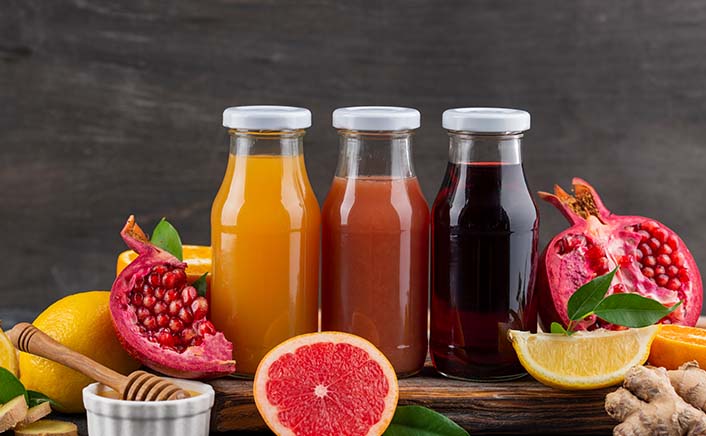
Europe is one of the most established and high-value markets for cold-pressed juices, supported by strong consumer preference for minimally processed beverages, functional nutrition, and premium-quality drinks. Countries such as the United Kingdom and Germany are at the forefront of this growth, driven by advanced retail infrastructure, high per-capita juice consumption, and growing adoption of health-focused beverages.”
The Europe Cold-Pressed Juice market was valued at USD 2.0 billion in 2024 and is projected to reach USD 3.7 billion by 2032, with a compound annual growth rate (CAGR) of 8.0% over the forecast period.
The expansion of the health and wellness beverage segment in Europe, coupled with rising consumer awareness of sugar reduction and natural ingredients, is significantly driving market growth. Cold-pressed juices are increasingly preferred for their association with freshness, higher nutrient retention, and clean-label positioning. Additionally, the growing popularity of functional juice variants, including immunity-boosting and detox-oriented blends, is further strengthening demand across key European markets.
Europe also benefits from a well-developed retail ecosystem that supports premium chilled beverage sales. The presence of strong supermarket chains, the expansion of premium private-label offerings, and the rising adoption of online grocery platforms continue to improve accessibility and visibility for cold-pressed juice products. With steady economic conditions, increasing health consciousness, and favorable consumer trends, Europe is expected to remain a key market for cold-pressed juices over the forecast period.
1. Rising health awareness and demand for minimally processed beverages are increasing cold-pressed juice consumption in Europe.
European consumers are increasingly moving away from conventional sugary drinks toward natural, nutrient-dense beverages. This shift is driven by growing awareness of lifestyle-related health issues and a stronger focus on ingredient transparency. Cold-pressed juices benefit from their perception as fresh, minimally processed products that retain natural nutrients, making them an attractive choice for health-conscious, urban consumers.
Fruit-based cold-pressed juices dominate consumption due to familiar taste profiles, while vegetable-based and mixed blends are gaining traction among consumers seeking functional health benefits. As wellness-oriented lifestyles continue to gain momentum, demand for premium juice formats is expected to remain strong.
2. Strong retail penetration and premium private-label expansion are supporting market growth.
Europe’s organized retail sector is central to driving cold-pressed juice sales. Supermarkets and hypermarkets across Western Europe have expanded chilled juice sections and introduced premium private-label cold-pressed offerings, increasing product visibility and affordability. Specialty health stores further reinforce consumer trust by positioning cold-pressed juices within wellness and organic product categories.
In parallel, the growth of online grocery platforms and direct-to-consumer channels is improving accessibility, particularly in urban areas, and is supporting subscription-based and convenience-driven purchasing behavior.
3. High per-capita juice consumption and functional beverage trends are strengthening demand in key markets.
Countries such as the United Kingdom and Germany have some of the highest per-capita juice consumption in Europe, creating a strong base for premium juice adoption. Functional beverage trends, including interest in immunity support, detoxification, and natural energy, are further increasing the value of cold-pressed juices relative to traditional juice products.
As consumers increasingly prioritize health benefits alongside taste, cold-pressed juices are well-positioned to capture a higher-value share of the broader beverage market.
4. Advancements in processing technologies are improving scalability and shelf life.
The growing adoption of High-Pressure Processing (HPP) technology across Europe has enabled manufacturers to extend shelf life while preserving product quality and nutritional integrity. This has supported broader distribution, reduced logistical constraints, and improved consistency in product availability across retail channels.
Advances in cold-chain logistics and packaging solutions are further supporting the expansion of cold-pressed juice offerings across both physical and online retail channels.
5. Regulatory focus on sugar reduction and clean-label products is reinforcing market expansion.
European regulatory initiatives aimed at reducing sugar consumption and improving dietary standards are indirectly boosting demand for cold-pressed juice. As consumers seek alternatives to sugar-sweetened beverages, cold-pressed juices positioned as no-added-sugar, natural products are gaining preference.
With growing alignment between consumer health priorities and regulatory direction, the market outlook for cold-pressed juices in Europe remains favorable.
Competitive Landscape
Some of the major companies operating in the European cold-pressed juice market include Innocent Drinks, Plenish, True Fruits, Frank Juice, Nude Juice, Rabenhorst, Biotta, Voelkel, Suja Life, and James White Drinks, as well as a wide range of regional and private-label players.