Comprehensive Europe Borosilicate Glass Market Analysis Highlighting Pharmaceutical and Laboratory Demand Growth
The Europe Borosilicate Glass Market is characterized by a highly specialized demand structure, significant regulatory influence, and a clear concentration on high-value end-use industries, particularly in pharmaceuticals, laboratory applications, and chemical processing. This market exhibits steady long-term growth, driven by increasing requirements for precision materials that can endure extreme thermal conditions, chemical exposure, and stringent safety standards.
A defining feature of this market is its strong connection to the pharmaceutical and biotechnology sectors, which together constitute the largest application base. Borosilicate glass is extensively utilized in vials, ampoules, syringes, and various primary packaging formats, owing to its excellent chemical inertness and capability to maintain drug stability. As Europe remains a global hub for pharmaceutical innovation, biologics development, and injectable drug production, the demand for high-purity Type I borosilicate glass continues to rise consistently. The growing production of vaccines, biosimilars, and advanced therapeutics has bolstered the need for reliable and contamination-free packaging solutions, reinforcing long-term stability in this market segment.
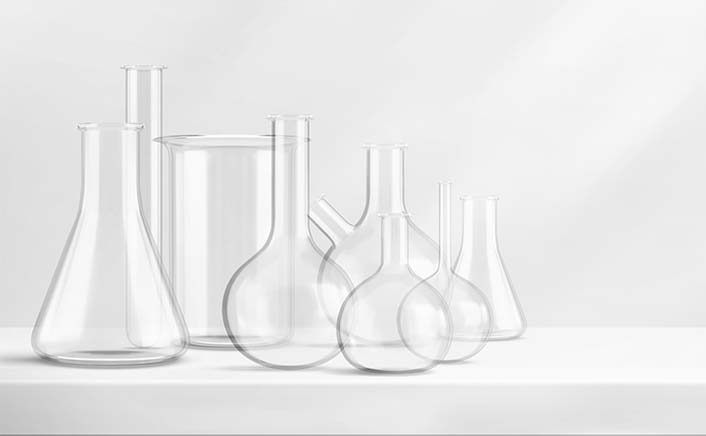
Laboratory and scientific equipment form another significant pillar of the Europe borosilicate glass market, propelled by robust research and development activities across academic institutions, government laboratories, and private biotechnology firms. The material finds extensive use in beakers, flasks, pipettes, and specialized experimental apparatus due to its ability to maintain structural integrity under rapid temperature changes and aggressive chemical reactions. Europe’s commitment to scientific advancement, supported by considerable public and private investments in research infrastructure, ensures a continuous demand for laboratory-grade glassware. Although this segment is relatively mature, it remains stable due to ongoing innovations in life sciences, chemical research, and material sciences.
Chemical processing applications also play a pivotal role in market growth, especially in the production of reactors, tubing systems, and precision laboratory-scale equipment utilized in specialty and fine chemical manufacturing. Borosilicate glass is favored in these environments due to its resistance to corrosive substances and high temperature stability, making it essential for controlled chemical reactions and process monitoring. The expansion of specialty chemical production in Europe, including pharmaceutical intermediates, agrochemicals, and high-purity industrial compounds, continues to drive demand in this segment. Additionally, the increasing trend towards small-batch production and customized chemical synthesis has heightened reliance on flexible and durable glass-based systems.
Industrial equipment applications further diversify the market, where borosilicate glass is employed in observation windows, high-temperature components, and specialized machinery parts. While this segment is smaller compared to pharmaceuticals and laboratories, it provides steady demand from manufacturing industries that require durable and heat-resistant materials. The electronics and semiconductor sectors represent an emerging and increasingly important segment, where borosilicate glass is utilized in precision components that necessitate thermal stability and dimensional accuracy. With Europe intensifying its focus on advanced electronics manufacturing and semiconductor independence, this segment is anticipated to gain significance over the forecast period.
Cookware and household applications account for a modest share of the Europe borosilicate glass market, driven by a demand for heat-resistant kitchenware, including baking dishes and storage containers. Consumer preference for durable, non-reactive, and safe materials supports steady but limited growth in this segment. Lighting applications represent a niche category where borosilicate glass is used in specialized lighting systems requiring high thermal resistance and durability, although this segment has diminished over time due to the shift toward LED technologies.
Overall, the market structure is heavily influenced by stringent European Union regulations governing pharmaceutical packaging, chemical safety, and environmental standards. These regulations ensure high-quality compliance but also increase production complexity and costs, reinforcing the premium nature of borosilicate glass products. Consequently, pricing within the Europe borosilicate glass market remains elevated compared to conventional glass materials, reflecting the advanced processing requirements and quality assurance standards involved.
From a competitive standpoint, the market is dominated by a small group of specialized manufacturers, including SCHOTT AG, Corning Incorporated, AGC Inc., Nippon Electric Glass, and DWK Life Sciences. These companies possess strong technological capabilities, extensive product portfolios, and deep integration with pharmaceutical and laboratory supply chains.