From Plastics to Performance: Bio-Butadiene Applications in ABS, SAN, and SBR Across Europe
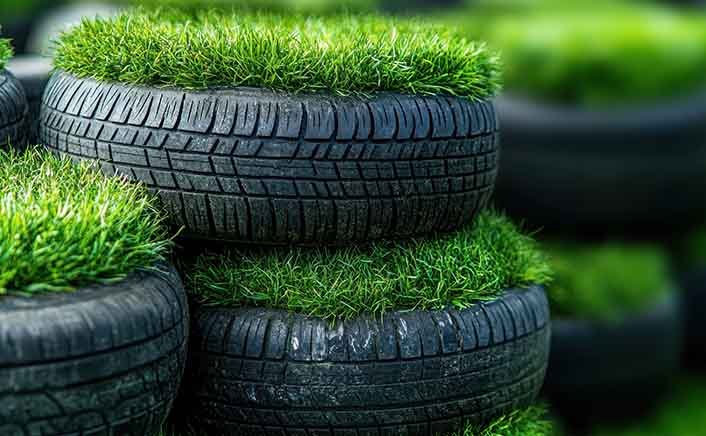
The Europe Bio-Butadiene Market is largely propelled by its wide-ranging applications in synthetic rubber, plastics, chemical intermediates, and specialty products, which reflect the industrial demand and the region’s sustainability goals. Synthetic rubber, particularly its use in tires and automotive components, accounts for approximately 55% of the market. The growing adoption of green tires, alongside strict EU regulations aimed at reducing carbon footprints and promoting circular economy initiatives, has established bio-butadiene as an essential raw material for sustainable elastomers. The trends of automotive electrification and the pursuit of high-performance, low-emission vehicles further enhance this momentum, positioning synthetic rubber production as the main growth driver in the market. Manufacturers are increasingly incorporating bio-based butadiene into tire compounds to lessen dependence on fossil-based feedstocks while still achieving the required performance, durability, and safety standards.
The plastics segment, which includes ABS, SAN, and SBR plastics, represents around 20% of the Europe Bio-Butadiene Market. These plastics are widely utilized in automotive parts, consumer electronics, and household goods. Utilizing bio-based butadiene in these plastic products not only supports sustainability objectives but also aligns with the rising consumer preference for environmentally friendly options. Furthermore, bio-butadiene-derived plastics provide similar performance characteristics to their fossil-based equivalents, making the shift to bio-based materials viable without compromising quality.
Chemical intermediates, such as adiponitrile and nylon precursors, account for about 15% of the market. Bio-butadiene serves as a crucial feedstock in the production of nylon-6,6 and other specialty chemicals utilized in fibers, resins, and engineering materials. Growth in this segment is encouraged by the increasing demand for bio-based materials in the textile, packaging, and industrial sectors, where sustainability and compliance with regulations are becoming more important.
Lastly, other niche applications including resins, coatings, adhesives, and specialty materials constitute roughly 10% of the Europe Bio-Butadiene Market. Although this segment is smaller, it is experiencing consistent growth due to advancements in high-performance coatings, eco-friendly adhesives, and specialty resins that increasingly rely on bio-based feedstocks.
In summary, the Europe Bio-Butadiene Market showcases a well-balanced application profile, with synthetic rubber leading the demand, followed by plastics, chemical intermediates, and niche products. The market's expansion is driven by regulatory incentives, industrial innovation, and a growing shift toward sustainable, renewable feedstocks, ensuring bio-butadiene becomes a pivotal element of Europe’s circular chemical economy in the coming decade.