Inside the Dental Materials Market: A Deep Dive into End-User Demand Across Clinics, Hospitals, and Laboratories
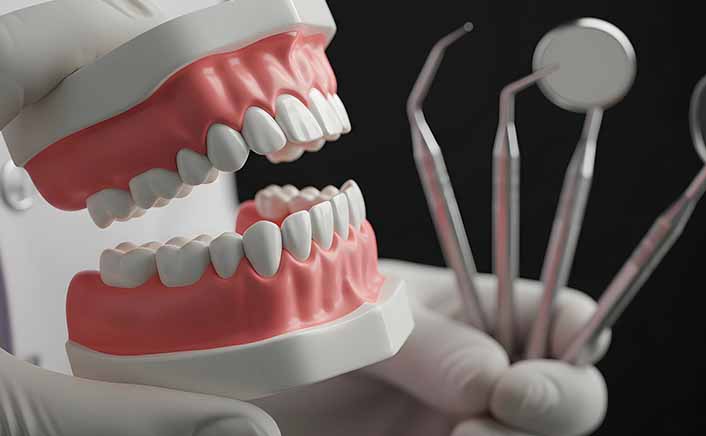
The end-user landscape of the Dental Materials Market is significantly influenced by the structure of dental care delivery systems, treatment pathways, and the concentration of procedural volumes across various healthcare settings. Dental clinics serve as the foundation of this market, functioning as the primary interface between patients and dental care services. Their dominant role is attributed to the high volume of routine and preventive procedures performed daily, such as fillings, cleanings, minor restorations, and cosmetic treatments. These activities necessitate a continuous and varied supply of materials, including composite resins, adhesives, impression materials, and sealers, leading to consistent and recurring demand. Additionally, clinics benefit from the decentralization of dental care, especially in emerging markets, where standalone practices and small chains are rapidly growing to address unmet patient needs. This widespread accessibility enhances their central role in driving material consumption and sustaining overall market growth.
Hospitals, while accounting for a smaller percentage of the dental materials market, are crucial in more complex and multidisciplinary dental procedures. Their contribution is primarily linked to advanced surgical interventions, trauma cases, and treatments that require specialized infrastructure, such as implantology and maxillofacial surgeries. The materials utilized in hospital settings tend to be of higher value and specificity, including implants, bone graft substitutes, and high-performance biomaterials. Moreover, hospitals function as referral centers for complicated cases that are initially diagnosed in clinics, thereby complementing the clinic segment rather than competing with it. The integration of dental departments within larger healthcare systems also promotes the adoption of advanced technologies and standardized procurement practices, influencing material selection and usage patterns.
Dental laboratories hold a distinct and strategically vital position within the dental materials market due to their role in fabricating customized prosthetics and restorations. Unlike clinics and hospitals that engage directly with patients, laboratories operate as specialized production units that convert raw materials into finished dental products, such as crowns, bridges, dentures, and orthodontic appliances. This segment stands out from a value perspective, relying heavily on premium materials like ceramics, zirconia, and metal alloys, essential for achieving both functional and aesthetic outcomes. The rising adoption of digital workflows, including CAD/CAM systems and 3D printing, has further underscored the importance of laboratories by improving precision, reducing turnaround times, and facilitating mass customization. Consequently, laboratories not only consume materials but also serve as key drivers of innovation and technological advancement within the market.
Academic and research institutions, while contributing a smaller share, play a foundational role in shaping the long-term trajectory of the dental materials market. Their primary functions include education, training, and research, collectively supporting the development and validation of new materials and technologies. These institutions often lead the exploration of bioactive materials, nanotechnology-based composites, and advanced bonding systems, which ultimately transition into commercial applications. Furthermore, academic centers influence clinical practices through the training of future dental professionals, indirectly affecting material preferences and adoption trends. Their involvement in clinical trials and regulatory research also enhances the standardization and safety of dental materials, ensuring that innovations meet stringent quality and performance criteria.
The interaction among these end-user segments creates a dynamic ecosystem where demand and value creation are interconnected. For example, dental laboratories depend on the prescriptions and specifications provided by clinics and hospitals, while clinics rely on laboratories for high-quality prosthetic solutions. Innovations developed in academic settings are often commercialized by manufacturers and subsequently adopted by clinics and laboratories, completing the cycle of development and utilization. This interconnected structure ensures that advancements in one segment can have cascading effects across the entire market.
From a strategic standpoint, the distribution of market share across end users emphasizes the need to align product development and marketing strategies with specific segment requirements. Manufacturers targeting dental clinics must prioritize ease of use, cost efficiency, and versatility, reflecting the high-volume nature of procedures. Conversely, products designed for laboratories and hospitals should focus on precision, durability, and compatibility with advanced technologies. Engagement with academic institutions is also essential for fostering innovation and ensuring the long-term success of the dental materials market.