China In-Vehicle Infotainment Market to Reach USD 12.6 Billion by 2033 Amid Rapid Expansion of Smart Cockpit and Connected EV Technologies
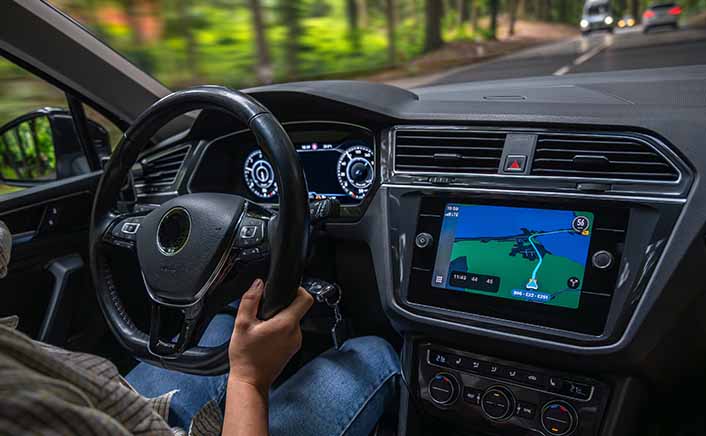
The China In-Vehicle Infotainment Market was valued at USD 5.7 billion in 2025 and is projected to reach USD 12.6 billion by 2033, expanding at a CAGR of 10.4% during the forecast period. The rapid adoption of electric vehicles, the rising penetration of intelligent cockpit systems, and the growing integration of AI-powered connectivity platforms across passenger vehicles are driving the market.
China has emerged as the global center for connected-vehicle innovation, supported by its leadership in EV production and smart-mobility infrastructure. According to the China Association of Automobile Manufacturers (CAAM), the country produced more than 31 million vehicles in 2024, while new energy vehicle sales exceeded 12 million units. This large production base is accelerating demand for advanced infotainment systems integrating touchscreen displays, cloud connectivity, AI voice assistants, navigation intelligence, and over-the-air software capabilities.
Unlike traditional infotainment platforms focused primarily on audio and navigation, Chinese automakers are increasingly developing software-centric smart-cockpit ecosystems designed to enhance in-vehicle digital interactions. Domestic EV manufacturers, including BYD, Li Auto, Xiaomi, NIO, and AITO, are positioning infotainment and intelligent cabin features as major product differentiators. These systems now function as integrated digital environments that combine entertainment, vehicle control, smartphone synchronization, and driver-assistance visualization within centralized operating systems.
The growing role of AI-based interaction is significantly transforming the market landscape. Huawei’s HarmonyOS cockpit platform has become one of the strongest examples of this transition, supporting voice interaction, cloud applications, multi-device synchronization, and intelligent navigation across vehicles developed under the Harmony Intelligent Mobility Alliance ecosystem. Similarly, Xiaomi’s SU7 electric sedan introduced a HyperOS-powered cockpit system enabling seamless integration between smartphones, tablets, and vehicle interfaces. Chinese consumers are demonstrating strong demand for connected in-car experiences, particularly among younger EV buyers seeking seamless digital ecosystems comparable to consumer electronics products.
Large-format displays and premium digital cabin experiences are also becoming mainstream across Chinese EVs. Vehicles such as the Li Auto L-series and BYD Tang L now feature multiple high-resolution OLED displays, augmented reality head-up displays, AI-based voice assistants, and integrated entertainment ecosystems that were previously limited to luxury imported vehicles. This transition is increasing the value of infotainment content per vehicle and supporting higher software integration requirements.
The market is also benefiting from China’s expanding 5G infrastructure and government-backed intelligent connected-vehicle initiatives. Policies supporting automotive digitization, semiconductor localization, and connected mobility development are encouraging domestic OEMs and suppliers to invest heavily in intelligent cockpit technologies. China’s “Made in China 2025” industrial strategy and intelligent vehicle development roadmap continue to support the integration of cloud connectivity, AI computing, and advanced electronics across the automotive sector.
Passenger vehicles account for the dominant share of the market due to widespread infotainment integration across electric SUVs, sedans, and premium connected vehicles. Hardware remains the leading revenue segment because of strong demand for displays, processors, connectivity modules, and digital instrument clusters. However, software and connected services are expected to grow more rapidly during the forecast period as automakers increasingly monetize OTA upgrades, AI applications, navigation ecosystems, and subscription-based entertainment services.
Despite strong market momentum, the industry faces several operational and regulatory challenges. In 2025, Chinese authorities increased regulatory scrutiny over intelligent driving technologies following a fatal accident involving Xiaomi’s SU7 vehicle while advanced driver-assistance functions were active. The Ministry of Industry and Information Technology subsequently tightened oversight of vehicle software updates and restricted the use of certain autonomous-driving-related marketing claims. These developments are expected to increase compliance requirements for infotainment-integrated ADAS systems.
The competitive landscape remains moderately consolidated, with domestic technology firms rapidly strengthening their market positions through software-driven cockpit ecosystems. Huawei has emerged as one of the most influential players through its HarmonyOS integration strategy and partnerships with AITO and Luxeed. Desay SV continues to expand its presence in intelligent cockpit electronics and display integration systems. International suppliers such as Harman International, Bosch, Panasonic, and Visteon remain active in premium infotainment hardware, digital cockpit platforms, and connected mobility solutions.
As software-defined vehicles continue to gain traction, the Chinese in-vehicle infotainment industry is expected to evolve from conventional multimedia systems toward AI-powered intelligent mobility platforms that integrate connectivity, automation, cloud services, and personalized digital experiences within the vehicle cabin.