Australia’s strong regulatory framework, rising environmental awareness, and increasing pressure to reduce packaging waste are positioning the country as one of the most advanced and policy-driven markets for sustainable packaging in the Asia-Pacific region.
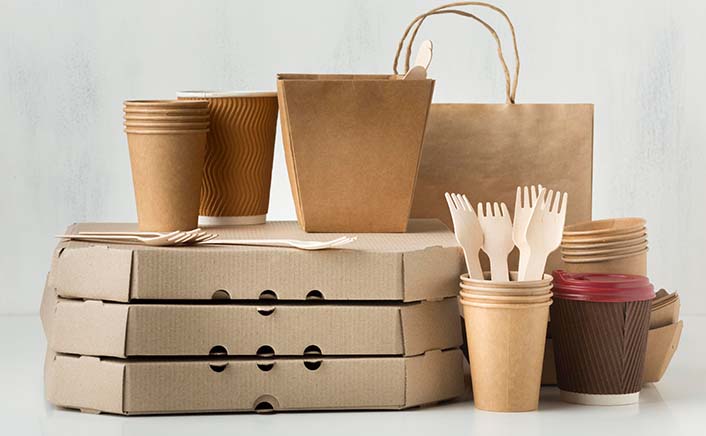
Australia continues to accelerate its transition toward a circular packaging economy through coordinated efforts between government bodies, industry groups, and major retailers.
The Australian Sustainable Packaging Market reached USD 4.10 billion in 2025 and is projected to grow to USD 7.64 billion by 2033, registering a CAGR of 8.2% from 2026 to 2033. Market growth is supported by national plastic reduction targets, increasing adoption of recyclable and compostable materials, and strong demand from the food, beverage, and e-commerce sectors.
Australia’s packaging ecosystem is undergoing structural transformation driven by sustainability mandates and waste management challenges. The country generates more than 2.5 million tonnes of packaging waste annually, prompting stricter regulations and industry commitments to reduce reliance on landfill. Initiatives such as the National Plastics Plan and APCO’s 2025 targets are pushing manufacturers to adopt packaging solutions that are recyclable, reusable, or compostable, fundamentally reshaping material demand across industries.
Retailers and FMCG companies are playing a central role in accelerating this transition. Major supermarket chains have committed to eliminating problematic plastics and increasing recycled content in private-label packaging. This shift is particularly evident in fresh produce packaging, ready meals, and household goods, where paper-based and recyclable plastic alternatives are rapidly replacing conventional materials. These initiatives are influencing upstream suppliers and packaging manufacturers to invest in sustainable material innovation and scalable production capabilities.
Urban consumption patterns are further reinforcing demand for sustainable packaging. High population density in cities such as Sydney, Melbourne, and Brisbane, combined with strong growth in e-commerce and food delivery services, is increasing the volume of packaging used in daily consumption. Consumers are becoming more conscious of environmental impact, with a growing preference for products packaged in recyclable or biodegradable materials. This shift is encouraging brands to differentiate through sustainable packaging while aligning with evolving consumer expectations.
Paper and paperboard packaging have emerged as the dominant material category due to their high recyclability and well-established recovery infrastructure. Corrugated packaging, in particular, is benefiting from the rapid expansion of online retail and logistics networks. At the same time, flexible packaging formats are evolving through lightweighting and mono-material innovations, enabling improved recyclability while maintaining cost efficiency. Compostable packaging is gaining traction in foodservice applications, though its growth is tempered by limited composting infrastructure in certain regions.
Technological advancements and material innovation are playing a key role in shaping the market. Manufacturers are increasingly incorporating recycled content such as rPET and rHDPE into packaging solutions, while also exploring bio-based polymers and fiber-based alternatives. Lightweight packaging designs are reducing material usage and transportation costs, aligning with both sustainability and economic objectives. Additionally, reusable and refillable packaging models are being piloted in select segments, particularly in personal care and household products.
Digital retail channels are also influencing the dynamics of packaging demand. The growth of online grocery platforms and direct-to-consumer delivery services has increased the need for protective, durable, and sustainable packaging solutions. Companies are investing in packaging designs that balance product safety with environmental performance, ensuring compatibility with both logistics requirements and recycling systems.
Competitive Landscape
The Australian sustainable packaging market is supported by a combination of global packaging leaders and established domestic manufacturers that are actively driving innovation and integrating the circular economy. Amcor plc leads in advanced recyclable and flexible packaging solutions, while Visy Industries maintains a strong position through its integrated recycling and manufacturing operations. Orora Limited and Pact Group Holdings are expanding their capabilities in recycled plastics and sustainable rigid packaging, supported by investments in local recycling infrastructure. Detmold Group and BioPak Pty Ltd are prominent in fiber-based and compostable packaging, particularly within the foodservice sector. Global players such as Sealed Air Corporation, Tetra Pak International S.A., Huhtamaki Oyj, and Mondi plc continue to strengthen their presence through sustainable material innovation and partnerships with local stakeholders.
Australia’s continued investment in recycling infrastructure, regulatory enforcement, and material innovation will sustain long-term growth in the sustainable packaging market. As businesses transition toward circular packaging models and consumers increasingly prioritize environmentally responsible products, demand for sustainable packaging solutions is expected to expand steadily. The market will remain driven by policy alignment, corporate sustainability goals, and ongoing advancements in packaging materials and technologies.