Australia LNG Market Structure by Type: Market Share, Trends, and Strategic Insights for LNG and RLNG Segments
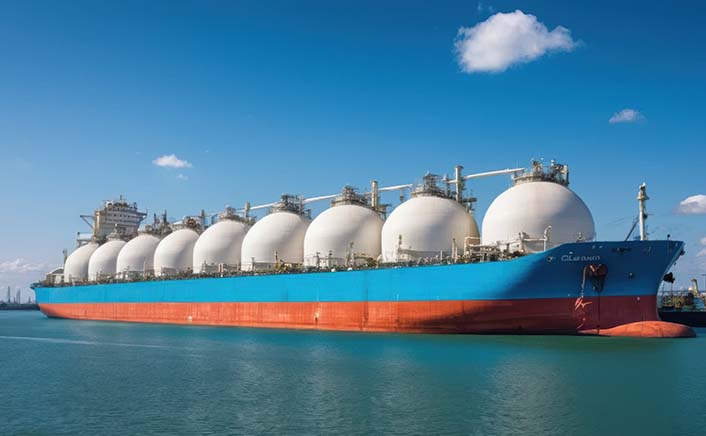
The Australia LNG Market is primarily characterized by a type-based structure that is heavily dominated by Liquefied Natural Gas (LNG), which holds approximately 92 percent of the market share. This substantial dominance reflects Australia’s position as one of the leading exporters of LNG worldwide, bolstered by a robust network of large-scale liquefaction terminals. Facilities like Gorgon LNG, Wheatstone LNG, Pluto LNG, Ichthys LNG, and Australia Pacific LNG are specifically designed to convert natural gas into a liquefied state, allowing for efficient storage and long-distance transportation to international markets. The liquefaction process involves cooling natural gas to about minus 162 degrees Celsius, which significantly decreases its volume and facilitates cost-effective shipment using specialized LNG carriers. This infrastructure-intensive model has established Australia as a crucial supplier in the global LNG trade, particularly for Asia Pacific importing nations.
The Liquefied Natural Gas segment benefits from long-term contracts with buyers, typically linked to crude oil prices or hybrid pricing mechanisms. These contracts ensure revenue stability and support sustained production levels across major projects. Furthermore, Australia’s proximity to high-demand Asian markets enhances its competitive edge by reducing transit times and improving supply reliability. Consequently, LNG cargo exports form the backbone of the Australia LNG market, where liquefied volumes represent the majority of production, trade, and revenue generation. The export-oriented nature of the industry solidifies LNG's prominence as a category, with limited diversion into domestic distribution compared to pipeline-based gas systems.
In contrast, Regasified LNG constitutes a relatively small portion, around 8 percent, of the Australia LNG market. This segment is limited because Australia is predominantly a net exporter of natural gas in its liquefied form, rather than an importer that requires regasification. Regasified LNG typically refers to LNG that is imported, stored, and converted back into gaseous form at regasification terminals before being distributed through pipelines for end use. However, due to Australia’s rich domestic gas reserves and extensive production capabilities, the need for LNG imports and corresponding regasification infrastructure is diminished. As a result, RLNG occupies a marginal role, primarily associated with niche or localized supply scenarios rather than large-scale market activities.
The limited presence of Regasified LNG is further influenced by the structure of Australia’s domestic energy system. This system relies heavily on pipeline gas sourced directly from upstream production fields, as domestic consumption is predominantly supplied through transmission networks rather than imported liquefied gas. Moreover, the high costs linked to LNG imports including liquefaction, shipping, and regasification render RLNG less economically attractive in the Australian context. This cost structure reinforces the dominance of Liquefied Natural Gas in the overall market landscape.
From an infrastructure standpoint, the Australia LNG market is heavily optimized for liquefaction and export rather than import and regasification. The capital-intensive nature of LNG liquefaction facilities, coupled with substantial offshore and onshore gas reserves, has led to the development of integrated supply chains that prioritize outbound cargo flows. Regasification terminals, which are crucial in LNG importing countries, are largely absent or underdeveloped in Australia due to the limited domestic demand for imported gas. This structural imbalance between production and consumption further elucidates the minimal share of RLNG within the market.
In summary, the segmentation of the market underscores a clear export-oriented ecosystem, wherein Liquefied Natural Gas holds both operational and commercial dominance. Regasified LNG remains a minor component with limited relevance within the current market framework. The strong reliance on LNG production and exports continues to influence investment decisions, infrastructure development, and strategic positioning within the Australia LNG market, ensuring that the liquefied form remains the primary driver of industry growth and participation in global trade.