Cross-Border Healthcare Demand Is Strengthening The Role Of Asia-Pacific In Advanced Device Utilization.
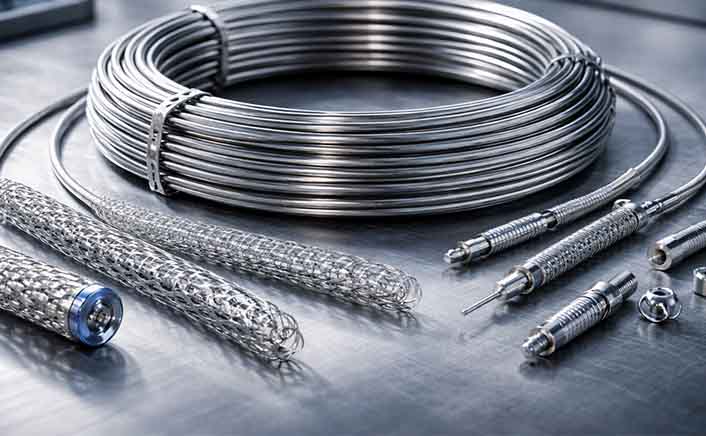
The Asia-Pacific region is emerging as the fastest-growing market in the Global Nitinol-based medical device industry, driven by rapid healthcare transformation and increasing patient demand. Countries such as China, India, and Japan are witnessing significant investments in healthcare infrastructure, which is improving access to advanced medical treatments. The rising prevalence of cardiovascular diseases and orthopedic conditions is a major factor boosting the adoption of Nitinol-based devices like stents, guidewires, and implants.
The Asia Pacific Nitinol-Based Medical Device Market was valued at USD 0.72 Billion in 2025 and is projected to reach USD 1.30 Billion by 2033, with a compound annual growth rate (CAGR) of 14.90% from 2027 to 2033.
Additionally, the region benefits from a large population base and growing awareness of minimally invasive procedures, which are preferred for their shorter recovery times and reduced risks. Expansion of private hospitals and medical tourism hubs further contributes to market growth, particularly in countries like India and Thailand.
Moreover, cost-effective manufacturing and increasing presence of global and local medical device companies are enhancing regional production capabilities. Although the market is still developing compared to North America, supportive government initiatives and improving regulatory frameworks are expected to accelerate long-term growth in Asia-Pacific.
Increasing Incidence Of Chronic Diseases Is Driving Demand For Nitinol-Based Implants And Minimally Invasive Devices.
The Asia-Pacific region is witnessing a sharp increase in cardiovascular diseases and orthopedic disorders due to aging populations, sedentary lifestyles, and changing dietary habits. Conditions such as coronary artery disease, peripheral artery disease, and joint degeneration are becoming more common, especially in densely populated countries like China and India. This growing disease burden is directly increasing the demand for advanced medical solutions, including Nitinol-based devices such as stents, guidewires, and orthopedic implants. Nitinol’s unique properties, such as shape memory and flexibility, make it highly suitable for treating complex vascular and skeletal conditions. As early diagnosis rates improve and more patients seek treatment, hospitals are adopting these devices to ensure better clinical outcomes. This trend is expected to continue as awareness and access to healthcare expand across both urban and rural populations.
Rapid Development Of Hospitals And Specialty Care Centers Is Improving Access To Advanced Medical Technologies.
Healthcare infrastructure in the Asia-Pacific region has been expanding rapidly, supported by both government and private sector investments. New hospitals, specialty clinics, and diagnostic centers are being established, particularly in emerging economies such as India, China, and Southeast Asian countries. This expansion is improving access to advanced surgical procedures and modern medical technologies, including Nitinol-based devices. Additionally, many healthcare facilities are upgrading their capabilities to handle complex minimally invasive procedures, which require high-performance materials like Nitinol. The rise of multi-specialty hospitals and cardiac care centers is further strengthening the demand for such devices. Rural healthcare development programs are also playing a role in broadening patient reach. As infrastructure continues to improve, more patients can receive timely and effective treatment, thereby boosting the adoption of innovative medical devices across the region.
Patients and doctors are shifting toward procedures that offer faster recovery and lower surgical risks.
There is a strong shift in Asia-Pacific toward minimally invasive procedures, driven by patient awareness and advancements in medical technology. These procedures are preferred because they involve smaller incisions, reduced pain, shorter hospital stays, and quicker recovery times compared to traditional surgeries. Nitinol-based devices are widely used in such procedures due to their flexibility, durability, and ability to adapt to complex anatomical structures. Healthcare providers are increasingly recommending minimally invasive options for cardiovascular, neurovascular, and orthopedic treatments. This trend is further supported by improvements in imaging technologies and surgical techniques, enabling more precise interventions. As patients become more informed and demand better treatment experiences, hospitals are focusing on adopting advanced tools and devices. This growing preference is significantly contributing to the rising demand for Nitinol-based medical devices across the Asia-Pacific region.
Countries Like India And Thailand Attract International Patients Seeking Cost-Effective, High-Quality Treatments Using Advanced Devices.
Asia-Pacific has become a major hub for medical tourism, attracting patients from around the world due to its combination of high-quality healthcare and cost-effective treatment options. Countries such as India, Thailand, Malaysia, and Singapore are leading destinations, offering advanced procedures at significantly lower costs compared to Western countries. This influx of international patients is increasing the demand for modern medical technologies, including Nitinol-based devices used in cardiovascular and orthopedic treatments. Hospitals catering to medical tourists often invest in the latest equipment and highly skilled professionals to maintain global standards. Additionally, shorter waiting times and personalized care further enhance the region’s appeal. The growth of medical tourism not only boosts hospital revenues but also encourages the adoption of innovative medical devices. As global healthcare costs continue to rise, Asia-Pacific is expected to see sustained growth in this segment.
Public Investments And Healthcare Reforms Are Supporting The Adoption Of Modern Medical Devices Across The Region.
Governments across the Asia-Pacific region are significantly increasing their healthcare spending to improve public health systems and ensure wider access to quality care. Initiatives such as insurance coverage expansion, healthcare subsidies, and infrastructure development programs are helping more people receive advanced medical treatments. This increased spending is enabling hospitals to procure modern equipment and adopt innovative technologies, including Nitinol-based medical devices. In countries like China and India, large-scale healthcare reforms are focusing on strengthening both urban and rural healthcare delivery systems. Governments are also encouraging domestic manufacturing of medical devices, which can reduce costs and improve availability. Furthermore, regulatory improvements are streamlining approval processes, allowing quicker access to new technologies. As public and private healthcare investments continue to grow, the adoption of advanced medical devices is expected to accelerate across the region.
Competitive Landscape
Some of the major companies operating within the Nitinol-Based Medical Device market are: B. Braun Melsungen AG, Stryker Corporation, Arthrex, Inc., Terumo Corporation, Zimmer Biomet Holdings, Boston Scientific Corporation, Cook Medical, Cordis and Others.