Chronic Disease Prevalence Fuels Medical Tubing Market Growth in Asia Pacific.
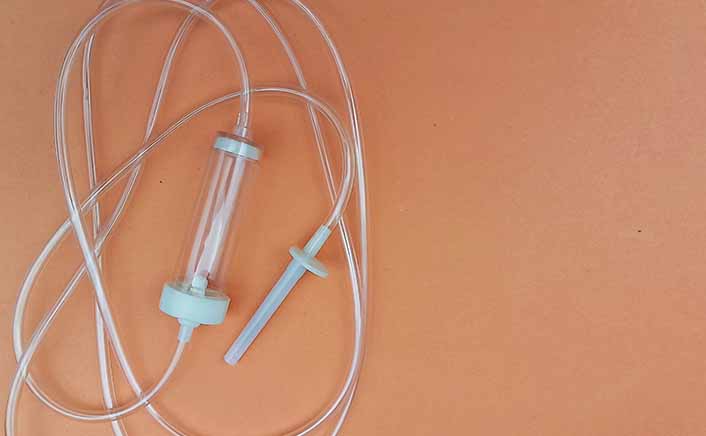
The Asia Pacific Medical Tubing Market was valued at USD 2.00 Billion in 2025 and is projected to reach USD 3.93 Billion by 2033, with a compound annual growth rate (CAGR) of 18.60% from 2027 to 2033.
The Asia Pacific region is emerging as the fastest-growing market for global medical tubing, driven primarily by the rising demand for advanced healthcare infrastructure and medical devices. Countries such as China, India, and Japan are investing heavily in modern hospitals, diagnostic centers, and outpatient care facilities, creating a robust demand for medical tubing used in applications like catheters, IV lines, and surgical instruments. Additionally, the increasing prevalence of chronic diseases and the expanding aging population are further fueling the consumption of medical tubing in the region.
Technological advancements in tubing materials, such as silicone, PVC, and specialty polymers, are also contributing to market growth. Manufacturers are focusing on producing high-quality, flexible, and biocompatible tubing to meet the stringent standards of the medical industry. This trend is particularly significant in minimally invasive surgeries and critical care applications, where precision and reliability are essential.
Furthermore, supportive government initiatives, regulatory approvals, and rising healthcare expenditure are accelerating market expansion. The presence of international medical device companies entering Asia Pacific through partnerships or local manufacturing is strengthening the supply chain and reducing costs. Collectively, these factors position Asia Pacific as a highly attractive growth hub in the global medical tubing market.
Expansion of hospitals, clinics, and diagnostic centers increases demand for medical tubing.
The Asia Pacific region has been witnessing rapid expansion in healthcare infrastructure, including hospitals, diagnostic centers, and outpatient care facilities. Countries like China, India, and Japan are investing heavily in modern medical facilities to meet growing healthcare demands. This expansion directly boosts the demand for medical tubing, as these devices are essential in surgeries, catheterization, dialysis, and other medical procedures. Increasing government and private funding in healthcare projects further supports the adoption of advanced medical technologies, which rely on high-quality tubing. Moreover, urbanization and rising middle-class populations are fueling demand for better healthcare services, creating a ripple effect that drives the consumption of medical tubing across hospitals and clinics. As infrastructure grows, the need for efficient, reliable, and safe tubing solutions becomes a critical factor, making this driver a key contributor to market growth in the Asia Pacific region.
Higher patient volumes drive the need for disposable and specialized medical tubing.
Asia Pacific is experiencing a surge in chronic diseases such as diabetes, cardiovascular disorders, and cancer, as well as lifestyle-related conditions linked to sedentary habits and urban living. This rising disease burden increases hospital admissions and the requirement for continuous patient care, driving demand for medical tubing used in infusion systems, catheters, and dialysis machines. Additionally, the aging population contributes to higher incidences of chronic health conditions, necessitating long-term treatments and more frequent medical procedures. This scenario creates sustained demand for disposable and specialized tubing products, ensuring patient safety and infection control. Hospitals and clinics are increasingly adopting advanced tubing technologies to handle high patient loads efficiently. As a result, the prevalence of chronic and lifestyle diseases acts as a persistent and significant driver of the medical tubing market in Asia Pacific, fueling both volume growth and technological innovation.
Development of biocompatible, flexible, and durable tubing for surgical and diagnostic applications.
The Asia Pacific market benefits from continuous innovations in tubing materials, including silicone, PVC, polyolefins, and specialty polymers. These materials offer high flexibility, chemical resistance, and biocompatibility, which are essential for medical procedures. Advanced tubing technologies enhance performance in critical applications such as minimally invasive surgery, catheterization, and dialysis. Manufacturers are developing precision-molded and customized tubing solutions to meet stringent regulatory requirements and improve patient outcomes. The integration of smart tubing, antimicrobial coatings, and kink-resistant designs further boosts adoption in hospitals and diagnostic centers. These innovations not only improve efficiency and safety but also reduce risks of contamination and procedural errors. The focus on material advancements and technology-driven solutions ensures that healthcare providers in Asia Pacific have access to superior-quality tubing, making this a vital driver supporting rapid market growth in the region.
Policies promoting modern healthcare facilities and medical device adoption support market growth.
Governments across Asia Pacific are implementing policies to modernize healthcare infrastructure, improve access to medical devices, and encourage domestic production of medical supplies. Initiatives such as subsidies for hospital equipment, tax benefits for medical device manufacturers, and fast-track approvals for innovative products have strengthened the medical tubing market. Regulatory frameworks are evolving to ensure high-quality standards and patient safety, while simultaneously facilitating market entry for both domestic and international players. Public health programs targeting chronic disease management, infection control, and surgical care increase demand for disposable and specialty tubing products. Furthermore, national strategies to expand rural healthcare facilities and telemedicine adoption also create new market opportunities. By providing financial, regulatory, and logistical support, these government initiatives act as a strong driver, accelerating the adoption of medical tubing and enhancing market growth across the Asia Pacific region.
Partnerships and local production enhance supply chain efficiency and product availability.
The Asia Pacific region is attracting global medical device manufacturers through strategic partnerships, joint ventures, and local production facilities. International companies bring advanced technology, high-quality standards, and R&D expertise, which improve the availability and reliability of medical tubing products. Local manufacturing reduces lead times, lowers costs, and strengthens the supply chain, making advanced tubing solutions more accessible to hospitals and clinics. Additionally, foreign players help transfer knowledge about innovative tubing designs, antimicrobial coatings, and regulatory compliance standards. Their presence encourages domestic manufacturers to improve quality and efficiency, creating a competitive environment that benefits healthcare providers. The expansion of international players into Asia Pacific ensures consistent supply, supports product diversification, and accelerates market penetration. This influx of foreign expertise and investment is a crucial factor driving the rapid growth of the medical tubing market in the region.
Competitive Landscape
Some of the major companies operating within the Medical Tubing market are: Saint-Gobain, Freudenberg Medical, W.L. Gore & Associates, Inc., The Lubrizol Corporation, Nordson Corporation, TE Connectivity, Raumedic AG, Zeus Industrial Products, Inc., Tekni-Plex, Inc. and Others.