Innovations and Opportunities Driving the Asia Pacific Thermoform Packaging Market
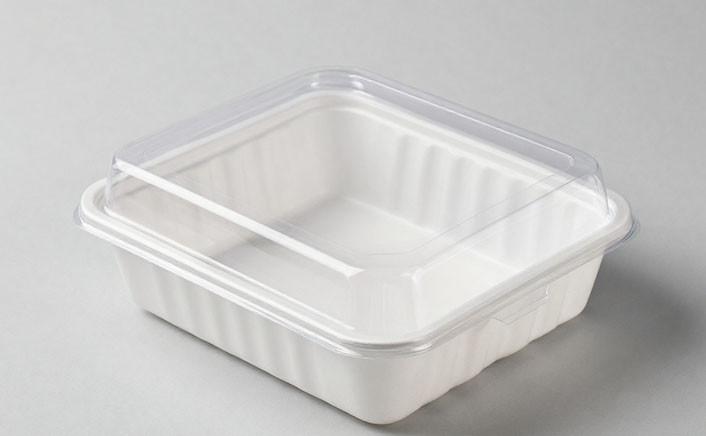
The Asia-Pacific region is the fastest-growing market for thermoform packaging, driven by rapid industrialization, urbanization, and economic growth in key countries such as China, India, and those in Southeast Asia. The increasing middle class and rising disposable incomes in the region are driving demand for packaged food, beverages, and consumer goods, creating a substantial market for thermoform packaging.
The Asia Pacific Thermoform Packaging market was valued at USD 10.30 Billion in 2023 and is projected to reach USD 18.11 Billion by 2033, with a compound annual growth rate (CAGR) of 18.70% from 2027 to 2033.
In particular, the food and beverage industry in Asia-Pacific benefits from a growing preference for convenience foods and ready-to-eat meals, which require efficient and attractive packaging. Additionally, the healthcare sector is expanding rapidly, leading to increased demand for medical devices, pharmaceutical products, and sterile packaging solutions.
Asia-Pacific's cost advantages in manufacturing, supported by abundant raw materials and a skilled workforce, attract significant investments in thermoforming technologies. Furthermore, the region's focus on sustainable packaging, driven by government regulations and heightened environmental awareness, is encouraging innovation in recyclable and eco-friendly thermoform materials, further promoting market growth.
The rapid urbanization and growing population in Asia-Pacific are driving the demand for packaged products and convenience foods.
The Asia-Pacific region is undergoing significant urbanization, particularly in countries such as China, India, and those in Southeast Asia. These areas are witnessing a large influx of rural populations moving to cities. This urban migration has led to an increased demand for packaged foods, ready-to-eat meals, and other convenience products that cater to the fast-paced lifestyles of urban residents.
As cities expand and infrastructure improves, the necessity for efficient packaging solutions to store, transport, and preserve these products becomes crucial. With the region's population continually growing, the consumer base for packaged goods is also expanding, resulting in a higher demand for packaging technologies such as thermoforming. Additionally, the rise of the middle class and their increased purchasing power further drives the demand for quality packaged products.
Rising disposable income in emerging markets enables consumers to spend more on packaged products, fueling the demand for thermoform packaging.
As disposable income continues to rise in the Asia-Pacific region, especially in emerging markets like India, China, and Southeast Asia, more consumers are able to afford packaged foods, beverages, and other convenience items. This growing middle class is seeking products that offer convenience, freshness, and safety, which drives the demand for effective packaging solutions.
Thermoform packaging is particularly favored by food and beverage manufacturers because it provides excellent product protection, extends shelf life, and simplifies handling. As consumers gain more disposable income, they increasingly prefer packaged goods, benefiting from greater access to retail outlets and e-commerce platforms. Efficient packaging is crucial in ensuring product safety and appealing to these consumers.
The growth of e-commerce and online food delivery services in the region increases the need for packaging that ensures product safety during transport.
E-commerce has experienced rapid growth in the Asia-Pacific region, with an increasing number of consumers turning to online platforms for shopping, including food and groceries. This shift has led to a significant rise in demand for packaging solutions that protect products during transportation.
The booming online food delivery services, particularly in urban areas, have made thermoform packaging essential for preserving the quality, freshness, and hygiene of products during delivery. As consumers prioritize convenience and fast delivery, packaging that is lightweight, durable, and protective has become a crucial consideration for e-commerce businesses.
Thermoformed materials such as trays, blister packs, and clamshells play a vital role in ensuring that food and beverages remain secure and intact during transit, which helps reduce spoilage and product damage. The growth in e-commerce and online food delivery is, therefore, significantly contributing to the demand for high-quality packaging solutions.
The expanding food and beverage industry, driven by changing eating habits and busy lifestyles, is a major source of demand for thermoform packaging.
The food and beverage industry is a major driver of thermoform packaging in the Asia-Pacific region. This trend is primarily attributed to changing consumer preferences for ready-to-eat meals, convenience foods, and processed items. As consumer lifestyles become busier, there is a rapid increase in demand for packaged food products that are easy to prepare and consume.
Thermoform packaging plays a crucial role in this sector by providing effective solutions for preserving food freshness, extending shelf life, and ensuring safe transport. Thermoform containers, trays, and clamshells are widely used for packaging fresh produce, snacks, frozen foods, and prepared meals, making them essential to the industry.
Additionally, the trend towards smaller, portion-controlled packs is driving the demand for flexible and lightweight packaging solutions. With the rising popularity of processed and packaged foods, the thermoform packaging market continues to thrive, effectively meeting the evolving needs of both producers and consumers in the food and beverage sector.
Technological innovations in thermoforming processes improve packaging efficiency, quality, and customization, driving market growth.
Technological advancements in the thermoforming process have significantly enhanced the efficiency, quality, and cost-effectiveness of packaging production. New innovations enable manufacturers to create packaging that is both lighter and stronger, reducing material costs while promoting sustainability. The ability to produce intricate, custom-shaped packaging gives businesses a competitive edge, allowing them to offer unique products that stand out on retail shelves.
Additionally, the development of more sophisticated thermoforming machinery facilitates higher production speeds and precision, improving the scalability of packaging solutions to meet the growing demand in markets like Asia-Pacific. The adoption of digital technologies and automation in packaging lines is streamlining the thermoforming process, lowering labor costs and enhancing quality control.
These technological improvements, coupled with better material utilization and the introduction of recyclable options, are making thermoform packaging an increasingly attractive choice for manufacturers across various industries.
Competitive Landscape
Some of the major companies operating within the Thermoform Packaging market are: Berry Global Inc., Sealed Air Corporation, Sonoco Products Company, Du Pont, WestRock Company, EasyPak, DS Smith Plc, Tekni-Plex Inc., Constantia Flexibles Group, Display Pack Inc. and Others.