APAC Naphtha Market to Reach USD 245 Billion by 2033, Driven by Petrochemical Expansion and Trade Dynamics
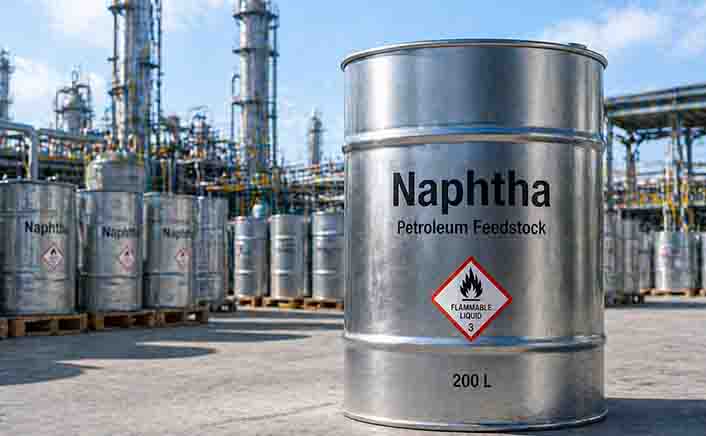
The APAC Naphtha Market is set to expand steadily, supported by strong petrochemical demand and increasing refinery-to-chemical integration across key economies. The market is valued at USD 172 billion in 2025 and is projected to reach USD 245 billion by 2033, growing at a compound annual growth rate (CAGR) of 4.4% during the forecast period.
Naphtha continues to play a critical role as a primary feedstock for petrochemical production, particularly in steam cracking processes used to produce ethylene and propylene. In the Asia-Pacific region, over 70% of naphtha consumption is used in petrochemical applications, reflecting the region’s structural dependence on liquid feedstocks due to the limited availability of low-cost alternatives, such as ethane. This dynamic positions APAC as the largest and most strategically important market globally.
China remains the dominant force in the regional landscape, accounting for more than 40% of total demand. The country’s aggressive investments in integrated refining and petrochemical complexes have significantly increased its naphtha consumption. Mega projects such as Zhejiang Petrochemical and Hengli Petrochemical are designed to maximize chemical output, shifting the traditional refining model toward higher-value petrochemical production. This transition is reshaping demand patterns and reinforcing naphtha’s importance in the value chain.
India is emerging as a high-growth market, supported by expanding domestic consumption and large-scale investments in refining capacity. Companies such as Reliance Industries and Indian Oil Corporation are actively enhancing their petrochemical integration capabilities, driving additional demand for naphtha. Southeast Asia is also witnessing rising investments in refining and chemical manufacturing, further strengthening regional demand fundamentals.
From a supply perspective, APAC relies heavily on imports, particularly from the Middle East. Countries such as Saudi Arabia, the UAE, and Qatar serve as major exporters, while Singapore functions as a key trading and storage hub. Trade flows within the region are influenced by pricing differentials, freight costs, and arbitrage opportunities, making the market highly dynamic. Japan and South Korea remain among the largest importers, while India’s import dependency is increasing in line with its expanding petrochemical sector.
Technological advancements are playing a pivotal role in shaping market dynamics. Modern steam crackers are increasingly adopting feedstock flexibility, allowing operators to switch between naphtha, LPG, and other inputs based on cost considerations. At the same time, the development of crude-to-chemicals technologies is enabling higher conversion of crude oil into petrochemical feedstocks, further strengthening naphtha demand in integrated facilities.
Despite these positive trends, the market faces certain constraints. The gradual shift toward alternative feedstocks such as propane and ethane, particularly in China and South Korea, is introducing competitive pressure. Additionally, the ongoing energy transition and rising adoption of electric vehicles are expected to moderate gasoline demand, reducing naphtha’s role in fuel blending applications. Environmental regulations and carbon reduction initiatives are also influencing refinery operations and cost structures.
However, the long-term outlook for the APAC naphtha market remains stable, supported by sustained growth in downstream industries such as packaging, automotive, and construction. Increasing demand for plastics and chemical intermediates continues to drive petrochemical production, ensuring consistent naphtha consumption as a feedstock.
Overall, the APAC naphtha market is characterized by strong structural demand, evolving trade dynamics, and increasing integration across the value chain. As the region continues to invest in petrochemical capacity and advanced refining technologies, naphtha is expected to remain a critical component of the Asia-Pacific’s industrial and energy landscape through 2033.