Rising Healthcare Demand Driving Growth in the Asia Pacific Medical Device Contract Manufacturing Market
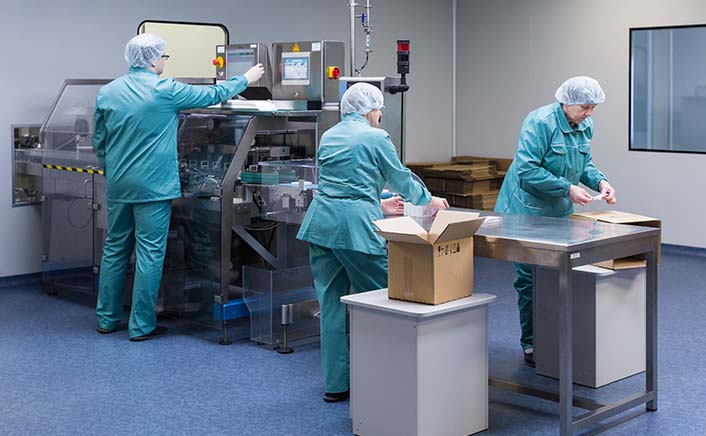
The Asia Pacific Medical Device Contract Manufacturing Market was valued at USD 19.04 Billion in 2025 and is projected to reach USD 82.06 Billion by 2033, with a compound annual growth rate (CAGR) of 18.70% from 2027 to 2033.
The Asia Pacific region is emerging as the fastest-growing market in medical device contract manufacturing, driven by strong economic growth, expanding healthcare needs, and increasing outsourcing trends. Key countries such as China, India, and Japan are leading this growth due to rising healthcare expenditures, large patient populations, and rapid urbanization. Governments across the region are investing heavily in healthcare infrastructure and promoting local manufacturing through favorable policies and incentives.
In addition, the region offers significant cost advantages in terms of labor and raw materials compared to developed markets like United States and Germany, encouraging global medical device companies to outsource production. The growing prevalence of chronic diseases, increasing demand for advanced and minimally invasive devices, and improving regulatory standards are further boosting market expansion. Moreover, the presence of a skilled workforce and the rise of technologically capable contract manufacturers are strengthening Asia Pacific’s position as a key global manufacturing hub.
Countries such as China and India offer lower labor and production costs, attracting global OEMs to outsource manufacturing operations.
Asia Pacific offers a significant cost advantage in medical device contract manufacturing, making it highly attractive for global companies. Countries like China and India provide lower labor costs, affordable raw materials, and reduced operational expenses compared to Western markets. This enables original equipment manufacturers (OEMs) to optimize production costs while maintaining competitive pricing. Additionally, economies of scale, established supply chains, and improving infrastructure further enhance cost efficiency. Contract manufacturers in the region are also increasingly adopting automation and lean manufacturing practices, ensuring quality alongside affordability. As pricing pressure intensifies globally, companies continue shifting production to APAC, reinforcing its role as a cost-efficient manufacturing hub.
Increasing government and private spending on healthcare infrastructure across Japan, South Korea, and Southeast Asia is driving demand for medical devices.
Healthcare spending across the Asia Pacific region is growing rapidly due to rising incomes, urbanization, and increasing awareness of healthcare services. Countries such as Japan, China, and India are investing heavily in hospitals, diagnostic centers, and medical infrastructure. This surge in expenditure is directly increasing the demand for medical devices, thereby boosting the need for contract manufacturing services. Governments are also expanding healthcare coverage and insurance access, leading to higher patient volumes. As a result, OEMs are partnering with contract manufacturers to scale production efficiently and meet the rising regional demand, further accelerating market growth.
The rising prevalence of diseases such as diabetes and cardiovascular conditions is boosting the demand for advanced medical devices and contract manufacturing services.
The increasing prevalence of chronic diseases is a major factor driving the demand for medical devices in Asia Pacific. Conditions such as diabetes, cardiovascular diseases, and respiratory disorders are on the rise due to aging populations, sedentary lifestyles, and changing dietary habits. Countries like India and China are witnessing a significant increase in patient populations requiring continuous monitoring and treatment. This creates strong demand for diagnostic, therapeutic, and wearable medical devices. Contract manufacturers play a critical role in supporting OEMs to produce these devices at scale and at lower costs. Consequently, the growing disease burden is accelerating outsourcing trends and expanding manufacturing activities in the region.
Initiatives like “Make in India” in India and manufacturing incentives in China encourage domestic production and foreign investments.
Governments across Asia Pacific are actively promoting domestic manufacturing through favorable policies and incentives. Initiatives such as “Make in India” in India and industrial development programs in China aim to strengthen local production capabilities and reduce dependence on imports. These policies include tax benefits, subsidies, simplified regulatory processes, and the establishment of medical device parks. Such supportive frameworks attract both domestic and foreign investments in contract manufacturing. Additionally, regulatory improvements are enhancing product quality and compliance with international standards. This policy-driven environment encourages global OEMs to set up partnerships or facilities in APAC, significantly contributing to regional market expansion.
Companies from developed markets such as the United States and Germany are increasingly outsourcing to APAC to improve efficiency, scalability, and time-to-market.
Global medical device companies are increasingly outsourcing manufacturing operations to Asia Pacific to enhance efficiency and reduce costs. Firms based in developed markets such as the United States and Germany are leveraging APAC’s skilled workforce, advanced manufacturing capabilities, and scalable production facilities. Contract manufacturers in the region offer end-to-end services, including design, prototyping, assembly, and packaging. This allows OEMs to focus on core competencies such as innovation and marketing. Additionally, faster turnaround times and proximity to emerging markets make APAC an ideal outsourcing destination. As competition intensifies globally, outsourcing to APAC continues to grow, driving strong demand for contract manufacturing services.
Competitive Landscape
Some of the major companies operating within the Medical Device Contract Manufacturing Market are: Flex Medical Solutions Ltd, Sanmina Corporation, Phillips-Medisize, Jabil Inc., Plexus Corp., Thermo Fisher Scientific Inc., Integer Holdings Corporation, Cirtec, Coghlin Companies, Inc., Viant, West Pharmaceutical Services, Inc. and Others.