Rising Adoption of Electric Water Taxis Reshaping India’s Urban Marine Mobility Infrastructure
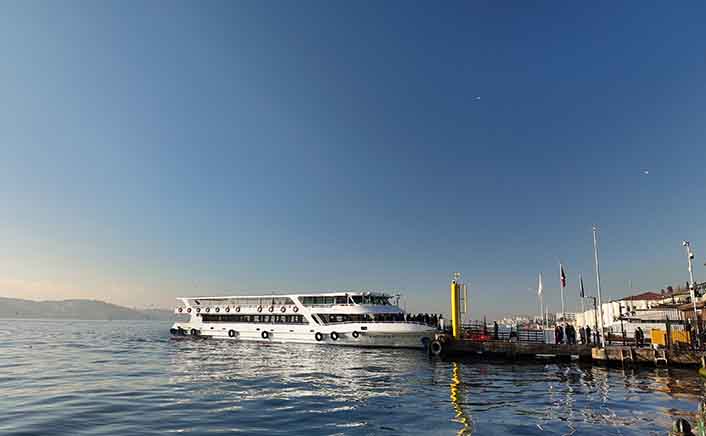
Diesel-powered vessels continue to dominate the Indian Water taxi Market, holding an estimated 68.4% market share. This dominance is largely due to the historical reliance on conventional diesel propulsion systems within the country's inland and coastal passenger marine ecosystem. Most operational ferries, passenger boats, and water taxis in regions like Mumbai, Goa, Kolkata, Kerala backwaters, Assam river routes, and various island transport corridors were originally designed with diesel marine engines. These diesel systems are preferred because of their lower acquisition costs, simpler maintenance, and established fuel supply chains. For many small private operators, the financial advantages of diesel propulsion remain appealing, as diesel-powered boats typically require a significantly lower upfront investment compared to electric or hybrid alternatives. This is particularly pertinent in India, where many operators manage fragmented regional fleets with limited access to green financing or advanced marine technology.
Furthermore, diesel engines offer longer operational endurance and greater flexibility across routes that may lack consistent charging or docking infrastructure. Long-distance coastal pathways and intercity ferry services in Maharashtra and Gujarat continue to lean heavily on diesel propulsion, as operators prioritize operational range and rapid turnaround times over emission reduction targets. The existing maintenance ecosystem is another advantage for diesel technology, with established marine mechanics, spare parts supply chains, and servicing infrastructures already present throughout India’s coastal and inland waterways.
Despite diesel’s prevailing position, the electric water taxi segment is rapidly emerging as the fastest-growing category, currently comprising nearly 14.7% of the market. This growth is driven by aggressive government-backed electrification initiatives and urban sustainability objectives. A significant influence in this shift has been the development of the Kochi Water Metro, which stands as India's flagship electric marine mobility project. This system has proven the commercial viability of electric water transportation through the integration of battery-powered ferries, smart ticketing solutions, multimodal connectivity, and dedicated charging infrastructure. The operating costs for battery-powered vessels have become increasingly favorable, especially in urban commuting settings where routes tend to be more predictable and short-distance. The cost of electricity per passenger kilometer is significantly lower than that of diesel fuel, particularly in the context of fluctuating marine fuel prices. Additionally, electric vessels contribute to lower noise pollution and vibration levels, enhancing passenger comfort and making them more appealing for premium tourism and urban mobility contexts—especially in environmentally sensitive areas like the Kerala backwaters, Dal Lake, Goa riverfronts, and various island tourism circuits, where sustainable mobility solutions are gaining traction.
Government support is further propelling this transition to electrification. India’s broader decarbonization agenda, along with initiatives like the Sagarmala Programme and policies from the Inland Waterways Authority of India, is catalyzing investment in charging terminals, floating jetties, and electric-compatible marine infrastructure. Several state governments are exploring programs for electric ferry procurement to enhance urban mobility. The electric segment is also benefiting from the growth of domestic electric vessel manufacturing, led by companies such as Navalt and Hooghly Cochin Shipyard Limited, which are localizing battery-integrated marine vessel production to reduce reliance on imports. Continuous improvements in battery technology are gradually extending operational ranges and reducing charging downtime, addressing some significant commercial obstacles for electric water taxis. However, challenges remain, such as the costs associated with battery replacement, the limited availability of fast-charging infrastructure, and the range limitations for longer routes.
Hybrid water taxis currently account for around 9.6% of the market and are increasingly recognized as a bridge between conventional diesel systems and fully electric solutions. This hybrid propulsion technology combines traditional diesel engines with electric battery systems, allowing operators to decrease fuel consumption while maintaining operational flexibility over longer distances. Such configurations are particularly appealing for routes lacking charging infrastructure or where longer operational endurance is necessary during peak passenger periods. The hybrid systems are gaining popularity in tourism-heavy areas, enabling operators to switch to electric-only operation in ecologically sensitive zones while relying on diesel backup for extended navigation. Fuel savings achieved through hybrid systems can significantly enhance profitability for operators facing rising marine fuel prices, especially in high-frequency commuter routes. Hybrid propulsion is also being considered for premium tourism offerings, providing a more sustainable travel experience in popular destinations.