Recycled Polyester Fiber: Fashion's Favorite Buzzword, Explained
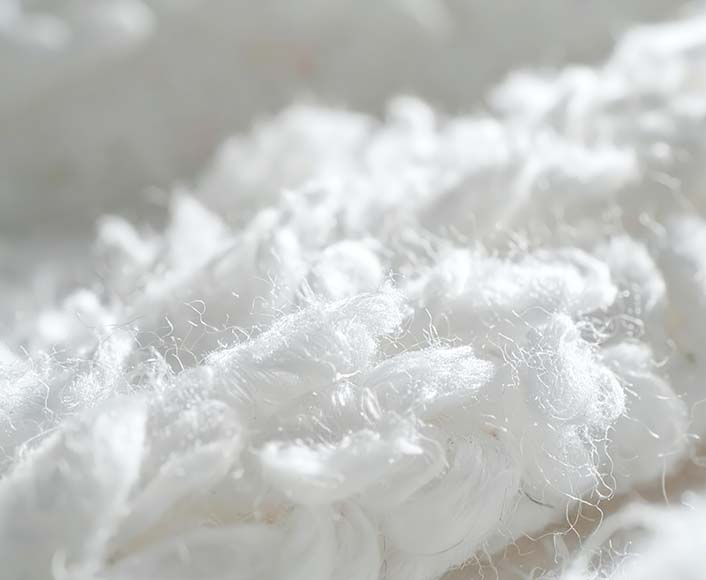
Recycled polyester appears on more clothing tags every year, usually next to a leaf icon and a sentence about saving the planet, one t-shirt at a time. It's become shorthand for sustainable fashion, which is odd because most people who use the phrase can't explain what it is, where it comes from, or how much of it is in circulation.
That gap between marketing language and material reality is worth closing because the answer says more about American manufacturing and healthcare demand than it does about fashion.
A closer look at the U.S. Polyester Staple Fiber Market shows why.
The buzzword: Recycled polyester is replacing virgin fiber industry-wide.
The reality: It's growing, but it's still a fraction of a market dominated by something far less Instagram-friendly — medium-denier fiber built for pillows, car seats, and surgical gowns.
Myth: Recycled Polyester Is Mostly a Clothing Story
Recycled polyester is marketed through apparel because that's where consumers see it on a swim trunk label, a fleece jacket, or a sneaker upper. But the fiber itself doesn't originate from fashion demand. It originates in recycling infrastructure: the plants that process post-consumer PET bottles into usable feedstock.
As investment in recycling infrastructure has expanded, the availability of recycled PET feedstock has grown accordingly, the primary supply-side driver of the increase in recycled polyester staple fiber production. Fashion brands didn't create this supply. They're consumers of it, just like everyone else. The direction of causality matters: recycling capacity came first; apparel marketing followed.
Reality: Most Polyester Staple Fiber Isn't Going Into Clothes at All
Here's the part that surprises people outside the industry. The largest segment of the market isn't apparel-grade fiber; it's medium-denier fiber, which accounts for well over half of the total. It's the fill-in pillows, cushions, comforters, and upholstered furniture. It's used in automotive interiors and insulation. It's used in the nonwoven fabric for hygiene products and medical disposables.
Recycled or virgin, this is where the bulk of American polyester fiber demand lies, driven by furniture replacement cycles, an aging population that needs more incontinence and medical disposable products, and a healthcare system that spends over $4.5 trillion a year to keep hospitals and clinics stocked. None of that shows up on a clothing hangtag, but it's a far bigger share of total fiber consumption than any apparel line.
So Why Does Recycled Feel Bigger Than It Is?
Visibility. A recycled-content hangtag is a marketing asset that brands put front and center because sustainability messaging sells. A roll of medium-denier fiber going into a hospital gown or a mattress topper doesn't get a hangtag. No one photographs it for a sustainability report.
That asymmetry creates a perception gap: recycled polyester feels ubiquitous because it's loud, while the much larger volume of standard- and technical-grade fiber remains invisible because it's functional rather than aspirational. It's the same dynamic that makes a single viral product feel like an industry trend when it's really just one visible slice of a much larger, quieter base.
What's Actually Driving the Underlying Market
Strip away the sustainability narrative, and the real growth drivers are structural rather than trend-based.
An aging U.S. population, with tens of millions of Americans now over 65, is driving demand for adult incontinence and medical nonwoven products, two of the fastest-growing categories in the fiber market. Consumer spending, which accounts for roughly two-thirds of U.S. GDP, keeps replacement demand steady across bedding, furniture, and home textiles, regardless of fashion cycles or seasonal trends. Federal infrastructure spending is quietly consuming coarse-denier fiber for geotextiles, drainage fabrics, and erosion control on transportation and utility projects — about as far from a clothing rack as this material gets.
Recycling investment sits alongside these drivers, not above them. It's expanding the supply of recycled feedstock, but it's expanding into a market whose center of gravity is healthcare, home goods, and infrastructure, not apparel. Understanding that the ordering of priorities changes how a business should interpret every "recycled" claim it encounters.
The Takeaway for Anyone Repeating the Buzzword
Recycled polyester isn't fake sustainability; the feedstock growth is real, and it's a genuine supply-chain shift worth tracking. But treating it as the defining story of this market misses where the volume actually is.
Businesses sourcing fiber, whether for apparel, home goods, or medical products, should view investment in recycling infrastructure as one input among several — not mistake a visible trend for the whole picture. The companies that understand both the loud story and the quiet one beneath it will source more effectively than those chasing the label alone.