U.S. Marshmallow Market: Seasonal Traditions Power Steady Expansion
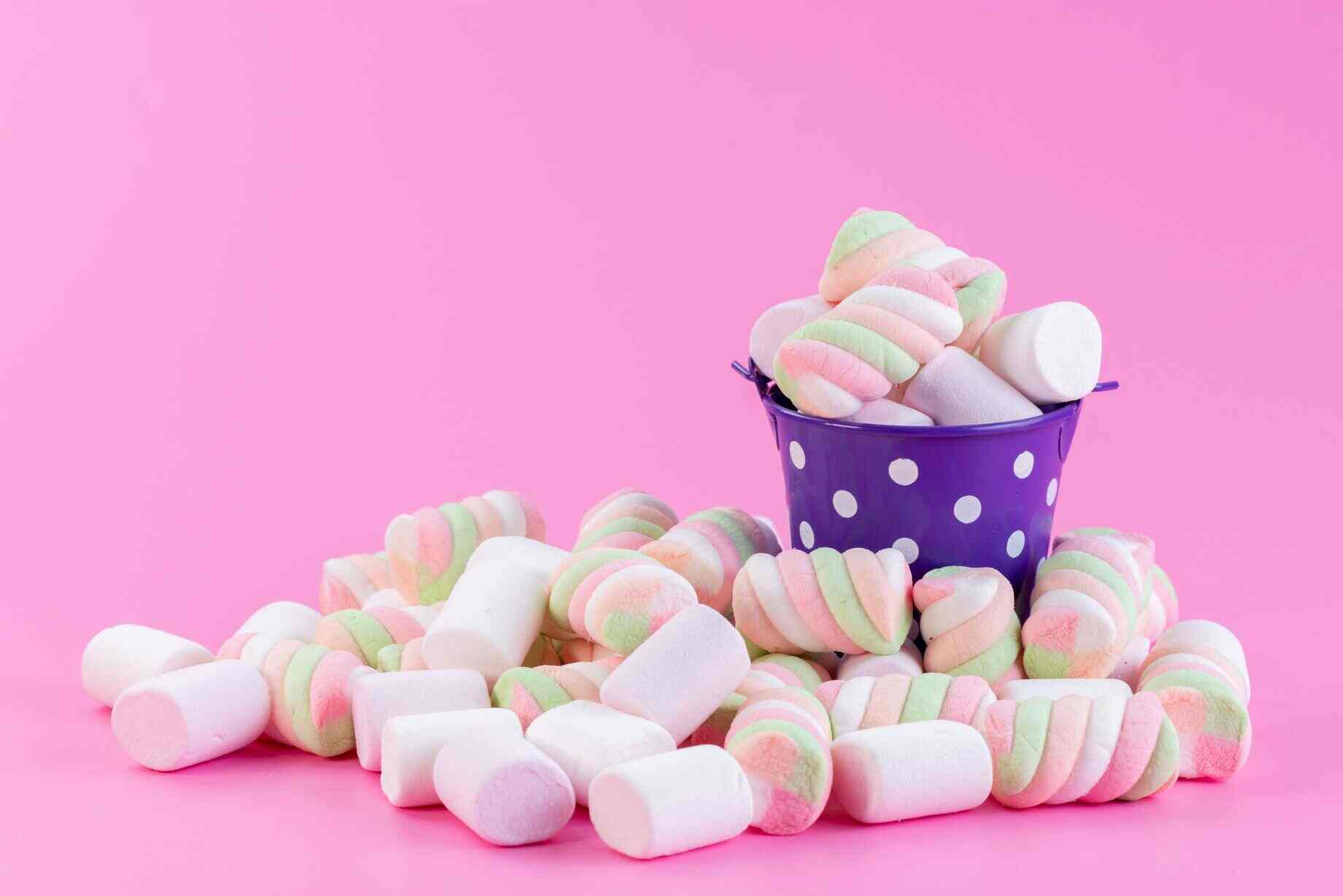
The U.S. Marshmallow Market recorded sales of 144 million 10-oz packets in 2024 and is projected to reach 263 million packets by 2032, growing at a CAGR of 8.0% over the forecast period. This growth reflects the enduring role of marshmallows in American food culture, where predictable seasonal demand, which motivates product innovation and broad product availability, has combined to support long-term volume expansion.
Holidays and Summer Traditions Anchor Demand
Seasonality remains the backbone of marshmallow consumption in the United States. Halloween, Thanksgiving, and Christmas consistently drive spikes in retail sales, as marshmallows are central to themed treats, home baking, and festive beverages. Demand for Thanksgiving is exceptionally resilient because of the cultural importance of sweet potato casserole, while winter consumption benefits from hot chocolate bars and gifting options.
Summer is the peak demand window, driven by camping, barbecue grilling, and s’mores traditions. From May through August, retailers report their highest throughput, supported by multipacks, s’mores kits, and promotional displays in supermarkets, convenience stores, and club outlets. These predictable peaks guide the manufacturer's production planning and inventory strategies, helping offset softer months during the off-season.
Seasonal demand is also essential to fueling innovation. Limited-edition shapes with different flavors and themed packaging, such as pumpkin ghosts for Halloween and peppermint or cocoa notes for winter, encourage impulse purchases and refresh consumer interest. Digital recipe content and social media expansion further amplify these cycles, turning cultural rituals into repeated buying moments.
Pricing Normalizes After Inflationary Peak
From 2020 to 2024, average prices rose from $1.50 to $2.60 per pack, driven by higher sugar costs, logistics disruptions, and elevated retail operating expenses. Strong demand for home baking and a preference for comfort snacks during this period enabled manufacturers to pass through costs with limited resistance.
Post-2025 pricing begins to normalize, trending downward to about $1.90 by 2032. Supply chain stabilization, automation, broader ingredient sourcing, and intense competition among national brands and private labels are key contributors. Retailers are increasingly emphasizing value through multipacks, promotions, and loyalty pricing to better serve price-sensitive households. The growth of private-label offerings, which provide competitive quality at lower prices, adds further pressure on shelf pricing.
Product Segmentation Balances Tradition and Innovation
Traditional marshmallows hold the largest share due to their sustained versatility across baking, snacking, and iconic seasonal uses. Mini marshmallows follow closely, favored for beverages, cereals, and toppings for their convenience and meltability. Flavored varieties are expanding, driven by novelty-seeking consumers and social media trends, while gourmet/premium marshmallows target gifting and specialty retail with artisanal textures and clean-label cues. Sugar-free/low-calorie and vegan/gelatin-free options address health-conscious and plant-based consumers, growing from a smaller base but widening the category’s reach. Filled or stuffed marshmallows (e.g., chocolate-filled) add indulgence and perform well in convenience and outdoor-use bundles.
Across these segments, manufacturers balance innovation with cost discipline while navigating ingredient volatility and leveraging seasonal demand to optimize promotions and inventory.
Outlook: Predictable Peaks, Broader Appeal
The U.S. marshmallow market’s outlook is defined by reliable seasonal peaks, expanding product diversity, and pricing discipline amid a competitive retail environment. With cultural traditions firmly in place and innovation broadening usage occasions, the category is positioned to sustain volume growth through 2032.