U.S. Dairy Beverages Market: How an Everyday Category Is Being Reinvented
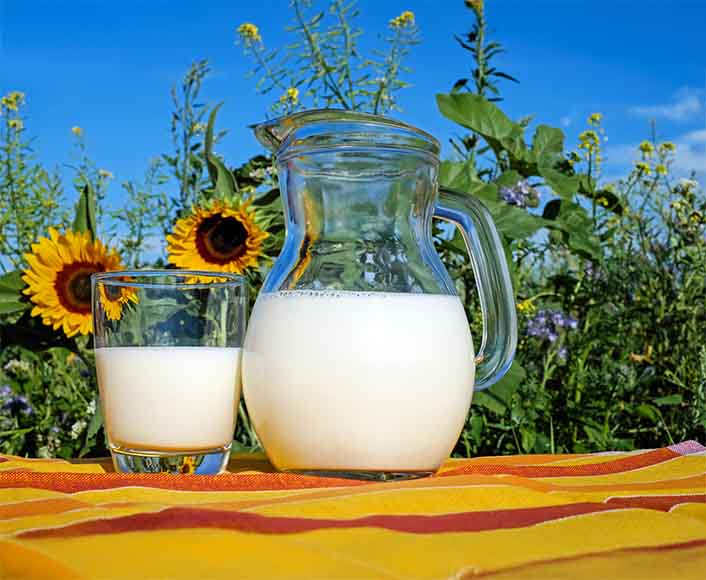
The U.S. Dairy Beverages Market has quietly evolved from a simple grocery staple into a dynamic, lifestyle-driven sector fueled by health consciousness, convenience, and innovation. What was once essentially plain fluid milk has transformed into a vibrant array of functional drinks, flavored varieties, and premium options that align with modern consumption trends. In 2024, the market reached a consumption volume of 85,494 kilo tons and is poised to grow to 118,487 kilo tons by 2030, at a robust CAGR of 5.3 percent. This rapid expansion underscores the growing importance of dairy beverages in a highly competitive, ever-changing beverage landscape.
Multiple forces are fueling this transformation. Today’s consumers demand more than just basic nutrition from dairy drinks. Their hectic schedules, mobile lifestyles, and personalized wellness aspirations are reshaping what they seek, compelling brands to innovate beyond traditional options.
• Key demand drivers shaping the market include:
• Rising preference for ready-to-drink and single-serve dairy beverages
• Growing interest in fortified nutrition, including protein, calcium, probiotics, and vitamins
• Increased focus on portion control, portability, and convenience
• Demand for indulgent flavors with reduced sugar and fat content
Single-serve packaging has gained remarkable influence. Sleek bottles and cartons enhance convenience, reduce waste, and fit seamlessly into busy lifestyles. Millennials and Gen Z are leading this movement, opting for functional beverages between meals, after workouts, or during commutes.
Premiumization is increasingly shaping the dairy landscape. Organic, grass-fed, and clean-label beverages are capturing more shelf space as consumers seek transparency, top quality, and ethical sourcing. Meanwhile, fortified drinks that support immunity, gut health, and lasting energy are experiencing rapid growth across supermarkets and online platforms. Innovative hybrid products combining dairy with plant-based ingredients are also gaining popularity, appealing to flexitarian consumers who prioritize nutritional balance over strict dietary labels.
Together, these trends are shifting dairy beverages from being category-specific staples to all-day nutrition options.
Brands, Segments, and What Will Drive Growth Through 2030
Brand trust plays a crucial role in shaping purchase decisions in the U.S. Dairy Beverages Market. While well-known brands continue to benefit from familiarity, innovative newcomers are capturing attention by tapping into health and wellness trends, making the market more dynamic and exciting.
Dairy Farmers of America stands out in the market, with 31.5 percent top-of-mind awareness and 61 percent aided recall. Its dominance is rooted in classic milk and cultured beverages, supported by a cooperative model that consistently emphasizes freshness and dependability.
Health-focused positioning has propelled Danone North America to achieve remarkable visibility with beloved brands like Horizon Organic, Activia, and Oikos. Boasting an aided recall rate of 51.4 percent, the company continues to engage consumers with its unwavering focus on probiotics and organic dairy. Meanwhile, Nestlé USA stays fiercely competitive by offering family-friendly, nutrition-driven brands such as Nesquik and Carnation Breakfast Essentials. The Coca-Cola Company has also made a splash by premiumizing dairy with Fairlife, highlighting high-protein, ultra-filtered milk formats that appeal to health-conscious shoppers.
Regional players like Prairie Farms Dairy Inc. and HP Hood LLC are thriving by tapping into local sourcing and deep-rooted consumer relationships. Today’s brand recall trends show that consumers are increasingly drawn to products that highlight health benefits, offer convenience, and emphasize trusted origins.
From a product segmentation perspective, traditional milk continues to lead the market with an impressive 72.98 percent share, reaffirming its status as a household staple. Yet, the segment's growth is now increasingly fueled by:
• Lactose-free milk
• High-protein and ultra-filtered variants
• Extended shelf-life formulations
Flavored milk captivates 6.09 percent of the market and continues to resonate with younger consumers. Yogurt drinks hold an 8.11 percent share, buoyed by growing demand for probiotics and drinkable nutrition. Smaller but steady segments, such as buttermilk at 2.09 percent and kefir at 1.98 percent, are gaining momentum, with kefir especially appealing to health-conscious adults. Meanwhile, lassi and other cultured beverages, at 1.10 percent, are gradually expanding as global flavors become more popular.
Functional and fortified dairy drinks command a 6.56 percent market share and are among the fastest-growing segments. These innovative products center on immunity, energy, and active lifestyles, delivering higher profit margins and distinct differentiation. Despite the rise of plant-based alternatives challenging traditional milk volumes, value-added dairy beverages play a crucial role in stabilizing the category and fostering long-term growth.
As we look toward 2030, the U.S. Dairy Beverages Market is transforming through innovation rather than substitution. Brands that seamlessly blend convenience, nutrition, and trust while adapting to shifting consumer habits are poised to lead the exciting next chapter of dairy consumption in America.