Europe’s Residential EV Charger Market: Why Now Is the Moment for Action
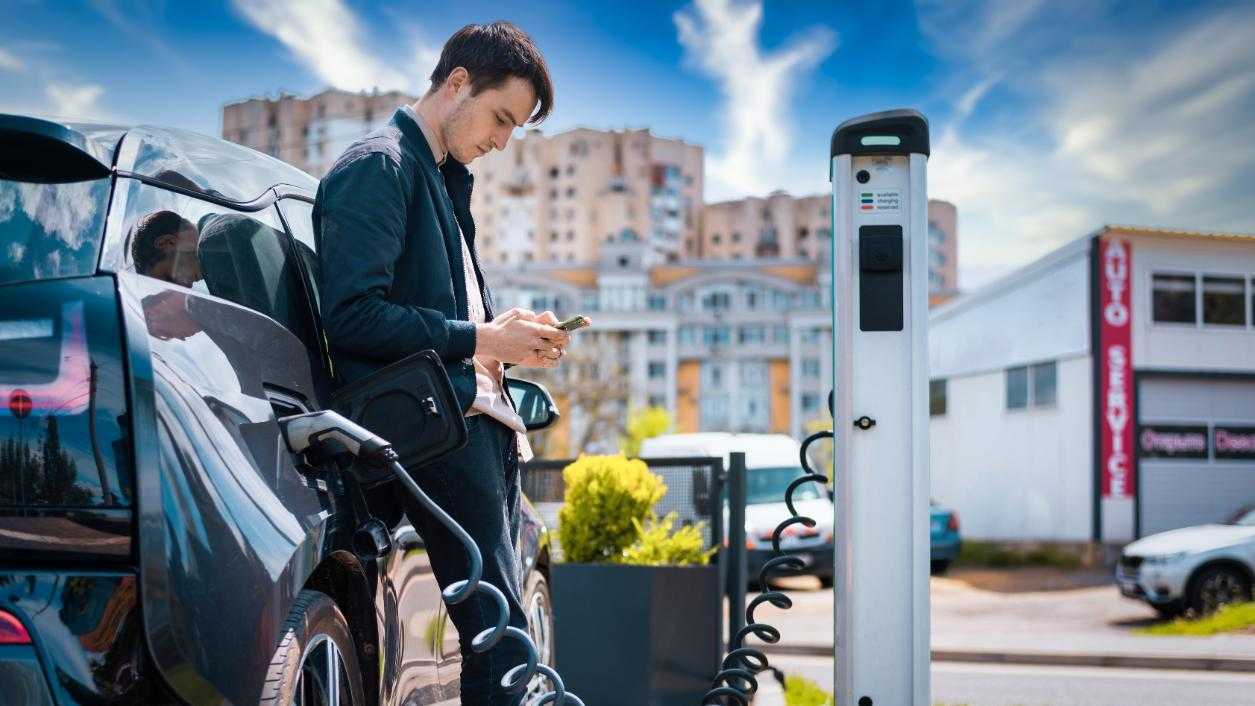
The shift toward electric mobility across Europe is not only changing how Europeans drive but also transforming where and how they charge their cars. As more households adopt electric vehicles (EVs), the demand for convenient, reliable home charging solutions is increasing rapidly. This change is significant for residential EV chargers, which offer convenience, reduce costs, and provide peace of mind.
Recent data shows this shift: in 2023 alone, Europe installed 4,100 residential EV chargers, and this number is expected to rise to 14,190 units by 2030, growing at a strong CAGR of 17.0%.
Driven by increasing EV registrations, supportive government policies, and technological advancements, this market is rapidly evolving and offers a strategic opportunity for manufacturers, installers, and investors alike.
Market Size and Growth: Key Drivers of Demand
- The growth of the residential charger market is connected to the increasing adoption of EVs in Europe. In 2023 alone, 2.4 million new electric vehicles were registered, a notable increase from 2.0 million in 2022, accounting for 22.7% of new EV registrations.
- This rise in EV ownership increases demand for home charging options, especially among consumers who prioritize convenience, cost savings, and more flexibility than public charging stations provide.
- At the same time, ongoing advances in manufacturing, increasing competition, and favorable government policies are expected to reduce hardware prices, making residential chargers more affordable.
These combined factors: consumer demand, regulatory support, and favorable economics are driving the residential EV charger market toward significant growth by 2030.
Breaking Down the Market: Charger Types and Why Medium Power Leads
Not all residential EV chargers are identical. The market is divided by power and capacity, with each segment serving different user needs.
-
Medium-power chargers (3.7 kW to 11 kW) dominate 50% of the market share, making them the most popular choice. They provide a good balance of charging speed, cost, and practicality, making them ideal for overnight charging or daily commuting.
- Low-power chargers (up to 3.7 kW) account for about 35% of the market. Their slower charging speed isn’t an issue for many users, especially those who can't leave their vehicles charging overnight or have EVs with small batteries. The lower installation and hardware costs make them appealing to budget-conscious buyers.
- High-power chargers (above 11 kW) account for the remaining 15%. Although they are more expensive and require a stronger grid, they are becoming increasingly popular among households with multiple EVs or higher daily driving needs, especially where fast charging is necessary.
This segmentation shows a clear consumer trend: many homeowners focus on balancing speed and cost, which supports the prominence of medium-power chargers.
Regional Insights: Countries Where Demand is Concentrated
The adoption of residential EV chargers varies significantly across Europe, primarily influenced by national vehicle adoption rates, government incentives, infrastructure readiness, and consumer behavior.

The mature automotive market, with widespread EV adoption and generous subsidies for charger installations, has positioned Germany at the forefront with a 23% market share. France follows with an 18% share, driven by strong policy support for reducing emissions and increasing awareness of the benefits of home charging. The United Kingdom holds a 15% share, reflecting rapid growth supported by government grants and affordable electricity that encourage overnight charging. The Netherlands (10%), Norway (8%), and Sweden (6%) are also key players, driven by advanced electricity infrastructure, compact urban areas, and environmentally conscious consumers. Emerging but expanding markets such as Italy (7%), Spain (5%), and Belgium (3%) are gradually increasing, driven by rising EV adoption, improved home-charging infrastructure, and growing government support.
Trends Shaping the Market
Several broader shifts are influencing how the residential EV charger market is evolving:
- Cost dynamics easing access: After a price surge from 2020 to 2022 due to high demand and new charger technologies, prices stabilized in 2023 to 2025 as supply chains adapted and competition intensified. From 2026 to 2030, average prices are expected to decline further, thanks to economies of scale, efficiency gains, and standardization.
- Smart charging and energy-efficient homes: Smart chargers with features such as scheduled charging, remote monitoring, off-peak pricing optimization, and renewable energy integration are becoming increasingly common. These advancements not only enhance user experience but also support grid stability and efficient energy use.
- Growing environmental and economic awareness among consumers: 81% of EV owners prefer home charging, citing convenience, safety (lower risk of vandalism or theft), cost savings, and environmental benefits.
- Renewable energy and future energy-grid integrations: Increasingly, residential chargers are being paired with rooftop solar and home-energy management systems — enabling energy-efficient charging, lower operating costs, and even vehicle-to-grid (V2G) potential.
Opportunities for Brands and Investors
With robust growth and a favorable policy environment, the European residential EV charger market offers several promising opportunities.
- Targeted growth in high-potential countries: Manufacturers and distributors should focus on markets such as Germany, France, the UK, the Netherlands, Norway, and Sweden, where demand, infrastructure, and consumer readiness are high.
- Focusing on medium-power chargers is logical, as they hold a 50% market share.
- Innovative, environmentally friendly energy products: Chargers equipped with smart features and compatibility with renewable energy are becoming more popular among consumers. Investing in these technologies can lead to higher adoption.
- Price-sensitive packages for emerging markets: For new adopters (such as Italy, Spain, and Belgium), providing lower-cost, easy-to-install entry-level chargers might boost market penetration.
- Integrated energy solutions: Combining home charging with solar, energy storage, or smart home systems can attract eco-conscious buyers and open new revenue streams through services.
This broad regional variation underscores the need for tailored, local strategies for manufacturers and service providers seeking to expand across Europe.
Conclusion
The residential EV charger market in Europe is at a pivotal point. As EV adoption speeds up, policies support growth, and manufacturing reaches economies of scale, charging at home is quickly becoming the standard rather than the exception. For stakeholders ranging from equipment manufacturers to installers, energy service providers to investors, this is a prime opportunity to take action. By focusing on the right charger segments, targeting high-potential regions, and adopting smart, green energy-aligned innovations, businesses can ride the wave of electrification and help shape the future of European mobility.
They are costlier, need stronger electrical infrastructure, and most users don’t require high-speed home charging.