Pouring Insights: The Booming Landscape of the U.S. Alcohol Market
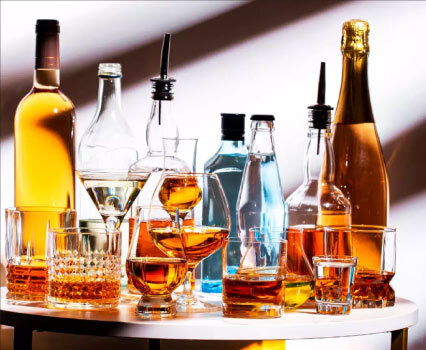
The alcohol market in the US is witnessing a wave of growth, and this is not just about raising a glass. According to the latest Mark & Spark Solutions report, the US alcohol market was valued at around USD 530 billion in 2023 and is forecasted to reach USD 806 billion by 2030, growing at a CAGR of 6.9% over the period. This remarkable forecasted growth reflects a broader trend that is reshaping how Americans drink, what drinks they prefer, and where they come from.
From Mass to Craft: The Premiumization Trend
One of the most prominent trends emerging in the US alcohol market is a gradual shift towards more artisanal and locally produced drinks and small-batch products. Millennials and Gen Z now choose their liquor based on authenticity and craftsmanship. This makes them increasingly inclined towards products that are not mass-produced and are special in a way that makes them more interesting.
Now, microbreweries, boutique wineries, and craft distilleries are no longer considered the preferences of a niche customer base; instead, they have become central to the market’s evolution, especially in states like Oregon, California, and Colorado. These products emphasize the local sourcing of their ingredients, use organic ingredients, and employ innovative blending and aging techniques. By doing so, these producers are redefining alcohol in the minds of their consumers.
Consumption Patterns: Volume, Variety, and Velocity
The report highlights how the growth of alcohol consumption has been consistent across categories. Total consumption of alcohol in the US is expected to rise from 32.91 million liters to 52.55 million liters, which reflects a strong rebound from the pandemic-era volume. Looking ahead, consumption is expected to increase rapidly from 61.10 million liters in 2026 to 87.70 million liters by 2030, at a CAGR of 10.8%. Here’s how the categories are divided:
• Beer is the largest in terms of volume, but it is showing a slower growth
• Spirits, including whiskey, gin, and tequila, are experiencing a significant shift in consumption, primarily driven by young drinkers who appreciate premium, craft options.
• Ready-to-drink (RTD) cocktails and hard seltzers are among the fastest-growing segments, particularly in urban areas where convenience, portability, and a variety of flavors appeal to customers seeking novelty and health-conscious options.
• Cider is also gaining popularity among a niche customer base, particularly with its fruit-based and gluten-free variants.
Packaging Matters: The Shift in How Drinks Are Served
Packaging is also evolving rapidly in response to shifts in consumer preferences for drinks. The report indicates that glass bottles still dominate the alcohol packaging market, accounting for nearly half of the total volume, particularly in the packaging of spirits and wine. Aluminum cans are also gaining fast ground, with them being more preferred for beers, hard seltzers, and RTD cocktails. The reason for choosing aluminum cans is apparent: portability, sustainability, and consumer preference. Meanwhile, PET bottles serve a niche segment of the market, and formats such as kegs, pouches, and cartons are also gaining preference for certain types of drinks, primarily driven by environmentally conscious customers and on-trade channels.
Investment & Innovation: More Than Just Making More
Behind this growth, one of the primary reasons is also the significant amount of capital investment between 2020 and 2025. Over the past five years, companies have invested heavily in enhancing production automation, modernizing processes, and upgrading packaging lines. However, looking forward, a new theme dominates the CAPEX strategies.
• Sustainability: Breweries and distilleries are now investing in more sustainable practices for production, such as waste heat recovery, water reuse, the use of renewable energy systems, and lighter, more recyclable packaging forms.
• Flexibility: With the rise of RTD drinks, many alcohol facilities are now being upgraded for flexible filling and multi-format packaging.
• Digital and Automation: Modern production setups and the use of digital control systems enable brands to launch limited-edition or small-batch products faster.
• Logistics: With the boom in e-commerce, direct delivery to customers is also getting attention.
Who’s leading the Pack?
Some of the major players in the US alcohol market are making bold moves
| Anheuser-Busch InBev | Molson Coors Beverage Co | Constellation Brands |
| Diageo | Pernod Ricard | Bacardi |
These players are navigating the alcohol production market by investing in capacity, innovation, and sustainability.
The Road Ahead: Trends to Watch
The report also identifies several key trends that can help determine the US alcohol market through 2030.
• Health-Conscious Drinking: More demand for low-calorie, low-alcohol content, and wellness options in drinks.
• Sustainability: Sustainability has become a key differentiator, with a preference for more eco-friendly packaging and the use of renewable energy in production.
• Flavor and Format Experimentation: Beverage brands will be pushing towards innovation, whether through different flavors, limited-edition spirits, or novel packaging.
• Local Storytelling: Producers of craft beers or spirits will deepen their connection with their buyers by emphasizing authenticity and craftsmanship.
Why This Matters?
The US alcohol industry has evolved from being primarily focused on volume to now shifting more towards value, variety, and the overall vision of the drink being offered. Consumers are now more conscious of what’s in their glass, and Gen Z and millennials are shifting more towards drinking alcohol, which is special. And for businesses, whether they be small breweries or large manufacturers, this report conveys a single message: investing in the Premiumization of their drinks, creating more flexible production and practices that are not only beneficial to the business but also good for the environment.