The Plant Fiber Nobody's Heard of That's Replacing Plastic Packaging
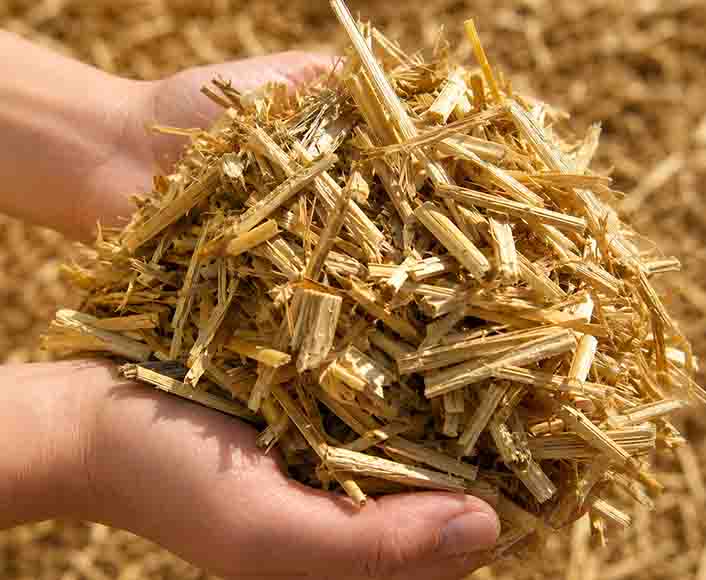
Miscanthus is a tall, fast-growing grass largely unknown to most, cultivated mainly in Germany, France, and the UK for biomass energy. It isn't glamorous and doesn't appear in sustainability marketing. However, within the European Miscanthus-Based Packaging Market , it's quietly gaining interest as one of the most intriguing materials in European packaging, largely overlooked so far.
It's important to understand this, as the reasons behind its growing popularity reflect regulation and supply-chain economics more than anything about the plant itself.
Why Did a Biomass Crop Suddenly Become a Packaging Material?
In brief, Europe's regulators increased the cost of plastic more rapidly than they low ered the prices of fiber alternatives. The EU's Packaging and Packaging Waste Regulation, together with national policies such as Spain's plastic packaging tax and the UK's tax on low-recycled-content packaging, has steadily increased the costs associated with traditional plastic use.
Regulatory pressures have created opportunities for fiber alternatives, but wood pulp, the standard choice, faces volatility driven by energy prices and forestry limits. Miscanthus then filled this gap, offering higher biomass yields per hectare than most traditional pulp crops, needing low fertilizer input, and providing carbon sequestration during growth. This is especially important to packaging buyers, who now must disclose lifecycle emissions data before selecting a supplier.
Who's Actually Buying This?
Some well-known, non-experimental startups are leading the way. Carrefour, Aldi, and Tesco have adopted plastic-free packaging for their private-label products. Amazon and Zalando are moving toward fiber-based protective packaging to reduce the use of expanded polystyrene. Quick-service restaurants are replacing plastic takeaway containers with compostable fiber trays and lids.
None of these companies is purchasing miscanthus packaging just because it's fashionable. Instead, they are driven by retailer sustainability goals and regulatory requirements, which have turned "compostable fiber" into a necessary checkbox. Miscanthus effectively satisfies this requirement.
What's the Catch?
The primary concern is cost. Currently, Miscanthus-based packaging costs 15–25% more than conventional molded pulp, depending on the fiber blend. Recycled paper pulp remains the dominant material because collection and processing systems are well established across Europe, whereas Miscanthus processing infrastructure has not yet reached the same scale.
There is also a logistical challenge. Biomass cultivation, pulping, and packaging are often carried out in separate locations, increasing transport costs and complexity, unlike a more integrated wood-pulp supply chain. Additionally, maintaining fiber uniformity and managing moisture levels introduce extra operational hurdles for manufacturers who rely on standardized wood-pulp inputs.
What's Fixing the Cost Problem?
Dry molded fiber technology offers a more efficient alternative to conventional molded pulp production, which typically requires significant water and energy. By adopting dry processing, both water and energy consumption are reduced. This efficiency improvement helps reduce costs, making miscanthus more competitive with cheaper options.
Swedish company Pulpac has been advancing this method by collaborating with equipment makers and packaging producers, aiming to enable the widespread use of dry-processed fiber trays and lids in foodservice. It's important to watch this development closely, as the technology, rather than the crop itself, will likely influence how quickly miscanthus-based packaging can expand beyond its current niche.
Why Does the Growing Location Matter?
Supply chain proximity is increasingly a key selling point. Most of Europe's commercial miscanthus cultivation is in Germany, France, and the UK. These countries' regenerative agriculture programs promote the expansion of this acreage, as the crop enhances soil health with minimal chemical use.
This regional focus enables packaging converters to develop local supply chains, resulting in reduced transport distances, lower emissions, and improved material traceability. This is becoming increasingly important to brands that must demonstrate sustainability claims rather than merely make statements.
What This Means for Packaging Buyers
The European Miscanthus-Based Packaging Market won't replace recycled paper pulp soon due to real cost and infrastructure challenges, not just marketing claims. However, it indicates the future of fiber packaging: selecting materials based on tangible carbon and land-use benefits, rather than solely on recyclability labels.
For FMCG and foodservice buyers already subject to retailer lifecycle-assessment requirements, miscanthus isn't just a niche interest but an early opportunity within a supply chain expected to become more significant as plastic regulations tighten. Firms focusing on dry molded fiber technology and regional biomass sourcing will now gain a competitive edge as the cost difference continues to decrease.