South Africa Mining Switchgear Market: Powering Safer and More Efficient Mining Operations
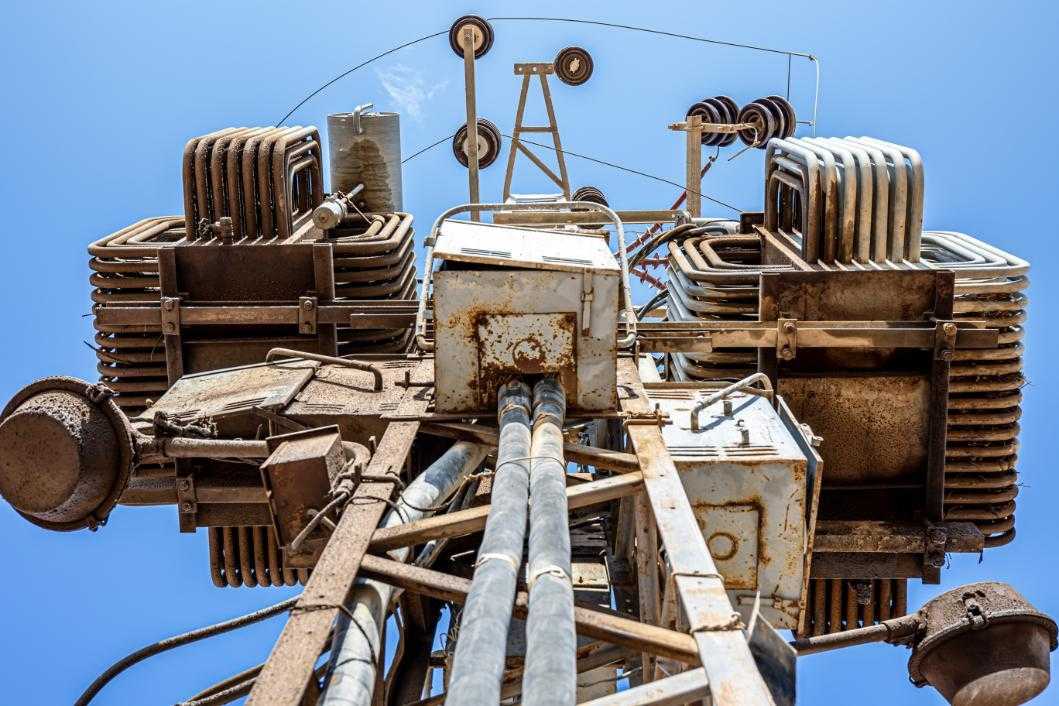
The South African Mining Switchgear Market is essential to supporting one of the country's key economic sectors. Mining operations depend heavily on continuous, properly regulated electrical power to operate equipment like hoists, crushers, conveyors, ventilation systems, and processing plants. These environments are often exposed to dust, moisture, vibration, and fluctuating power demands. In this context, mining-grade switchgear is more than just an electrical component; it is a vital safety and operational requirement.
In 2025, the South African mining switchgear market was valued at USD 27.94 million and is projected to reach USD 44.25 million by 2030, growing at a CAGR of 9.6% during that period. This growth reflects ongoing modernization of mining infrastructure, including increased electrification of equipment and a greater focus on operational safety and reliability across the mining value chain.
Why Switchgear Demand Is Rising in South African Mines
South Africa’s mining industry covers a wide variety of commodities, including gold, platinum group metals (PGMs), coal, diamonds, base metals, and industrial minerals. As mines go deeper underground and upgrade their processing systems, their electrical networks are becoming more complex and require more power. Modern mining operations rely on stable power distribution to support automation, digital monitoring, and energy-efficient machinery.
Traditional electrical systems often struggle to meet these demands. Newer switchgear solutions are needed to handle higher loads, control voltage fluctuations, quickly isolate faults, and minimize downtime caused by electrical failures. Switchgear with advanced protection relays, sensors, and communication features also supports predictive maintenance. This enhances overall worker safety, which is a critical priority in both underground and surface mining environments.
At the same time, increasingly strict safety regulations and operational standards are pushing mining companies to replace aging electrical infrastructure that no longer meets modern requirements. These factors, together, support steady demand for reliable, high-performance mining switchgear across South Africa.
Market Structure: Product Mix Reflects Mining Realities
The South African mining switchgear market is divided into various product types designed to meet different operational needs. Air-Insulated Switchgear (AIS) leads the market with a 36.64% share in 2025, making it the most commonly used solution in mining environments. AIS is favored for its durable design, affordability, and reliability in harsh conditions, including dust, humidity, and temperature changes. Its relatively straightforward installation and maintenance are especially valuable in remote or deep mining sites where reducing downtime is crucial.
The assembly cost for Medium-Voltage switchgear makes up 22.29% of the market. This share highlights their importance in powering critical processes, including drilling, hoisting, crushing, and ventilation. These systems are essential for power distribution in medium-scale and deep-level mines.
Low-voltage switchgear assemblies make up 15.53% and support lighting, conveyors, control systems, and auxiliary equipment in nearly all mining operations. Their widespread use guarantees a steady baseline demand.
Gas-Insulated Switchgear (GIS) accounts for 11.37% of the market; these switchgears are valued for their compact design, superior insulation, and high reliability. GIS is especially suitable for space-limited or hazardous areas, although higher costs restrict wider adoption. Hybrid or compact switchgear makes up 8.64% and provides a transition option for mines upgrading from traditional systems. High-Voltage switchgear, at 5.54%, serves specialized large-scale operations with significant transmission needs.
Voltage Ratings and End-Use Applications
From a voltage perspective, mining switchgear includes low-voltage (<1 kV), medium-voltage (1 kV–36 kV), and high-voltage (>36 kV) systems, each supporting different layers of mining operations. Medium-voltage systems remain especially important, balancing power capacity with safety in both underground and surface mining.
End-use demand is spread across gold mines, PGM operations, coal mines, diamond mining, base metals, and industrial minerals. Each sector has unique power and safety needs, but all rely on dependable switchgear to keep operations running smoothly and to protect workers and assets.
Challenges: Power Instability and Infrastructure Constraints
The market faces significant shifts despite strong growth drivers. Frequent power outages in South Africa disrupt mining operations and elevate operational risks. An unstable power supply can cause production halts, equipment damage, and safety issues. This has led mining companies to depend more on backup generators and temporary power solutions.
This dependence can delay investments in grid-connected or digitally integrated switchgear systems, thereby slowing the adoption of advanced technologies. Additionally, high installation and maintenance costs, harsh operating environments, and slower technology upgrades in older mines continue to restrict the broader deployment of next-generation switchgear solutions.
Key Trends Shaping the Market
Numerous trends shape the mining switchgear market in South Africa. The push to electrify mining equipment, along with automation and intelligent monitoring, has boosted demand for switchgear with digital and communication capabilities. There is also increasing interest in compact, gas-insulated, and hybrid switchgear, especially in underground mines where space is scarce.
At the same time, mining companies are focusing more on arc resistance, durability, and minimizing downtime, aligning electrical investments with the long-term lifespan of assets and operational stability.
Opportunities in a Modernizing Mining Sector
As South African mines continue to modernize, several opportunities are emerging for switchgear manufacturers and solution providers who can deliver reliable, rugged, and future-ready systems. Demand is highest for products that balance safety, performance, and ease of maintenance while supporting automation and energy efficiency. Companies that align their offerings with mining expansion projects, aging infrastructure retrofits, and stricter safety standards are well-positioned to benefit from the market’s strong growth trajectory through 2030.